


Listen to the article
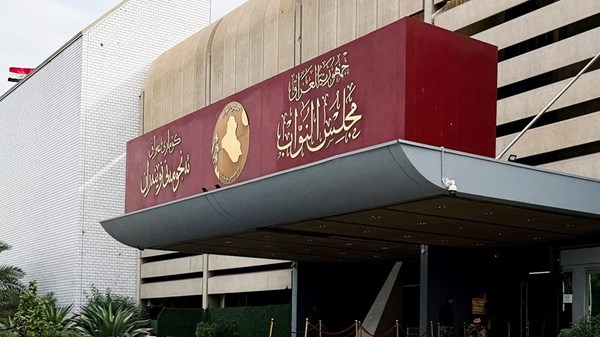
The Iraqi Parliament is scheduled to hold a special session on Tuesday to elect a new president for the country for the next four years. The Iraqi presidential election will see 19 candidates competing for the position, all of whom have received approval from both the Iraqi Parliament and the Federal Supreme Court after meeting the constitutional requirements for candidacy.
According to reports, the race is effectively narrowed down to two main contenders among all the candidates. The competition focuses on Fuad Hussein, the nominee of the Kurdistan Democratic Party, and Nizar Amedi, who represents the Patriotic Union of Kurdistan.
Understanding the Iraqi Presidential Election Process
The presidential election in Iraq follows specific constitutional procedures that require candidates to meet strict eligibility criteria. All 19 candidates underwent a vetting process by parliamentary committees and received clearance from the country’s highest judicial authority. This thorough screening ensures that nominees comply with constitutional standards regarding age, citizenship, and other legal requirements.
However, the political reality often sees the actual contest concentrated among fewer candidates who have secured backing from major parliamentary blocs. The current scenario demonstrates this pattern, with two Kurdish party nominees emerging as the frontrunners in what is traditionally a position allocated to Kurdish political forces under Iraq’s power-sharing system.
The Main Contenders and Their Political Backing
Fuad Hussein enters the race with the support of the Kurdistan Democratic Party, one of the two dominant political forces in the Kurdistan Region of Iraq. Hussein brings significant political experience to his candidacy, having served in various governmental positions. Meanwhile, Nizar Amedi represents the Patriotic Union of Kurdistan, the other major Kurdish party, indicating that the competition remains within Kurdish political circles.
The outcome of the Iraqi presidential election will likely depend on coalition-building efforts and negotiations among parliamentary blocs. Both major Kurdish parties typically hold substantial influence in these proceedings, though their success requires support from Arab and other minority blocs in the legislature.
Implications for Iraq’s Political Landscape
The selection of a new president carries significant implications for Iraq’s political stability over the next four years. While the presidential role is largely ceremonial compared to the prime minister’s executive powers, the position remains important for maintaining balance among Iraq’s diverse ethnic and sectarian communities. Additionally, the president plays a crucial role in facilitating dialogue between different political factions.
The parliamentary session represents a key milestone in Iraq’s ongoing efforts to maintain governmental continuity. The president-elect will serve as a unifying figure and will be responsible for designating the prime minister-nominee, making this selection an important step in the broader governmental formation process.
Power-Sharing Traditions in Iraqi Politics
Iraq’s post-2003 political system has operated under an informal power-sharing arrangement among its major communities. This convention typically reserves the presidency for a Kurdish politician, the prime minister position for a Shia Arab, and the parliamentary speaker role for a Sunni Arab. In contrast to formal constitutional requirements, these arrangements reflect political agreements aimed at ensuring representation.
The success of Tuesday’s session will depend on whether parliamentary blocs can achieve the necessary quorum and voting threshold. Iraqi election law requires a two-thirds majority in the first round, though subsequent rounds may proceed with different requirements if initial attempts prove unsuccessful. Parliament will convene to conduct the voting process, with results expected to emerge following the completion of ballot counting.