





Listen to the article
As temperatures drop and cold season approaches, many people turn to vitamin C supplements hoping to boost their immune systems and ward off illness. However, recent scientific evidence suggests that vitamin C may not be the miracle solution for preventing or treating the common cold that many have long believed it to be. According to health experts, the widespread faith in vitamin supplements during winter months may be based more on hope than on solid scientific research.
The claims linking vitamin C to cold prevention trace back to Nobel Prize-winning chemist Linus Pauling, but experts now indicate that his conclusions were based on unreliable evidence. Dr. Laila Hanbek, Chief Executive of the Independent Pharmacies Association, explained that much of the evidence regarding daily vitamins for combating colds remains “inconclusive.” She noted that while some research shows no connection between supplement intake and shortened cold duration, other studies suggest these supplements may play a role in symptom management.
How Vitamin C Affects the Immune System
Vitamin C functions by repairing tissues throughout the body and supporting the immune system through protection against free radical damage while enhancing natural defenses. The vitamin has gained popularity as a cold remedy, with some studies indicating it may reduce illness duration. A 2016 scientific review found that taking vitamin C in doses exceeding 0.2 grams daily could potentially reduce both the severity and duration of the common cold.
However, the evidence supporting these claims remains limited according to multiple health professionals. Professor Paul Hunter, an epidemiologist at the University of East Anglia, stated plainly that vitamin C has no value in treating common colds. This contradicts decades of popular belief and marketing claims surrounding vitamin C supplements for immune support.
Limited Evidence for Popular Supplements
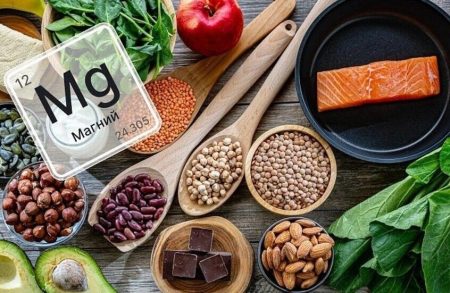
Despite the uncertain benefits of vitamin C supplementation for cold prevention, maintaining a healthy immune system through vitamin-rich foods remains an effective disease prevention strategy. Dr. Hanbek recommends obtaining vitamin D, vitamin C, and zinc regularly through diet or supplements, emphasizing that a balanced diet with adequate levels of these nutrients plays an important role in strengthening the immune system.
Additionally, research into zinc supplements has yielded similarly mixed results. Researchers in a 2024 scientific review concluded that zinc does not prevent colds but may reduce illness duration. Nevertheless, most people can meet their zinc requirements through diet alone without requiring supplementation.
Meanwhile, vitamin D shows more promise than other supplements, particularly for maintaining immune system health. The sunshine vitamin may help prevent respiratory infections, though this benefit appears limited to individuals with vitamin D deficiency, according to a 2021 scientific review. This suggests that supplementation strategies should be tailored to individual nutritional needs rather than applied universally.
Balanced Approach to Cold Prevention
In contrast to relying solely on supplements, health experts increasingly recommend a comprehensive approach to immune support. This includes maintaining a nutrient-rich diet, ensuring adequate sleep, managing stress levels, and addressing specific nutritional deficiencies identified through medical testing. The focus has shifted from viewing vitamin C as a standalone cure to understanding it as one component of overall health maintenance.
The scientific community continues to evaluate the effectiveness of various supplements for cold prevention and treatment. As research evolves, recommendations may change based on emerging evidence regarding optimal dosages, timing, and which population groups benefit most from supplementation. Until more conclusive studies are completed, experts suggest that individuals focus on obtaining nutrients through balanced diets rather than relying heavily on supplements to prevent common illnesses.