


Listen to the article
A severe winter storm that blanketed dozens of U.S. states with heavy snow over the weekend has resulted in at least 28 deaths linked to harsh weather conditions, according to official and media sources. The deadly winter storm caused widespread power outages, thousands of flight cancellations, and the suspension of educational activities in numerous areas across the country.
Officials reported that the fatalities included two people struck by snow removal equipment in Massachusetts and Ohio, along with fatal sledding accidents in Arkansas and Texas. Additionally, New York City authorities announced the discovery of eight bodies in outdoor locations as overnight temperatures plummeted severely.
Winter Storm Impact Stretches Across Multiple States
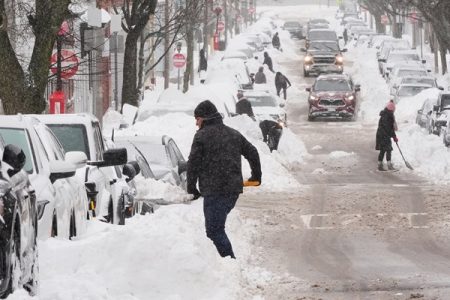
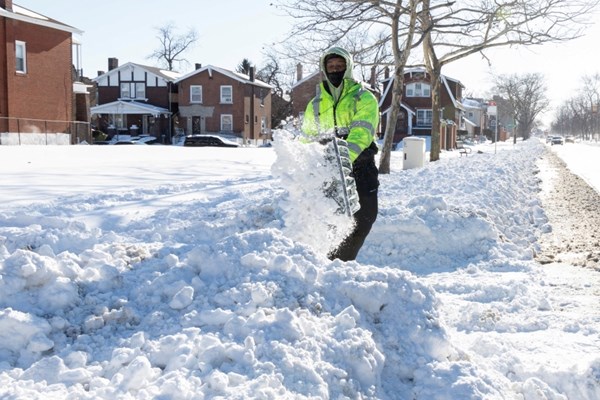
The storm’s effects extended from Massachusetts in the northeast to Texas in the south, with field reports showing frozen roadways and snow accumulation exceeding 30 centimeters in many regions. Residents in some southern states observed exceptional weather conditions that their areas had not experienced in decades.
According to data from PowerOutage, a specialized website tracking electricity disruptions, approximately 700,000 customers lost power across regions extending from the mid-Atlantic to the southern United States. The outages highlighted the storm’s impact on critical infrastructure during one of the coldest periods of the season.
Air Travel Disruptions Reach Historic Levels
The winter storm severely disrupted air travel operations throughout the country. More than 12,500 U.S. flights were cancelled on Sunday, marking the highest number of single-day cancellations since the beginning of the COVID-19 pandemic in 2020.
According to FlightAware, a specialized flight tracking service, the number of cancelled flights reached more than 5,200 domestic and international flights by Monday afternoon. Meanwhile, an additional 6,600 flights experienced delays, stranding thousands of travelers at airports nationwide.
Educational and Transportation Systems Affected
The severe weather forced school closures across multiple states, disrupting the educational process for countless students. Transportation systems also faced significant challenges as icy roads and reduced visibility created hazardous driving conditions throughout affected regions.
However, the winter storm’s impact extended beyond immediate safety concerns. Local governments mobilized emergency response teams to assist stranded motorists and ensure vulnerable populations had access to heating and shelter during the extreme cold snap.
Arctic Air Mass to Prolong Freezing Conditions
While the storm gradually moves away from the East Coast toward the Atlantic Ocean, the National Weather Service warned of an incoming Arctic air mass following behind it. This development means temperatures will remain below freezing for several additional days, prolonging the challenging conditions for affected communities.
In contrast to the storm’s departure, the Arctic blast presents ongoing risks for residents across the eastern United States. Authorities emphasized the continued need for caution as ice accumulation and dangerous wind chills persist even as snowfall subsides.
The combination of lingering cold temperatures and storm damage has raised concerns about additional power outages and infrastructure strain. Energy providers work to restore service to affected customers while preparing for the extended period of freezing weather ahead.
Weather forecasters continue monitoring conditions as the Arctic air mass settles over the region. The exact duration of below-freezing temperatures remains uncertain, though meteorologists indicate the cold snap could persist through the week, potentially affecting millions of Americans across multiple states.