


Listen to the article
A recent scientific study has revealed that blueberries and their leaves may serve as a natural source of compounds capable of slowing down aging processes. Researchers analyzed the composition of blueberries and discovered that both the fruit and foliage contain bioactive substances with powerful antioxidant and anti-inflammatory properties that could help combat age-related cellular damage.
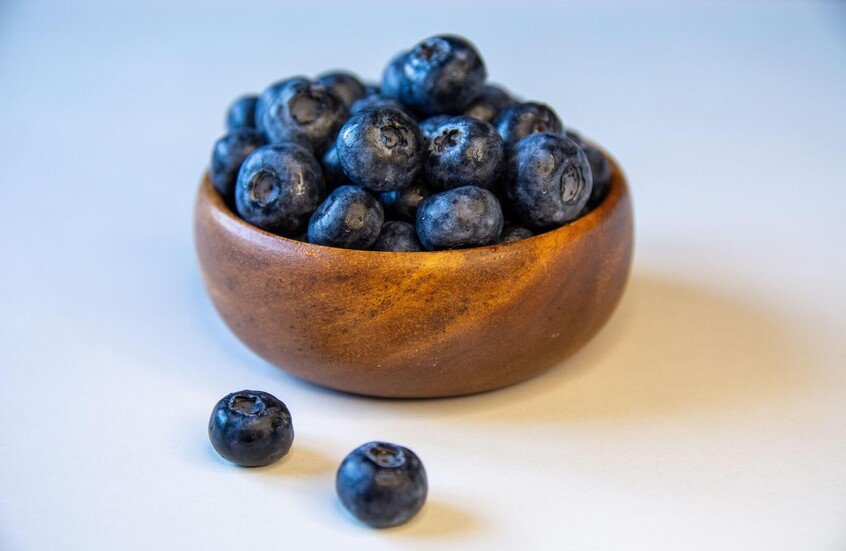
Scientists found that blueberries are rich in anthocyanins, the natural pigment responsible for giving dark blueberries their distinctive color. Additionally, the polyphenols present in blueberries contribute to neutralizing free radicals, which damage cells throughout the body and are considered a primary factor in the aging process.
Antioxidant Properties of Blueberry Leaves
The research specifically examined blueberry leaves, which are utilized less frequently than the berries themselves. According to the study data, these leaves contain high concentrations of phenolic compounds and possess significant antioxidant and anti-inflammatory effects. The leaves also influence metabolic processes in the body.
However, researchers emphasized that the presence of tannins in leaf extracts requires caution during consumption, particularly for elderly individuals. The tannin content may pose specific considerations that need further investigation before widespread use of leaf extracts can be recommended.
Comprehensive Health Benefits
After reviewing data from multiple studies related to blueberries and their health advantages, scientists concluded that blueberry extracts can reduce oxidative stress in the body. The compounds found in these berries help decrease inflammation and improve skin condition while slowing the development of age-related diseases.
Meanwhile, the fruit is recognized as an important dietary source for supporting eye health and improving vision. The bioactive compounds in blueberries work synergistically to protect delicate eye tissues from oxidative damage that accumulates over time.
Natural Anti-Aging Compounds
The study highlights blueberries as a natural treasure containing multiple beneficial substances. The combination of anthocyanins, polyphenols, and other phenolic compounds creates a powerful defense against cellular aging. These naturally occurring antioxidants work by targeting free radicals before they can cause significant damage to cells and tissues.
In contrast to synthetic supplements, blueberries offer a whole-food approach to obtaining anti-aging compounds. The fruit provides these beneficial substances in their natural matrix, potentially enhancing their bioavailability and effectiveness compared to isolated compounds.
Blueberries as Anti-Aging Superfoods
The research underscores the potential of incorporating blueberries into regular dietary habits as a preventive measure against aging. The anti-inflammatory properties of these berries may help address chronic inflammation, which is increasingly recognized as a contributor to various age-related conditions. Furthermore, the ability of blueberry compounds to reduce oxidative stress positions them as valuable nutritional tools.
Additionally, the findings suggest that both fresh berries and properly prepared extracts may offer health benefits. The concentration of bioactive compounds varies depending on factors such as growing conditions, ripeness, and preparation methods.
Further research is expected to explore optimal dosages and delivery methods for blueberry compounds, as well as detailed safety profiles for leaf extracts. Scientists continue to investigate the long-term effects of regular blueberry consumption on aging markers and age-related disease prevention, though specific timelines for additional studies have not been confirmed.