




Listen to the article
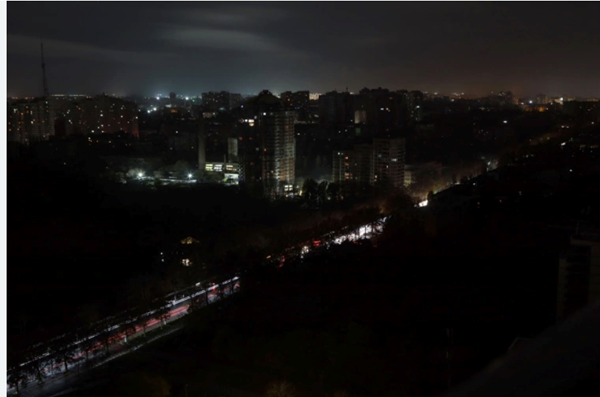
Parts of Ukraine and Moldova experienced widespread power outages on Saturday, affecting multiple regions including both capital cities, according to officials. Authorities attributed the power outages to malfunctions in two high-voltage transmission lines, though specific details about the cause remain under investigation.
Officials did not directly link the electricity disruptions to the ongoing war. Additionally, Ukraine’s Ministry of Digital Transformation confirmed that a cyberattack was not responsible for the blackouts, addressing concerns about potential digital infrastructure threats.
Impact of Power Outages Across Multiple Regions
At least four Ukrainian regions and several areas of Moldova were affected by the electricity failures, in addition to the capitals Kyiv and Chisinau. The disruptions caused significant interruptions to daily life and critical infrastructure in both countries.
In Kyiv, the metro system ceased operations and water supplies were cut off across the city. Meanwhile, Chisinau’s mayor reported that traffic lights stopped functioning and public transportation came to a halt, with most neighborhoods losing electrical power.
Energy System Under Increasing Pressure
The power infrastructure is facing mounting stress as a cold wave returned at the beginning of this week. The combination of increased heating demand and infrastructure vulnerabilities has placed additional strain on the electrical grid serving both nations.
However, the exact nature of the malfunctions in the high-voltage lines has not been fully disclosed by authorities. Energy officials have not provided a detailed timeline for when the technical issues first emerged or how long repairs might take.
Understanding the Broader Energy Context
Ukraine’s power system has been particularly vulnerable following years of conflict that have damaged critical infrastructure. The country’s energy grid has faced repeated challenges in maintaining stable electricity supply, especially during winter months when demand peaks.
In contrast, Moldova has also experienced energy security concerns, though to a lesser extent than its neighbor. The shared infrastructure between the two countries means that technical problems can affect both nations simultaneously.
Response and Recovery Efforts
Authorities in both countries have mobilized teams to address the power outages and restore normal service. Nevertheless, officials have not provided specific estimates for when full electricity supply will be restored to all affected areas.
The disruption to essential services like metro transportation, water supply, and traffic management highlights the cascading effects of power outages on urban infrastructure. Emergency services and utility companies are working to minimize the impact on residents and businesses.
Additionally, the timing of the outages during a cold snap raises concerns about heating availability for affected populations. Energy officials are likely prioritizing residential areas and critical facilities in their restoration efforts.
Technical Challenges in High-Voltage Systems
High-voltage transmission lines are critical components of electrical grids, carrying large amounts of power across long distances. When multiple lines experience simultaneous failures, the impact can be widespread and affect entire regions.
According to the available information, the malfunctions occurred in two separate high-voltage lines, though authorities have not specified whether the incidents were related or coincidental. Technical experts will likely need to conduct thorough inspections to determine the root causes.
Officials have not announced a specific timeline for completing repairs to the damaged transmission infrastructure or when full power restoration is expected. The duration of the outages will likely depend on the extent of the damage and the availability of replacement equipment and technical personnel to complete necessary repairs.