


Listen to the article
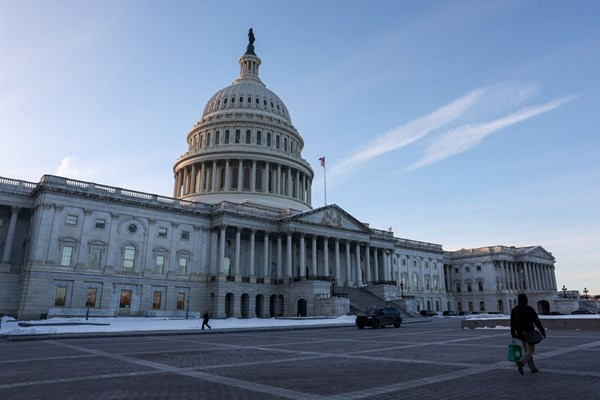
The United States entered a partial government shutdown today as lawmakers anticipate a swift resolution when the House of Representatives votes Monday on funding legislation. The government shutdown comes just three months after the longest federal closure in American history, though officials expect this interruption to be brief and limited in scope.
According to reports, the partial shutdown stems from Democratic opposition to a proposed Department of Homeland Security budget that lacks restrictions on immigration enforcement agencies. The dispute follows the recent deaths of two American citizens who were shot by immigration officers in Minneapolis, prompting calls for increased oversight and accountability measures.
Senate Approves Funding Bill to End Government Shutdown
The Senate adopted a financial bill several hours before the deadline that would limit the duration of the federal government closure. The legislation is scheduled for a vote in the House of Representatives early next week, setting the stage for a potential end to the funding impasse.
However, the timing of the shutdown means most federal employees will not experience significant disruption. Because the funding lapse occurred over a weekend, agencies have not been forced to furlough large numbers of public sector workers or halt essential services.
Limited Impact Expected From Brief Funding Lapse
The consequences of this partial shutdown are expected to remain minimal compared to previous government closures. Officials indicate the interruption may last no longer than the weekend, avoiding the widespread furloughs and service disruptions that characterized earlier funding gaps.
Additionally, the strategic timing has provided lawmakers with a narrow window to reach agreement without triggering the cascading effects typically associated with extended government shutdowns. Essential government functions continue operating during the brief lapse in appropriations.
Immigration Enforcement Oversight Drives Budget Standoff
The current federal funding dispute centers on Democratic demands for enhanced restrictions on immigration enforcement activities. Opposition lawmakers have insisted that any Department of Homeland Security budget must include provisions addressing concerns about officer conduct and accountability.
Meanwhile, the recent fatal shootings in Minneapolis have intensified scrutiny of immigration enforcement practices and fueled calls for reform. The incidents have become a focal point in broader debates over law enforcement authority and civil rights protections.
In contrast to the prolonged government shutdown earlier this year, which lasted more than a month and affected hundreds of thousands of workers, this interruption appears positioned for rapid resolution. The Senate’s swift action in passing compromise legislation reflects urgency among lawmakers to avoid repeating the extended closures that disrupted government services and caused economic uncertainty.
Federal Agencies Prepare for Short-Term Disruption
Government agencies have implemented contingency plans to maintain critical operations during the funding gap. Emergency services, national security functions, and other essential activities continue without interruption under existing protocols for shutdown scenarios.
Furthermore, the abbreviated nature of the expected closure means most federal contractors and grant-dependent programs will experience little to no impact. Treasury operations and Social Security payments proceed normally during partial government shutdowns, cushioning effects on the broader economy.
House leadership has indicated Monday’s vote will proceed as scheduled, with expectations that sufficient support exists to pass the Senate-approved funding measure. If approved, the legislation would restore full appropriations and end the partial government shutdown before significant disruptions occur across federal agencies and services.