



Listen to the article
A woman who sustained critical injuries in a devastating train collision in southern Spain has died twelve days after the accident, according to Spanish state broadcaster RTVE and other Spanish media outlets. The death raises the toll from one of the country’s worst railway disasters to 46 victims, marking another tragic milestone in the aftermath of the catastrophic crash.
The fatal train crash occurred in southern Spain approximately two weeks ago, resulting in widespread casualties and injuries. Spanish authorities have been treating numerous survivors who suffered varying degrees of trauma in the collision, with some patients remaining in critical condition at regional hospitals.
Impact of Spain Train Crash on National Safety
The Spain train crash now stands as one of the deadliest railway disasters in the nation’s history. With the death toll climbing to 46, the incident has prompted serious questions about railway safety protocols and infrastructure maintenance across the country’s rail network.
Spanish media outlets have been closely following the conditions of those hospitalized following the collision. Medical teams have been working around the clock to treat survivors, many of whom sustained life-threatening injuries in the impact. However, the latest fatality demonstrates the severe nature of the crash and the ongoing medical challenges faced by some patients.
Investigation into Railway Disaster Continues
Transportation authorities have been conducting a thorough investigation into the circumstances surrounding the deadly collision. Officials are examining multiple factors that may have contributed to the accident, including potential mechanical failures, human error, and infrastructure conditions at the crash site.
Meanwhile, the incident has reignited debates about railway safety standards throughout Spain’s extensive rail network. Industry experts have emphasized the need for comprehensive safety reviews and potential upgrades to prevent similar tragedies in the future. Additionally, railway workers’ unions have called for increased investment in maintenance and safety systems.
The crash has deeply affected communities across southern Spain, with many families still grieving loved ones lost in the disaster. Local authorities have been providing support services to victims’ families and survivors dealing with physical and psychological trauma from the incident.
Emergency Response and Medical Treatment
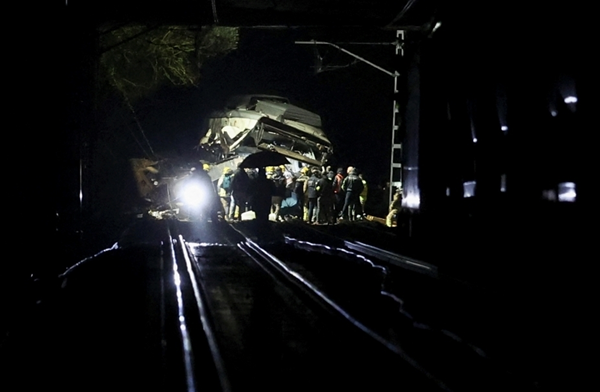
Emergency services responded swiftly to the scene of the train collision, deploying multiple rescue teams and medical personnel. First responders worked under challenging conditions to extract passengers from damaged rail cars and provide immediate medical attention to the injured.
In contrast to some previous railway accidents, the scale of this disaster required coordination among multiple hospitals and medical facilities. Healthcare workers have praised the rapid response but acknowledged the overwhelming number of casualties that strained local medical resources.
Spanish officials have not yet released a final report on the causes of the railway disaster. The investigation remains ongoing, with transportation safety experts analyzing evidence from the crash site, reviewing maintenance records, and interviewing witnesses and railway personnel who may provide crucial information.
Furthermore, the incident has drawn attention from international railway safety organizations monitoring the investigation’s findings. Other European nations with similar rail infrastructure have expressed interest in learning from Spain’s experience to enhance their own safety measures.
Authorities continue to monitor the condition of remaining hospitalized patients from the train crash, though the number of those in critical condition has not been publicly disclosed. The investigation into the causes of the collision is expected to take several months before conclusions and recommendations are released to the public and railway operators.