


Listen to the article
A severe winter storm sweeping across the United States has claimed approximately 90 lives as extreme cold weather continues to impact states from Texas to New Jersey, authorities confirmed Friday. The deadly winter storm has brought dangerous conditions across a wide swath of the country, with officials warning residents to remain vigilant as another major weather system approaches the East Coast.
According to authorities, nearly half of the fatalities occurred in Tennessee, Mississippi, and Louisiana. Officials attributed some deaths to hypothermia, while other fatalities are suspected to be linked to carbon monoxide exposure, a common danger during power outages when people use alternative heating sources.
Prolonged Power Outages Compound Crisis
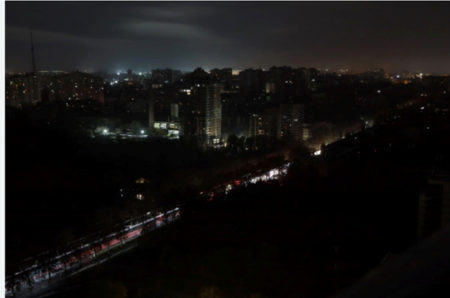
Tens of thousands of Americans have endured nearly a week without electricity as the extreme cold weather persists. The extended power outages have forced residents to seek alternative heating methods, significantly increasing the risk of carbon monoxide poisoning from improper use of generators and other heating devices.
The prolonged blackouts have created cascading challenges for affected communities. Without power, many households lack access to heating systems, refrigeration, and essential communications during one of the most dangerous weather events in recent memory.
Additional Storm System Threatens East Coast
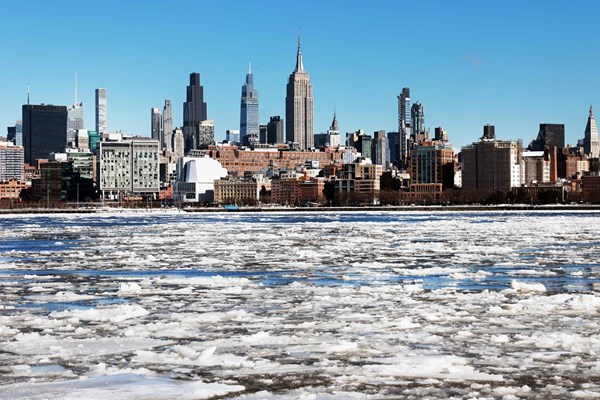
Meanwhile, another powerful storm system appears to be forming along the Eastern Seaboard. Residents in coastal areas are preparing for hurricane-force winds, heavy snowfall, and potential flooding, according to weather forecasts.
Additionally, meteorological services have issued warnings for communities to brace for the incoming weather event. The combination of extreme cold temperatures, high winds, and heavy precipitation could create life-threatening conditions similar to those currently affecting other parts of the country.
Carbon Monoxide Risks Rise During Winter Emergencies
Emergency officials have emphasized the dangers of carbon monoxide exposure during winter power outages. The colorless, odorless gas can be lethal when generators, grills, or other combustion devices are used indoors or in poorly ventilated spaces.
However, the desperate need for warmth during the bitter cold snap has led some residents to take risks with alternative heating sources. Public safety announcements have repeatedly warned against using gas-powered equipment inside homes or garages, even with doors or windows partially open.
Regional Impact and Response Efforts
The winter storm death toll continues to rise as authorities complete wellness checks and investigate weather-related incidents across multiple states. Emergency management agencies are coordinating response efforts to provide shelter, warming centers, and essential supplies to affected communities.
In contrast to previous winter weather events, the current cold snap has affected regions unaccustomed to such extreme temperatures. Southern states like Louisiana and Mississippi face particular challenges, as their infrastructure and emergency response systems are less equipped for prolonged freezing conditions.
Furthermore, the extended duration of the cold weather event has strained resources and exhausted emergency personnel. First responders have faced dangerous road conditions while attempting to reach stranded motorists and residents in distress.
Preparing for the Next Winter Storm Wave
As the East Coast braces for the approaching storm system, emergency officials are urging residents to stockpile essential supplies, charge electronic devices, and avoid unnecessary travel. The combination of heavy snow, powerful winds, and potential coastal flooding could create extremely hazardous conditions.
Authorities have not confirmed when power will be fully restored to all affected areas or how long the current extreme weather pattern will persist. Weather services continue monitoring both the ongoing cold snap and the developing East Coast storm system, with updated forecasts expected in the coming days.