


Listen to the article
Egyptian President Abdel Fattah el-Sisi and Jordan’s King Abdullah II met in Cairo to discuss the ongoing crisis in Gaza and reaffirmed their rejection of any violations against the Palestinian people. The two leaders emphasized the urgent need to begin early recovery operations and Gaza reconstruction efforts during their meeting, according to a statement from the Egyptian presidency.
Egyptian Presidential Spokesman Mohamed El-Shenawy said in a statement that the talks focused on recent developments in the Gaza Strip. Both parties stressed the importance of fully implementing the Gaza ceasefire agreement and supporting President Donald Trump’s peace plan for the region.
Humanitarian Aid and Gaza Reconstruction Priorities
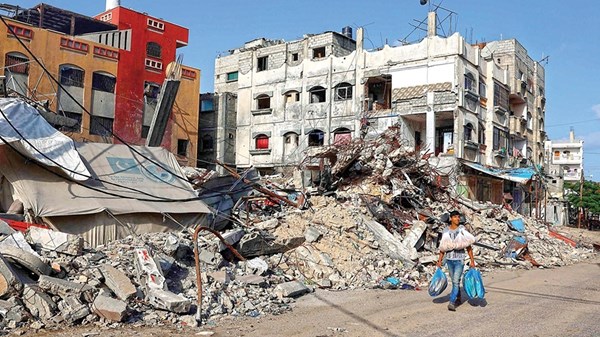
The leaders called for enhanced delivery of humanitarian assistance to Gaza without restrictions. According to the official statement, the discussions highlighted the critical need to accelerate early recovery processes and begin Gaza reconstruction as soon as possible to address the dire humanitarian situation in the territory.
Additionally, both Egypt and Jordan firmly renewed their rejection of any attempts to displace the Palestinian people from their land. This position reflects long-standing concerns among regional powers about potential forced migration scenarios that could arise from the ongoing conflict.
West Bank Situation and Palestinian Rights
The Cairo meeting also addressed recent developments in the West Bank. El-Sisi and King Abdullah II reiterated their opposition to all violations and arbitrary practices against the Palestinian population in the occupied territories, according to the presidential statement.
Meanwhile, the two leaders emphasized the critical importance of establishing an independent Palestinian state. They stated that the creation of such a state based on the June 4, 1967 borders with East Jerusalem as its capital represents the only viable path toward achieving lasting peace and stability in the Middle East region.
Regional Coordination on Peace Efforts
The discussion underscored the ongoing coordination between Egypt and Jordan on Palestinian issues. Both countries have historically played significant mediating roles in Israeli-Palestinian negotiations and continue to maintain diplomatic channels with various parties involved in the conflict.
However, the statement did not provide specific details about timelines for implementing Gaza reconstruction plans or mechanisms for ensuring ceasefire compliance. The leaders’ emphasis on President Trump’s peace plan suggests potential American involvement in future diplomatic initiatives, though specifics remain unclear.
In contrast to previous regional meetings, this Cairo summit placed particular focus on the immediate humanitarian needs in Gaza. The call for unrestricted aid delivery reflects growing international concern about the deteriorating conditions faced by civilians in the territory following recent hostilities.
Furthermore, the joint position against displacement attempts highlights regional anxieties about demographic changes that could permanently alter the political landscape. Egyptian and Jordanian officials have consistently warned against any forced population transfers as a solution to the Israeli-Palestinian conflict.
Two-State Solution Reaffirmed
The emphasis on establishing a Palestinian state based on 1967 borders represents a reaffirmation of the traditional Arab League position. This stance aligns with international consensus on the two-state solution framework, though implementation mechanisms remain a subject of ongoing debate among international stakeholders.
Both leaders stressed that sustainable peace in the Middle East cannot be achieved without addressing Palestinian national aspirations. The statement indicated that Egypt and Jordan view the establishment of Palestinian sovereignty as fundamental to regional stability and security.
Authorities have not announced when follow-up meetings will take place or whether additional regional partners will be included in future discussions. The timeline for implementing Gaza reconstruction and early recovery operations remains uncertain pending security arrangements and international donor coordination.