


Listen to the article
The Belgian government has announced an extension of its internal border verification operations for an additional six months as part of a broader package of measures aimed at curbing irregular migration and strengthening national security. These enhanced border checks, which initially began in July of last year, will continue to be implemented across key entry points throughout the country, according to official statements from Brussels.
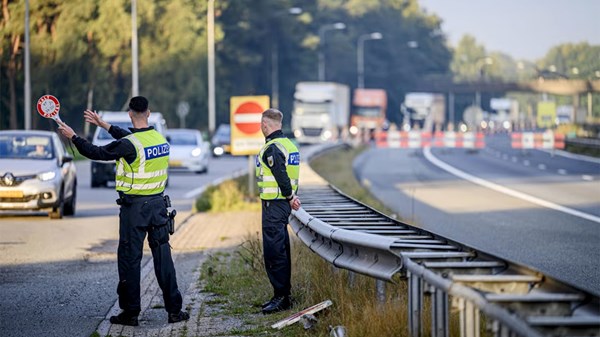
The operations do not constitute formal border controls but are being carried out on major roadways, highway rest areas, international buses, select train services, and certain flights within the Schengen zone. Authorities have particularly focused on arrivals from countries experiencing high migration pressures, such as Italy and Greece, according to government sources.
Understanding Belgium’s Border Verification Strategy
The decision to extend border checks in Belgium reflects growing concerns about irregular migration across European Union member states. While Belgium remains part of the Schengen Area, which traditionally allows passport-free movement between participating countries, the government has invoked provisions that permit temporary internal verification measures under specific circumstances.
These verification operations represent a middle-ground approach between full border controls and completely open borders. Belgian authorities conduct spot checks and document verifications without establishing permanent checkpoint infrastructure along borders, allowing them to maintain security objectives while minimizing disruption to legitimate travel and commerce.
Impact on Schengen Zone Operations
The extension of these measures comes amid broader discussions within the European Union about migration management and border security. Several Schengen countries have implemented similar temporary verification procedures in recent years, citing security concerns and migration pressures as justification for enhanced monitoring.
However, critics have raised questions about the long-term implications of such measures for the Schengen Area’s fundamental principle of free movement. The continued use of internal verification operations by Belgium and other member states has sparked debate about whether these temporary measures risk becoming permanent fixtures of Europe’s border landscape.
Comprehensive Approach to Migration Control
Belgian officials have emphasized that the border verification extension is part of a wider strategy to address irregular migration comprehensively. The government’s package of measures reportedly includes additional resources for processing asylum applications, enhanced cooperation with other European countries, and efforts to address root causes of irregular migration.
Additionally, authorities have indicated that the verification operations have yielded results in identifying individuals attempting to enter or transit through Belgium without proper documentation. The focus on transportation hubs and routes from high-pressure migration countries reflects a targeted approach based on migration flow data and risk assessment.
Legal Framework and EU Compliance
Meanwhile, the Belgian government maintains that its verification operations comply with European Union regulations governing the Schengen Area. Under the Schengen Borders Code, member states can implement temporary measures when facing serious threats to public policy or internal security, provided these measures are proportionate and time-limited.
The six-month extension period aligns with the framework established under EU law for such temporary measures. Belgian authorities have not confirmed whether further extensions beyond this period are under consideration, though the decision will likely depend on migration trends and security assessments conducted in the coming months.
The current extension is expected to remain in effect for the next six months, after which Belgian authorities will reassess the necessity of continuing the verification operations. However, officials have not ruled out the possibility of additional extensions if circumstances warrant continued enhanced border monitoring measures.