


Listen to the article
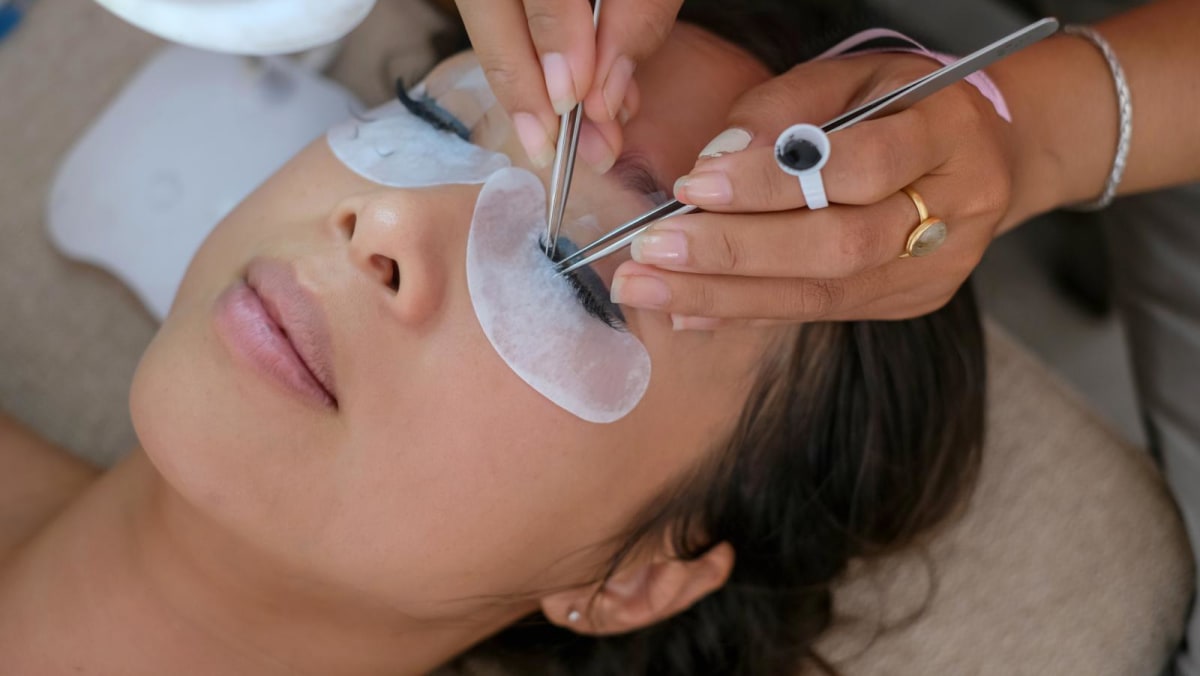
Home-based beauty businesses in Singapore are gaining popularity due to convenience and lower costs, but medical professionals are raising concerns about potential safety risks and lack of regulation. According to Dr Stephanie Ho, a consultant dermatologist with over 25 years of experience, while these home-based beauty services offer several advantages, clients must be aware of significant health and safety considerations before booking treatments.
Dr Ho, who operates her own clinic at Scotts Medical Centre, acknowledged that these businesses provide convenient scheduling options and private settings for customers. The treatments also eliminate time-consuming logistics and often cost significantly less than clinic-based procedures due to the absence of high commercial rental expenses.
Additionally, home-based practitioners can offer more personalized treatment combinations, such as performing different procedures simultaneously on the face, eye area, and scalp, according to Dr Ho. However, these benefits come with considerable risks that consumers should carefully evaluate.
Safety Concerns With Home-Based Beauty Services
The dermatologist warned that certain home practitioners may offer treatments that are not legally permitted. These include unauthorized injectables, unsafe laser procedures, counterfeit Botox injections, and unverified skin-lightening products, as reported in various media accounts.
Dr Ho emphasized that home-based practitioners are less likely to have undergone formal and rigorous training and certification. This lack of professional education can lead to improper techniques and unsafe procedures that potentially result in serious complications including burns, scarring, infections, or suboptimal results.
Regulatory Gaps and Equipment Standards
Furthermore, Dr Ho pointed out that home businesses face no strict industry regulations. Tools and equipment may not be properly sterilized, significantly increasing the risk of infections, cross-contamination, and adverse skin reactions among clients.
In contrast to professional clinics, home-based setups typically lack proper medical equipment or trained staff capable of handling emergic situations. Allergic reactions, burns, or other complications may occur without adequate emergency response capabilities on site.
Meanwhile, practitioners operating from home usually carry no professional liability insurance. This absence of coverage means that customers may have little recourse if treatments go wrong or result in injury.
The physical environment also presents concerns, as home spaces may not be designed for professional procedures. Issues such as improper lighting or inadequate ventilation can compromise treatment quality and safety, according to the specialist.
Official Position on Medical Procedures
Dr Ho advised that while home-based beauty services may be appealing, clients should remain mindful of hygiene standards, product safety, and practitioner qualifications. These factors are essential to ensure they receive safe and professional treatments.
The Singapore Medical Council responded to queries by clarifying that it does not oversee or license non-medical beauty services or beauticians. The regulatory body’s jurisdiction is limited exclusively to the regulation of medical practitioners operating in the healthcare sector.
The council emphasized that medical procedures must only be performed by qualified medical practitioners in licensed healthcare facilities. According to the Singapore Medical Council, this requirement is crucial for ensuring patient safety and maintaining high standards of medical care across the industry.
Authorities have not indicated whether new regulations governing home-based beauty services will be introduced, leaving consumers to exercise caution when selecting practitioners for aesthetic treatments.