




Listen to the article
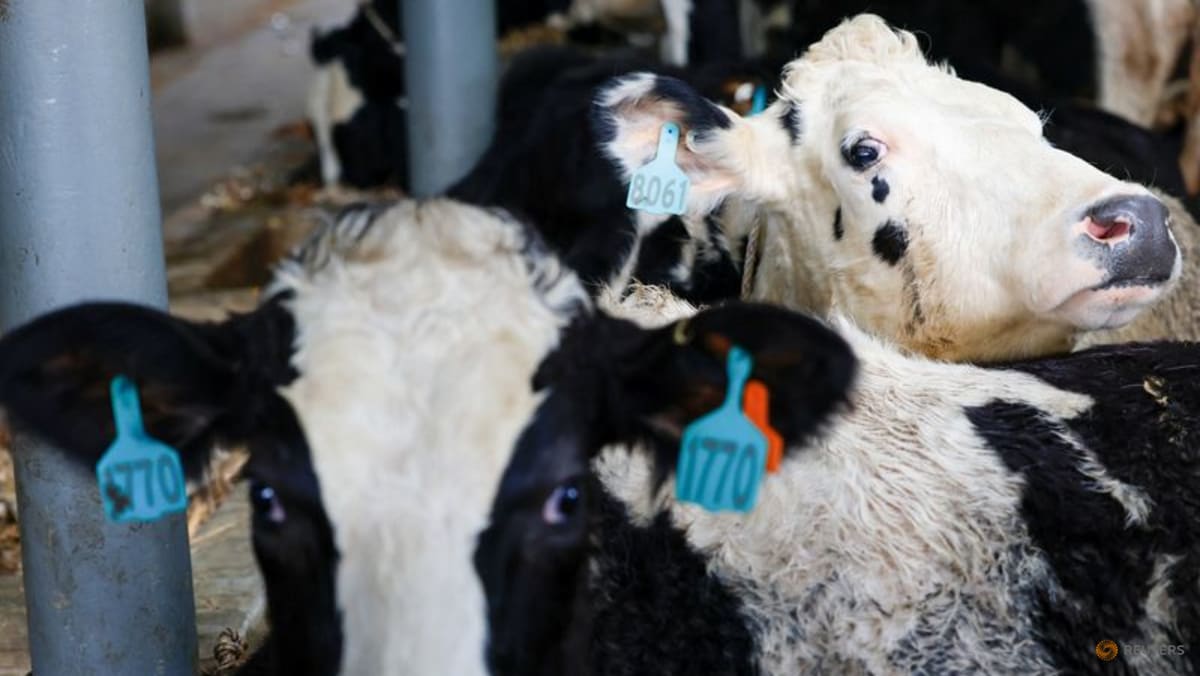
Indonesia has imported an additional 1,383 dairy cows from Australia as part of an ambitious initiative to dramatically expand domestic milk production, according to agriculture officials. The latest dairy cow imports arrived on Sunday in Cilacap, Central Java, marking another step in the government’s plan to quadruple national dairy output through enhanced cooperation with smallholder farms.
The shipment comprises 1,094 animals imported by private company Lunar Chemplast and 289 cows purchased by Mazaraat Lokanatura Indonesia, the agriculture ministry confirmed on Monday. The cattle are currently undergoing mandatory quarantine and health screening procedures to ensure they are free from diseases such as lumpy skin disease and foot-and-mouth disease.
Ambitious Plan to Boost Dairy Cow Imports
The recent arrivals form part of Indonesia’s extensive $3 billion strategy to import one million dairy cows over five years. According to the ministry, this initiative aims to increase the country’s dairy cattle population from its current level of approximately 220,000 animals to meet growing domestic demand for milk products.
Agung Suganda, the ministry’s director general of livestock and animal health, emphasized the strategic importance of these imports. “These cattle are not only an addition to the population,” Suganda said in a statement. “They are a strategic investment to strengthen the foundation of national milk production from smallholder farms.”
Private Sector Funding Strategy
Facing budget constraints, the Indonesian government has adopted an unconventional approach by pushing private companies to finance the cattle purchases. This strategy has raised concerns among some businesses in Southeast Asia’s largest economy, Reuters reported last year. However, the government maintains that private sector involvement is essential to achieving the program’s ambitious targets.
The imported dairy cows are intended to support joint breeding and production initiatives involving cooperatives and farmers that have been underway since last year. According to the ministry, milk produced by these animals will be channeled into the domestic processing industry to guarantee supply stability.
Connection to National Food Security Program
The dairy expansion initiative serves as a cornerstone of Indonesia’s broader free meals program, which aims to provide nutritious food to 83 million children and expectant mothers nationwide. Increasing domestic milk production is viewed as critical to ensuring sustainable supply chains for this massive social welfare undertaking.
Additionally, the program addresses Indonesia’s significant reliance on imported dairy products by building self-sufficiency in milk production. By focusing on smallholder farmers rather than large industrial operations, the government hopes to create economic opportunities in rural communities while simultaneously boosting national output.
Quarantine and Health Protocols
Hendra Wibawa, an animal health official at the agriculture ministry, outlined the strict biosecurity measures being applied to the latest shipment. “To ensure safety, a 14-day quarantine period will be followed by sample collection to detect diseases such as lumpy skin disease and foot-and-mouth disease,” Wibawa explained.
Meanwhile, ministry data reveals that Indonesia imported a total of 33,955 cows in 2025, with 13,544 designated as dairy animals and the remainder intended for beef production. These figures demonstrate the scale of livestock imports required to support the country’s growing food security needs.
The success of Indonesia’s dairy expansion program will depend on continued cooperation between government agencies, private sector partners, and smallholder farmers over the coming years. Authorities have not confirmed specific timelines for achieving the quadrupling of dairy output, though the five-year import schedule suggests gradual implementation is expected through 2029.