
Listen to the article
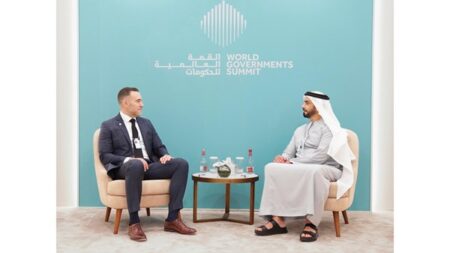
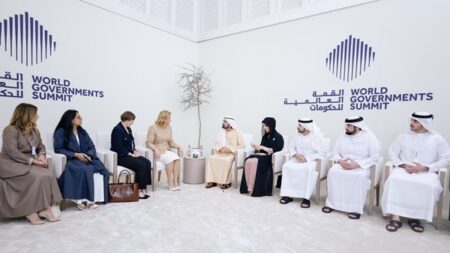
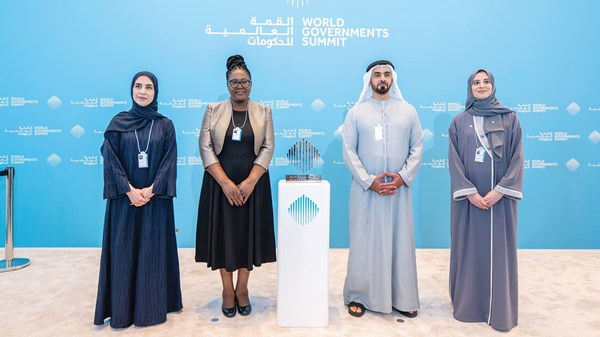
The United Arab Emirates has honored Zimbabwe’s innovative Friendship Bench mental health initiative with the prestigious Creative Government Innovations Award during the World Government Summit 2026. His Highness Lieutenant General Sheikh Saif bin Zayed Al Nahyan, Deputy Prime Minister and Minister of Interior, presented the award to the project team in Dubai, recognizing their groundbreaking approach to community mental health care that combines social innovation with sustainability.
The Friendship Bench project emerged victorious from a competitive shortlist of ten innovative initiatives representing countries worldwide. According to the award organizers, these finalists were selected from an initial pool of 50 groundbreaking projects evaluated in partnership with the global Apolitical platform, based on their impact, scalability, and creative solutions to government challenges.
Community Mental Health Innovation Addresses Global Challenge
The Friendship Bench initiative targets individuals experiencing common mental health disorders of mild to moderate severity, including anxiety and depression, locally known as “kufungisisa” or overthinking. The program delivers care using culturally familiar language and concepts, avoiding Western clinical terminology to enhance trust and accessibility to mental health support within communities.
The model leverages the trusted social role of grandmothers within Zimbabwean communities to provide psychological first aid. Additionally, the program includes clear referral mechanisms to escalate cases showing risk indicators to advanced care levels when necessary. By relocating mental health support services from clinical settings to everyday community spaces, the initiative has integrated care into daily life.
Reaching Over One Million Beneficiaries
The program has successfully reached more than one million beneficiaries through collaboration with Zimbabwe’s Ministry of Health and the World Health Organization. According to program data, more than 3,000 community health workers have received training, with the initiative operating in over 300 primary healthcare facilities and establishing 919 support groups across the country.
Results indicate a 78 percent reduction in depression rates among participants, demonstrating the effectiveness of this community-based approach. The 2025 World Happiness Report recognized the Friendship Bench model as one of the most effective mental health interventions globally, the organizers noted.
Global Adoption of Friendship Bench Model
The initiative’s success has inspired international replication, with twelve countries adopting and implementing the model. These nations include El Salvador, the United States, Malawi, Zambia, Colombia, Vietnam, and Jordan, among others, showcasing the program’s adaptability across diverse cultural contexts.
This recognition reflects how community-based innovation rooted in local trust and culture can reshape global mental health systems. The award demonstrates that governments can design sustainable, human-centered solutions adaptable to various contexts while maintaining effectiveness and cultural relevance.
Rigorous Evaluation Process
An independent jury comprising experts from leading global institutions across government, private sector, international organizations, and academia conducted the final assessment. The evaluation employed three key criteria: novelty, which assessed how the solution differs from current practices and its reliance on new models, processes, and technologies; replicability, examining whether other governments can adopt the innovation and whether it inspires new ideas; and impact, focusing on the challenge’s scope and difficulty alongside the solution’s contribution to improving surrounding conditions.
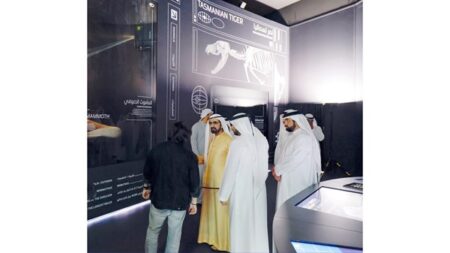
Meanwhile, the Mohammed bin Rashid Center for Government Innovation annually presents one winner with the Creative Government Innovations Award. The initiative celebrates innovation and introduces World Government Summit participants to pioneering experiences, initiatives, and solutions developed by governments worldwide, providing knowledge-exchange opportunities and enabling officials to test innovative tools for future preparedness.
The award continues to spotlight transformative government initiatives that address critical human challenges through accessible, sustainable approaches. Future editions are expected to maintain this focus on scalable solutions with demonstrated global impact potential.