
Listen to the article
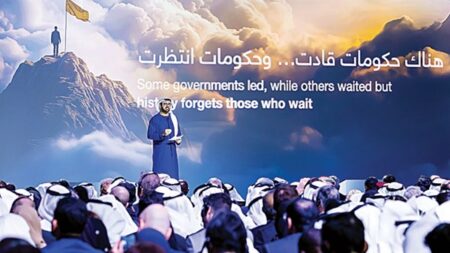
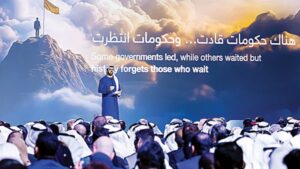
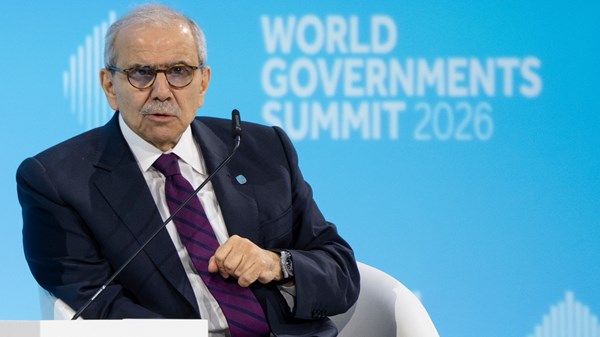
Lebanon’s Prime Minister Dr. Nawaf Salam has emphasized that restoring trust among Lebanese citizens, Arab nations, and the international community stands as the government’s primary objective. Speaking at the World Government Summit 2025, Salam outlined his administration’s commitment to creating a secure and attractive investment environment while implementing comprehensive reforms. The Lebanese Prime Minister stressed that Lebanon’s priority is rebuilding confidence both domestically and internationally to pave the way for economic recovery.
According to statements made during a keynote session at the summit in Dubai, Salam called upon Gulf Cooperation Council states to support Lebanon’s reform journey. He specifically requested assistance for the Lebanese Armed Forces and invited participation in an upcoming conference in Paris dedicated to supporting the Lebanese military.
Lebanon’s Commitment to Sovereignty and Reform
The Prime Minister articulated that Lebanon’s rescue plan rests on two inseparable pillars: sovereignty and reform. He assured attendees that Lebanon would not be drawn into another regional adventure, emphasizing that decisions regarding war and peace now rest exclusively with the Lebanese state. This declaration signals a shift toward centralizing authority and reducing external influences on critical national security matters.
Salam’s remarks underscore Lebanon’s determination to assert control over its territory and decision-making processes. The government aims to strengthen state institutions and establish clear boundaries regarding Lebanon’s role in regional conflicts. This approach represents a fundamental element of the trust-building strategy outlined by the Prime Minister.
Economic Recovery Through Investment and International Support
The Lebanese government is actively working to position the country as a viable destination for foreign investment. Salam directed a specific message to Gulf investors, urging them to view Lebanon with fresh perspective. Additionally, he highlighted the interconnected nature of sovereignty and economic reform in achieving sustainable recovery.
However, Lebanon faces significant challenges in attracting investment given its recent economic turmoil and political instability. The government recognizes that creating an attractive investment environment requires demonstrable progress on security, governance, and fiscal reforms. Meanwhile, international confidence remains contingent upon Lebanon’s ability to implement substantive changes rather than cosmetic adjustments.
Strengthening the Lebanese Armed Forces
Central to Salam’s appeal was the emphasis on supporting the Lebanese Armed Forces as the primary guarantor of sovereignty and stability. The Prime Minister identified military strengthening as essential to maintaining territorial integrity and preventing Lebanon from being drawn into regional conflicts. In contrast to previous periods when non-state actors wielded significant influence, the government now seeks to consolidate military authority under state control.
The upcoming Paris conference represents a critical opportunity for international partners to demonstrate tangible support for Lebanon’s security apparatus. Gulf states, according to Salam, have a particular role to play in this endeavor given their regional influence and investment capacity. Furthermore, a well-equipped and professional military is viewed as foundational to both sovereignty objectives and economic stability.
Rebuilding Trust as Foundation for Progress
Trust restoration emerged as the overarching theme of the Prime Minister’s address. Lebanese citizens have endured economic collapse, currency devaluation, and political dysfunction in recent years. Consequently, domestic confidence in government institutions has eroded significantly. The administration recognizes that concrete actions rather than promises will determine whether trust can be rebuilt.
Arab nations and the international community similarly require evidence of genuine commitment to reform before extending substantial support. The government’s dual focus on sovereignty and reform represents an attempt to address both security concerns and governance deficiencies simultaneously. Nevertheless, skepticism remains high given Lebanon’s history of announced reforms that failed to materialize.
The Paris conference on supporting the Lebanese Armed Forces will serve as an important indicator of international willingness to back Lebanon’s reform agenda. Meanwhile, the government’s ability to maintain its stated commitment to keeping war and peace decisions under state control will be closely monitored in the coming months as regional tensions continue.