




Listen to the article
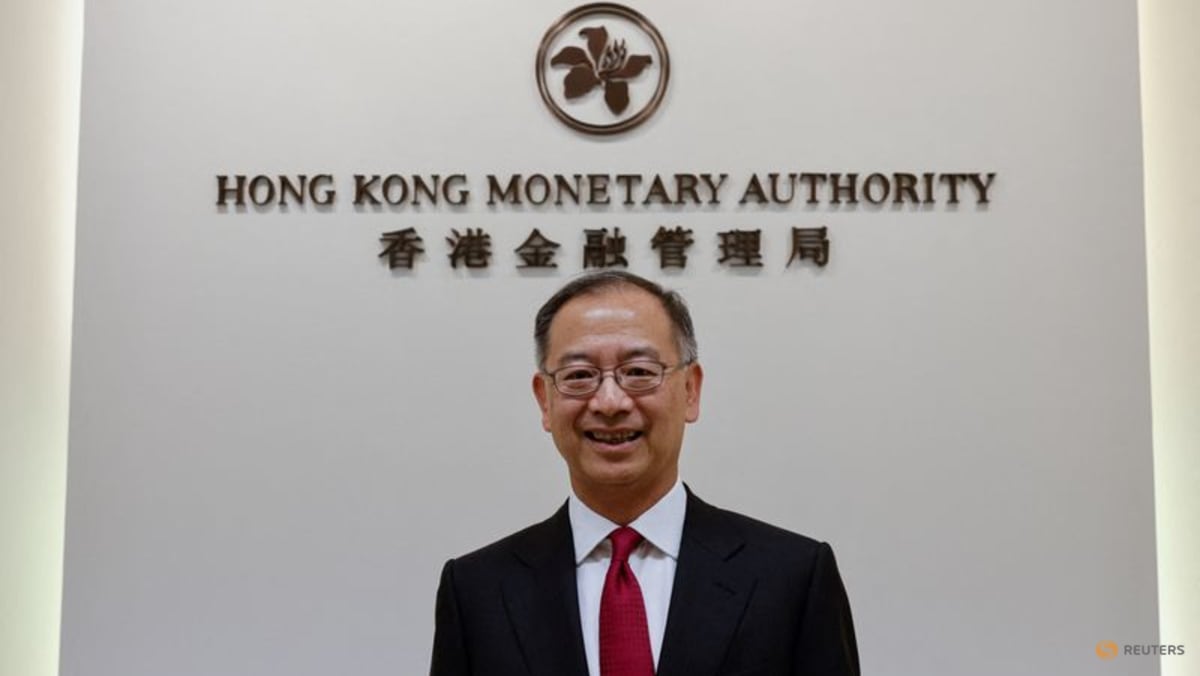
Hong Kong’s monetary regulator is set to grant its first stablecoin issuer licences next month, marking a significant milestone in the city’s digital asset regulatory framework. The Hong Kong Monetary Authority Chief Executive Eddie Yue announced on Monday that the regulator expects to issue stablecoin issuer licences in March, though only a very small number will be approved in the initial batch.
Speaking at a Legislative Council meeting, Yue confirmed that the review process for pending applications is approaching completion. The announcement signals Hong Kong’s cautious but deliberate approach to establishing oversight for digital currency issuers operating within its financial system.
Comprehensive Assessment Criteria for Stablecoin Licences
During a media briefing following the legislative session, Yue outlined the key factors being evaluated in the licensing process. According to the HKMA chief, regulators are scrutinizing applications across several critical areas including proposed use cases, risk management frameworks, anti-money laundering measures, and the quality of backing assets supporting the stablecoins.
These stringent assessment criteria reflect Hong Kong’s commitment to maintaining financial stability while embracing cryptocurrency innovation. The emphasis on backing assets is particularly crucial, as stablecoins derive their value from reserves that theoretically match their circulating supply.
Regulatory Framework and Cross-Border Compliance
Yue emphasized that licensed stablecoin issuers will be required to adhere to local regulations when conducting cross-border activities. This requirement ensures that Hong Kong maintains supervisory control over digital asset flows entering and leaving its jurisdiction, protecting both consumers and the broader financial system.
Additionally, the HKMA chief indicated that Hong Kong may explore mutual recognition arrangements with other jurisdictions in the future. Such agreements could streamline operations for stablecoin issuers seeking to operate across multiple markets while maintaining regulatory compliance in each territory.
Hong Kong’s Digital Asset Strategy
The impending issuance of stablecoin issuer licences represents a key component of Hong Kong’s broader strategy to position itself as a competitive digital asset hub. However, the deliberately limited initial batch suggests regulators are prioritizing quality and compliance over rapid market expansion.
In contrast to some jurisdictions that have adopted more permissive approaches, Hong Kong appears to be implementing a measured rollout strategy. This cautious methodology allows authorities to monitor early licensees closely and refine regulatory frameworks based on practical experience before expanding the program.
Meanwhile, the focus on anti-money laundering measures aligns with international standards and addresses one of the primary concerns regulators worldwide have expressed regarding cryptocurrency operations. Stablecoins, which are designed to maintain a stable value typically pegged to fiat currencies, have gained prominence as a bridge between traditional finance and cryptocurrency markets.
Implications for the Digital Currency Ecosystem
The introduction of licensed stablecoin issuers in Hong Kong could have significant implications for the broader Asian digital asset landscape. Licensed operators may gain credibility advantages over unlicensed competitors, potentially attracting institutional investors who require regulatory certainty before participating in cryptocurrency markets.
Furthermore, the establishment of clear regulatory parameters may encourage other financial centers in the region to develop comparable frameworks. This could lead to greater standardization in stablecoin regulation across Asia, facilitating cross-border digital asset transactions.
The March timeline for issuing the first stablecoin issuer licences remains subject to the completion of ongoing assessments. While authorities have not confirmed the exact number of licenses to be granted or publicly identified the applicants under review, the regulatory framework’s implementation represents a concrete step toward integrating digital assets into Hong Kong’s regulated financial ecosystem.