
Listen to the article
Abu Dhabi has launched a major initiative to dramatically increase its fish stocks and achieve some of the world’s highest marine density by 2030. The Environment Agency – Abu Dhabi unveiled the “Hamdan bin Zayed for the World’s Richest Seas” initiative during the World Summit for Governments 2026, coinciding with National Environment Day. The announcement comes as the emirate achieved a historic milestone with its sustainable fishing index reaching 100% by the end of 2025, up from just 8% in 2018.
The initiative was presented at a meeting of the Global Councils for Sustainable Development Goals, chaired by Her Excellency Ohood bint Khalfan Al Roumi, Minister of State for Government Development and the Future. Council presidents from 17 countries and high-level UAE government officials attended the announcement, which marks a significant transformation in Abu Dhabi’s approach to marine resource management.
Doubling Fish Stocks Through Scientific Management
Sheikh Hamdan bin Zayed Al Nahyan, Ruler’s Representative in Al Dhafra Region and Chairman of the Environment Agency – Abu Dhabi, emphasized that the achievement reflects strong support from President His Highness Sheikh Mohammed bin Zayed Al Nahyan. According to Sheikh Hamdan, reaching a 100% sustainable fishing indicator represents a pivotal milestone in protecting Abu Dhabi’s marine resources. He stated that the initiative continues an approach based on science, innovation, and regulated marine practices that enhance sea productivity while maintaining natural balance for future generations.
The dramatic improvement in sustainable fishing practices over six years demonstrates the effectiveness of the emirate’s regulatory framework. This transformation has contributed to the sustainability of marine resources, protected ocean ecosystems, and strengthened the national food security system through increased availability of local stocks and renewable natural food sources for the community.
Abu Dhabi Coral Gardens and Marine Infrastructure
A centerpiece of the initiative involves creating new marine sites and gardens by deploying 40,000 artificial reef structures, with plans to increase this number to 80,000 by 2030. The Abu Dhabi Coral Gardens project aims to enhance productive marine habitats through partnerships across multiple sectors. These efforts provide additional marine infrastructure capable of attracting fish, increasing biodiversity, and enhancing natural productivity across various areas of the emirate.
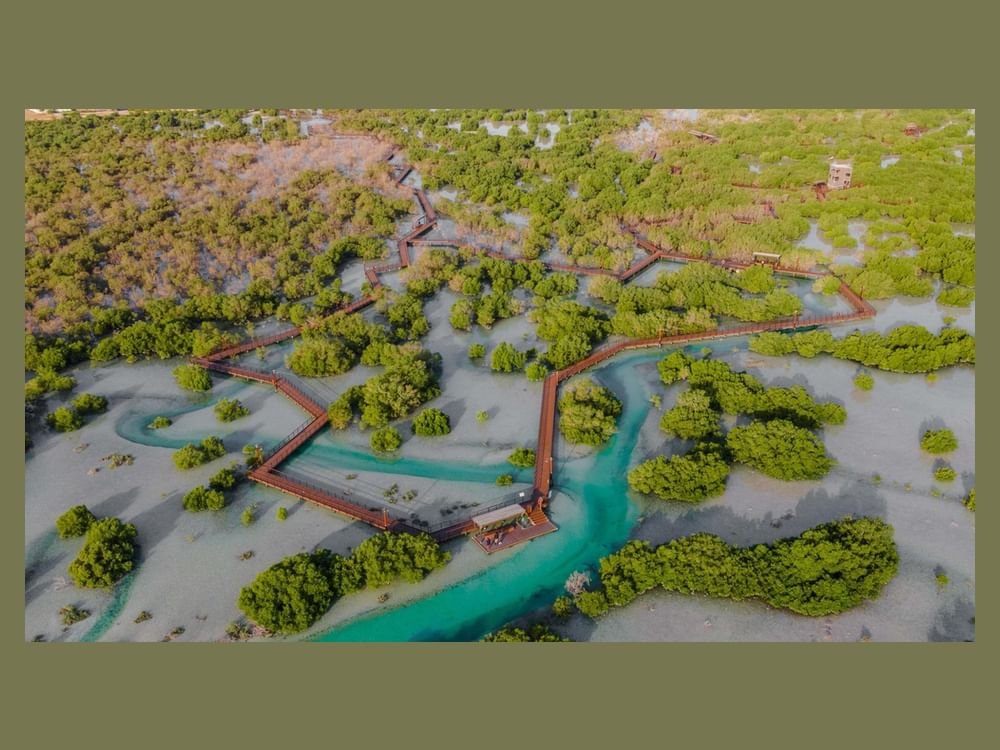
Additionally, the initiative integrates several supporting programs that leverage advanced technology and artificial intelligence applications for monitoring, analysis, and identifying optimal development sites. One major component includes a coral reef cultivation initiative targeting 4 million planted coral pieces. Meanwhile, the Mangrove – Abu Dhabi initiative aims to plant 50 million mangrove trees by 2030, creating interconnected coastal ecosystems that support marine life.
Building a Reference Model for Marine Sustainability
His Excellency Mohamed Ahmed Al Bowardi, Vice Chairman of the Board of Directors of the Environment Agency – Abu Dhabi, noted that the initiative extends the achievements in fisheries management. According to Al Bowardi, the remarkable increase in the sustainable fishing index from 8% to 100% over six years reflects the effectiveness of regulatory policies adopted by the emirate. He added that the initiative provides a comprehensive framework combining marine habitat protection with fish stock development, enhancing sustainable use of natural resources according to the highest global standards.
In contrast to traditional approaches, the initiative emphasizes science-based programs and quality implementation. Her Excellency Dr. Shaikha Salem Al Dhaheri, Secretary General of the Environment Agency – Abu Dhabi, explained that expanding the network of natural reserves to cover 20% of the emirate’s area forms a fundamental pillar of the initiative. This expansion provides effective protection for sensitive habitats and enhances their regeneration capacity through regulated fishing practices and fish stock development programs.
The initiative reinforces Abu Dhabi’s position as a global reference in sustainable natural resource management through enhanced scientific monitoring and evaluation programs. However, authorities have not yet announced specific timelines for intermediate milestones before the 2030 target date, though ongoing partnerships with local and international entities continue to support long-term marine ecosystem conservation and food security objectives.