


Listen to the article
The United Arab Emirates has expanded its network of protected natural areas to 50 terrestrial and marine reserves by the end of 2024, marking a strategic approach to combat climate change and preserve biodiversity across the nation. According to the Federal Competitiveness and Statistics Centre, these natural reserves in UAE are distributed throughout the country’s diverse ecosystems, including vast deserts, rich coastal areas, and high mountain ranges.
The expansion reflects the leadership’s commitment to environmental conservation, particularly following directives from President Sheikh Mohamed bin Zayed Al Nahyan in October to increase Abu Dhabi’s protected areas to 20 percent of the emirate’s total area. This initiative brings the number of reserves under the Zayed Network for Natural Reserves to 26, covering more than 22,000 square kilometers.
Strategic Expansion of Natural Reserves in UAE
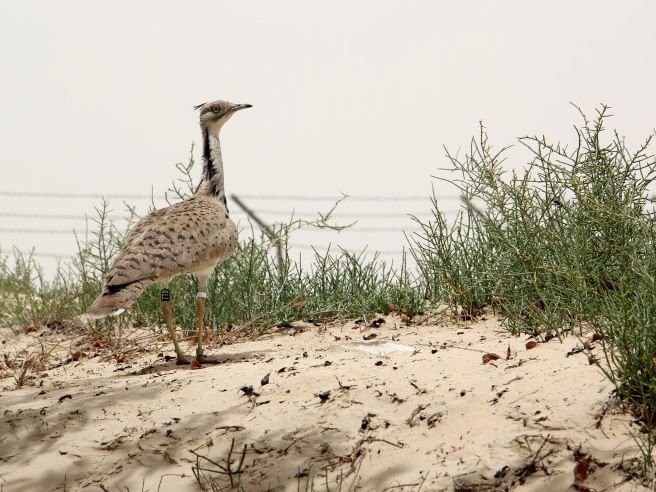
The significant increase in protected areas demonstrates the nation’s dedication to preserving rare and endangered species while supporting scientific research, ecological tourism, and environmental education programs. These reserves serve as critical habitats for numerous threatened species and contribute to maintaining the country’s natural heritage for future generations.
Additionally, the Zayed Network for Natural Reserves encompasses unique desert, coastal, and marine ecosystems throughout Abu Dhabi emirate. Notable sites include Al Wathba Wetland Reserve, Bu Tinah Island, Sir Bani Yas Island, Eastern Mangrove Reserve, and Jebel Hafit, all of which host some of the region’s rarest wildlife species.
Dubai’s International Recognition
Meanwhile, Dubai hosts several natural reserves in UAE, with three designated as wetlands of international importance under the Ramsar Convention. These include Ras Al Khor Wildlife Sanctuary, Jebel Ali Wildlife Sanctuary, and Hatta Mountain Reserve, which collectively support remarkable biodiversity.
According to available data, these reserves harbor 342 bird species, 46 mammal species, 51 reptile species, 315 plant species, 188 fish species, and 582 invertebrate species. This diversity underscores the ecological significance of protected areas across the emirates.
Sharjah and Northern Emirates Conservation Efforts
In Sharjah, Sir Bu Nair Island Reserve stands out as one of the emirate’s largest natural reserves, spanning four kilometers in a horseshoe shape. The reserve serves as a safe haven for endangered sea turtles, including hawksbill and green turtles, which nest on its beaches between March and June annually.
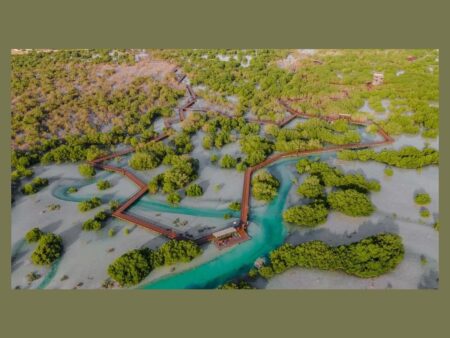
However, Ajman’s Al Zorah Reserve offers a different ecosystem, featuring enchanting mangrove forests across one million square meters. The reserve hosts more than 100 species of local and migratory birds, including year-round populations of pink flamingos and herons, according to local authorities.
Sustainable Tourism and Conservation Balance
Umm Al Quwain’s Mangrove Reserve exemplifies the integration of coastal ecosystem protection with optimal natural resource utilization and sustainable development. Haitham Sultan Al Ali, Director of the Department of Tourism and Antiquities in Umm Al Quwain, stated that the department continues its commitment to preserving and sustainably employing natural resources within the tourism sector.
In contrast, the reserve has witnessed several quality projects in recent years, including Casa Mikoko, Al Qarm Beach, and Lux Glamp, which offer diverse tourism experiences while maintaining the reserve’s environmental character. These initiatives demonstrate how conservation and economic development can coexist harmoniously.
Ras Al Khaimah Wildlife Protection
Ras Al Khaimah’s Khor Al Mazahmi Reserve extends across three kilometers and serves as habitat for environmentally significant species, including flamingos and osprey. Additionally, the reserve provides nesting and feeding grounds for green sea turtles, classified as endangered on the International Union for Conservation of Nature’s Red List.
Furthermore, the Environmental Protection and Development Authority in Ras Al Khaimah launched an osprey reintroduction project in early 2019. The initiative involved installing four wooden poles in different locations within the reserve to create nesting platforms that closely mimic natural habitats.
Advanced Technology in Reserve Management
Fujairah emirate contains several protected areas, most notably Wadi Wurayah National Park, the country’s first mountain reserve representing approximately 20 percent of the emirate’s area. The Fujairah Environment Authority employs smart and advanced technologies for managing natural reserves, including drones for monitoring natural habitats and detecting environmental violations.
In the same context, Al Faqit Reserve stands out for its exceptional biodiversity, with 360 documented species belonging to 12 taxonomic groups, including sea anemones and cnidarians. Researchers have also recorded 129 fish species within this marine protected area.
The continued expansion and technological enhancement of these reserves suggest ongoing development of conservation strategies across the UAE. Authorities have not specified a timeline for achieving future conservation targets, though the current trajectory indicates sustained commitment to environmental protection efforts.