


Listen to the article
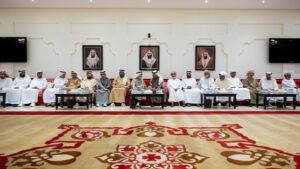
Lebanese President Joseph Aoun reaffirmed his commitment to disarming non-state actors, declaring that the decision to restrict weapons exclusively to state control is irreversible. During a meeting with members of the National Moderation Parliamentary Bloc in Beirut, Aoun emphasized efforts to restore security and stability in southern Lebanon following an anticipated Israeli withdrawal from occupied territories.
The president outlined his administration’s priorities, including conducting parliamentary elections on schedule and intensifying security measures in the south. According to a statement from the presidency, Aoun stressed the importance of completing the Lebanese army’s deployment along the entire southern international border after Israeli forces withdraw.
State Weapons Control Remains Priority
The Lebanese president’s stance on state weapons control represents a significant policy position amid ongoing regional tensions. His firm commitment to disarming militias and ensuring the Lebanese Armed Forces maintain exclusive authority over security matters signals a potential shift in the country’s security landscape.
During the meeting, discussions covered broader national issues and regional developments affecting Lebanon. The delegation also addressed specific needs of the Akkar region in northern Lebanon, highlighting the administration’s focus on both security concerns and domestic development priorities.
Israeli Actions Prompt International Complaint
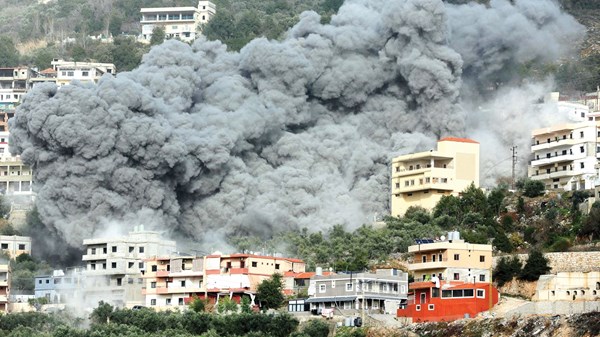
Meanwhile, Lebanon’s Ministry of Foreign Affairs announced plans to file a formal complaint with the United Nations Security Council against Israel. The complaint stems from allegations that Israeli forces sprayed toxic materials and pesticides on agricultural lands and orchards in several Lebanese villages.
According to the Foreign Ministry, authorities have initiated procedures to document these alleged Israeli violations. The ministry characterized the incidents as attacks on Lebanese agricultural property, adding another dimension to ongoing bilateral tensions between the two countries.
The reported spraying of harmful substances on farmland raises concerns about environmental damage and economic impact on Lebanese farmers. However, Israeli authorities have not yet responded to these allegations, and independent verification of the incidents remains pending.
Security Transition in Southern Lebanon
The president’s focus on security stabilization in southern Lebanon comes at a critical juncture for the country. The complete deployment of Lebanese Armed Forces to the southern border represents a key element in establishing state authority throughout national territory.
Additionally, Aoun’s insistence on holding parliamentary elections as scheduled demonstrates his commitment to democratic processes despite ongoing security and economic challenges. The elections timeline remains unchanged according to the presidential statement, though specific dates were not mentioned in the announcement.
In contrast to previous administrations, the current leadership appears determined to enforce exclusive state control over weapons and military operations. This policy stance on weapons control could have significant implications for various armed groups operating within Lebanese territory.
The coordination between civilian government authority and military deployment in southern regions will be crucial for implementing the president’s security vision. Regional observers note that successful implementation depends on both domestic political consensus and international support for Lebanese sovereignty.
The Foreign Ministry’s documentation process and planned Security Council complaint will likely take several weeks to complete. The international community’s response to Lebanon’s allegations against Israel remains to be seen, as does any potential investigation into the reported use of toxic materials on agricultural lands.