


Listen to the article
Taiwan Semiconductor Manufacturing Company has announced plans to mass produce advanced 3-nanometre chips at its facility in Kumamoto, Japan, marking a significant expansion of the chipmaker’s global manufacturing footprint. TSMC CEO CC Wei revealed the decision on Thursday during a meeting with Japanese Prime Minister Sanae Takaichi in Tokyo, with local media reporting the investment could reach approximately $17 billion. The move comes as the world’s largest contract chipmaker responds to surging demand for artificial intelligence chips used in high-performance computing applications.
The production of 3-nanometre chips will take place at TSMC’s second fabrication facility in Kumamoto, located in southern Japan. This represents a notable shift from the company’s previous plans for Japan, which had focused on manufacturing less advanced chip technologies. According to the company, the decision to upgrade the facility’s capabilities stems from strong market demand driven by artificial intelligence applications.
Advanced Chip Manufacturing Expands Beyond Taiwan
TSMC currently produces its most advanced chips exclusively in Taiwan, serving as a critical supplier to major technology companies including Nvidia. The Kumamoto facility will become the newest location globally for producing high-end 3-nanometre chips, which are essential components in AI servers and high-performance computing systems. Additionally, the company has scheduled the start of 3-nanometre chip production at its second Arizona fabrication plant for 2027.
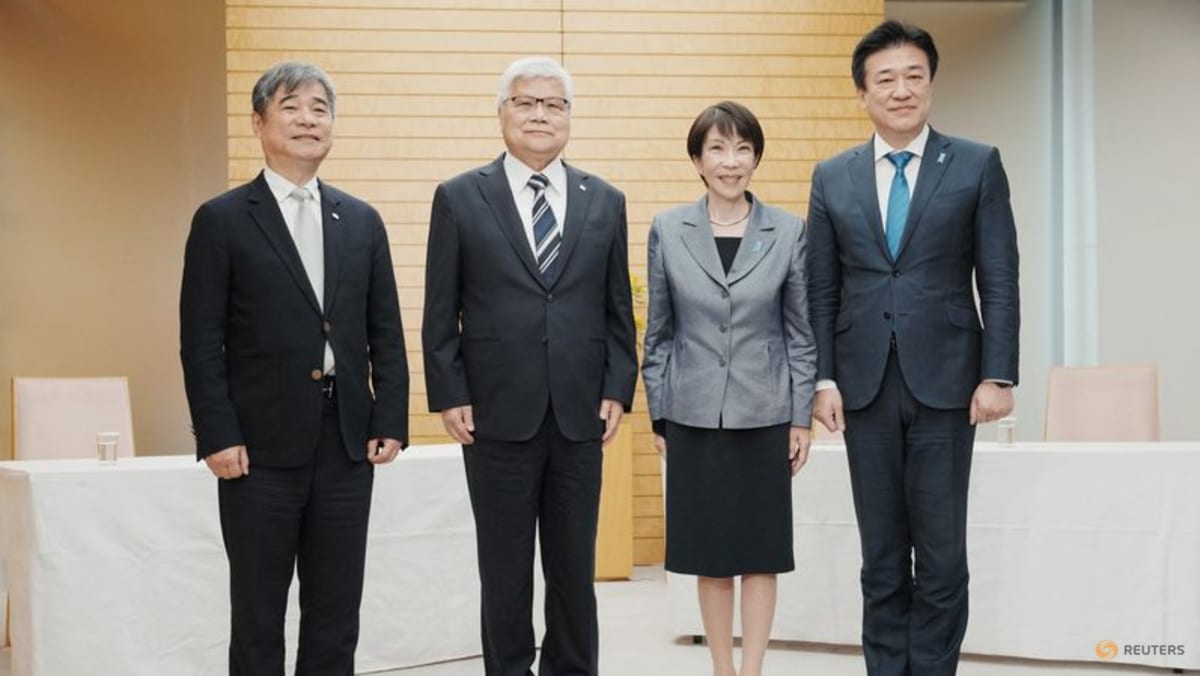
During the Tokyo meeting, Wei emphasized the strategic importance of the investment for Japan’s technology sector. “We believe this fab will further contribute to the local economic growth and, most importantly, form a foundation for Japan’s AI business,” the CEO stated. He also indicated that TSMC is engaging in discussions with Japanese customers and partners regarding additional collaboration opportunities across multiple sectors crucial to the AI industry.
Economic Security and AI Demand Drive Investment
Prime Minister Takaichi highlighted the significance of 3-nanometre chips for Japan’s economic security during the announcement. The advanced semiconductor technology has become increasingly vital as nations seek to secure domestic access to critical chip manufacturing capabilities. Meanwhile, the artificial intelligence boom has positioned TSMC as Asia’s most valuable listed company, helping the chipmaker maintain its competitive advantage over rivals in the global semiconductor industry.
In a statement to Reuters, TSMC confirmed it is planning to use 3-nanometre process technology for production at its second Japanese fabrication facility. The company directly attributed this technological upgrade to the strong demand generated by artificial intelligence applications. However, specific timelines for when mass production will commence at the Kumamoto facility were not disclosed in the announcement.
Japan Joins Elite Group of 3-Nanometre Chip Producers
The decision places Japan among a select group of locations capable of producing the most advanced commercial semiconductors available. The technology represents a significant leap in chip miniaturization, allowing for greater processing power and energy efficiency in computing devices. These characteristics make 3-nanometre chips particularly valuable for AI servers that require substantial computational capabilities while managing power consumption and heat generation.
The expanded investment in Japan also reflects TSMC’s broader strategy of geographic diversification in response to geopolitical considerations and customer demands. By establishing advanced manufacturing capabilities outside Taiwan, the company aims to provide supply chain resilience for customers while addressing concerns about semiconductor supply security among major economies.
TSMC has not yet announced a specific timeline for when the Kumamoto facility will begin mass production of 3-nanometre chips or provided detailed information about production capacity targets. Further details regarding the collaboration discussions with Japanese partners and customers are expected to be revealed as negotiations progress.