



Listen to the article
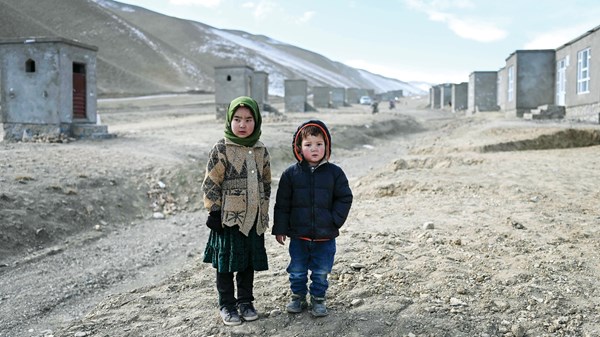
Afghan authorities reported that children accounted for two-thirds of all casualties from unexploded ordnance in Afghanistan last year, highlighting the ongoing dangers from decades of conflict. The alarming statistics underscore the severe threat that remnants of war continue to pose to the civilian population, particularly the country’s most vulnerable residents.
Mohammad Yousuf Hamad, spokesman for the National Disaster Management Authority, stated that 193 explosions caused by leftover ordnance resulted in 87 deaths and injured 333 others across the country. He confirmed that children represented 67.5 percent of these casualties, a figure that has raised international concern about the protection of minors in post-conflict zones.
Unexploded Ordnance in Afghanistan Remains Widespread Problem
The issue of unexploded ordnance in Afghanistan stems from more than four decades of continuous warfare, including the Soviet invasion, civil war, and prolonged insurgency. Landmines, unexploded shells, and other remnants of explosive weapons remain scattered throughout the countryside and even in populated areas. These devices pose a constant threat to civilians going about their daily activities, from farming to children playing outdoors.
According to the Afghan official, clearance teams managed to decontaminate 58 square kilometers of land containing mines and unexploded ordnance during the past year. Additionally, authorities successfully neutralized 24,720 landmines and conducted awareness programs that reached more than two million people about the risks associated with these hazardous materials.
International Recognition of Afghanistan’s Explosive Remnants Crisis
The United Nations Assistance Mission in Afghanistan (UNAMA) stated that Afghanistan has the third-highest rate of casualties from explosive remnants of war globally. The UN mission emphasized that unexploded ordnance remains widespread throughout the country, affecting both rural and urban communities. This assessment places Afghanistan alongside other heavily contaminated nations struggling with similar post-conflict challenges.
The disproportionate impact on children reflects several factors, according to humanitarian organizations working in the region. Children are naturally curious and may not recognize the danger posed by unfamiliar objects they encounter. Furthermore, poverty often drives children to collect scrap metal for income, bringing them into contact with potentially explosive materials.
Clearance Efforts Face Significant Challenges
Despite ongoing demining operations, the scale of contamination presents enormous challenges for clearance teams. Limited resources, difficult terrain, and the sheer volume of unexploded ordnance scattered across the country mean that complete clearance could take decades. However, awareness campaigns have proven effective in reducing casualties by educating communities about how to identify and avoid dangerous items.
The National Disaster Management Authority’s efforts to expand public education programs represent a critical component of reducing civilian casualties. These initiatives teach communities to recognize warning signs of contaminated areas and establish proper reporting procedures when suspected ordnance is discovered. Meanwhile, international humanitarian organizations continue to support clearance operations through funding and technical expertise.
Experts note that children’s vulnerability to unexploded ordnance underscores the urgent need for expanded protective measures and accelerated clearance activities. In contrast to conventional threats, explosive remnants of war can remain dangerous for decades, creating a legacy of violence that extends long after active hostilities cease. The psychological impact on communities living with this constant threat adds another dimension to the humanitarian crisis.
Authorities have not announced specific targets for expanding clearance operations in the coming year, though humanitarian organizations continue to advocate for increased international support. The timeline for rendering Afghanistan’s contaminated areas safe remains uncertain, with progress dependent on sustained funding and security conditions that allow clearance teams to operate effectively.