



Listen to the article
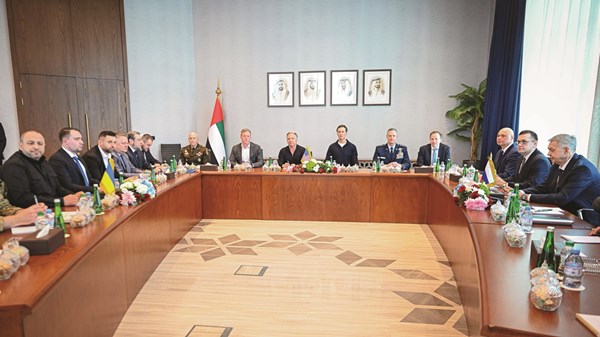
Negotiations aimed at ending the war in Ukraine took place this week in Abu Dhabi, bringing together Russian, Ukrainian, and American delegations for two days of intensive discussions. The Kremlin announced that the talks, held under American sponsorship in the United Arab Emirates, were constructive and will continue in the future.
Kremlin spokesman Dmitry Peskov confirmed that two days of constructive yet extremely difficult work were completed during the Abu Dhabi peace talks. According to Peskov, Russian and American negotiators discussed the settlement process while Ukrainian representatives participated in the trilateral meetings focused on achieving a peaceful resolution to the ongoing conflict.
Abu Dhabi Peace Talks Address Nuclear Arms Control
In addition to Ukraine-related discussions, the Kremlin revealed that Russian and American negotiators addressed the impending expiration of the last remaining nuclear arms control agreement between the two countries. The delegations agreed on the urgent need to launch new arms control negotiations, marking a significant development beyond the primary focus on Ukraine.
However, Peskov emphasized the challenging nature of the discussions despite their constructive tone. The complexity of the negotiations reflects the deep divisions between the parties regarding the terms of a potential settlement and the broader geopolitical tensions that have characterized relations between Russia and Western nations since the conflict began.
United Arab Emirates as Neutral Ground
The choice of Abu Dhabi as the venue for these critical negotiations underscores the United Arab Emirates’ growing role as a diplomatic facilitator in international conflicts. The Gulf nation has maintained relations with both Russia and Western countries, positioning itself as a potential mediator capable of hosting sensitive discussions.
Meanwhile, the participation of American representatives in the talks signals continued Western involvement in seeking a diplomatic solution to the Ukraine crisis. The trilateral format of the negotiations provides a framework for direct communication between the conflicting parties while allowing for third-party mediation.
Implications for Future Diplomacy
The constructive characterization of the Abu Dhabi peace talks represents a potentially positive development after months of stalled diplomatic efforts. Nevertheless, the Kremlin’s acknowledgment of the difficulties involved suggests that significant obstacles remain before any concrete agreement can be reached.
Additionally, the parallel discussions on nuclear arms control indicate that both Russia and the United States recognize the importance of maintaining strategic stability even amid ongoing tensions. The expiration of existing arms control treaties has raised concerns among international security experts about the risk of an unchecked nuclear arms race.
In contrast to previous diplomatic initiatives, the Abu Dhabi meetings appear to have created a channel for ongoing dialogue rather than a one-time event. According to the Kremlin spokesman, the work will continue, suggesting that follow-up sessions may be scheduled in the coming weeks or months.
The negotiations come at a critical juncture as the conflict in Ukraine continues with no clear end in sight. Both sides have faced mounting pressures from various quarters to find a diplomatic solution, though fundamental disagreements over territorial issues and security guarantees have repeatedly derailed previous peace efforts.
The Kremlin has not confirmed specific timelines for future negotiation rounds or disclosed details about the substantive proposals discussed during the Abu Dhabi meetings. Authorities from all three participating countries have maintained discretion regarding the content of the talks, likely to preserve the fragile diplomatic progress achieved.