



Listen to the article
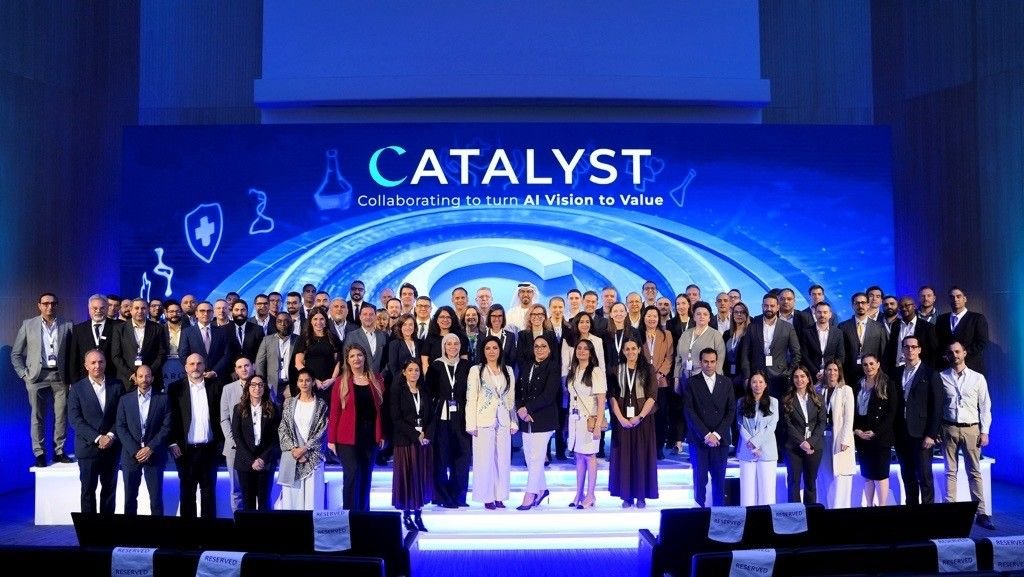
A high-level healthcare summit brought together global leaders in health, government, academia, and industry to explore responsible artificial intelligence deployment in healthcare systems across the Middle East and beyond. Organized by Arcera, a global life sciences company, the artificial intelligence in healthcare forum took place on February 5, 2026, at New York University Abu Dhabi in the United Arab Emirates.
The event was held as part of the UAE Innovates Month, an initiative aimed at reinforcing the Emirates’ position as a global innovation hub. According to the organizers, participating entities included ADQ Holding, Mohamed bin Zayed University of Artificial Intelligence, Abu Dhabi Department of Health, Dubai Health, Deloitte, Microsoft, IQVIA, Pure Health, and Salesforce.
Advancing Artificial Intelligence in Healthcare Systems
Participants discussed strategies to transform artificial intelligence from concept to practical application, focusing on improving clinical outcomes, enhancing medical system efficiency, and facilitating patient access to personalized care. The forum aligns with the UAE’s national strategies for artificial intelligence and digital health, which aim to support responsible innovation and build globally competitive healthcare capabilities, according to the event materials.
Discussions emphasized that healthcare system resilience now extends beyond crisis management to encompass integrated ecosystems for research, development, and manufacturing. These systems require effective partnerships between government agencies, academic institutions, the private sector, and regulatory bodies, participants noted.
Building Trust Through Digital Infrastructure
Isabel Afonso, Chief Executive Officer of Arcera, stated that strengthening healthcare resilience today requires investment in scientific depth, digital infrastructure, and human capacity development to ensure improved patient outcomes in both the near and long term. She explained that Arcera’s commitment stems from a long-term vision for building a healthy and sustainable future.
Additionally, Afonso described artificial intelligence and digital technologies as enablement tools supporting various aspects of the healthcare ecosystem, including research, discovery, manufacturing, supply chains, and customer engagement. She emphasized that realizing the true benefits of these technologies depends on building trust, establishing clear governance frameworks, and enhancing collaboration among different stakeholders.
Strategic Development and Regional Competitiveness
Dr. Yap Kalkman, Chairman of the Board at Arcera, indicated that the company’s strategic evolution reflects Abu Dhabi’s ambition to establish itself as a global center for sustainable healthcare. He explained that ADQ Holding focuses on building a healthcare sector characterized by competitiveness, technological advancement, and sustainability.
Meanwhile, Kalkman confirmed that the company’s investment in innovation, talent development, and future capabilities ensures the construction of an advanced health sector that not only meets market needs but contributes to shaping its future. However, he did not provide specific investment figures or timelines.
Academic Collaboration and Responsible AI Adoption
Arly Peters, Vice President of New York University Abu Dhabi, stressed the important academic role in adopting modern technologies, affirming the university’s commitment to developing knowledge and innovation to achieve tangible positive impact. He noted that hosting pivotal events of this nature reflects the university’s role as a global center for research, education, and dialogue on technology’s societal impact.
In contrast to purely commercial approaches, Peters expressed the university’s pride in collaborating with Arcera and various healthcare ecosystem stakeholders to contribute to establishing a responsible, evidence-based approach to deploying machine learning healthcare applications. This approach aims to enhance system efficiency, build local capabilities, and improve patient outcomes across the region, according to his remarks.
The summit participants did not announce specific implementation timelines or follow-up initiatives, though the emphasis on ongoing collaboration suggests continued dialogue between the public and private sectors. Further developments regarding concrete artificial intelligence healthcare projects emerging from these discussions remain to be announced by the participating organizations.