



Listen to the article
Air travel passengers face increased risks of blood clots during flights, and medical experts are warning travelers to avoid a common leg position that can significantly elevate this danger. A pulmonary and critical care specialist recently highlighted how crossing legs on flights can impede proper blood circulation and contribute to potentially life-threatening deep vein thrombosis.
Dr. Nina Chandrasekharan, a physician specializing in pulmonary medicine and intensive care, shared important safety information through her TikTok account to raise awareness about this widespread mistake. According to the specialist, the risk of developing blood clots increases substantially during air travel due to changes in atmospheric pressure at high altitudes, which can trigger inflammatory responses in the body that promote clot formation, particularly in the lower extremities.
Why Crossing Legs During Flights Increases Blood Clot Risk
Despite the cramped legroom many passengers experience on aircraft, Dr. Chandrasekharan emphasized that crossing one leg over the other represents the worst possible position for travelers. The position creates dangerous compression of blood vessels, according to the medical expert, which restricts proper blood flow through the veins and increases the likelihood of clot development.
The atmospheric pressure at cruising altitude differs dramatically from conditions at ground level, creating an environment that makes blood clot formation more likely. This physiological stress combines with restricted movement and prolonged sitting to create what specialists call economy class syndrome, a condition linked to deep vein thrombosis in air travelers.
Preventive Measures to Reduce Flight-Related Blood Clots
To minimize the dangers associated with air travel and blood clot formation, Dr. Chandrasekharan recommends several practical interventions. Compression stockings worn throughout the flight provide continuous support to leg veins and help maintain healthy circulation, according to the specialist.
Additionally, passengers should make efforts to walk through the cabin periodically and move their bodies regularly during longer flights. These simple movements help prevent blood stagnation and keep circulation flowing properly through the legs and throughout the body.
Light exercises performed while seated can also provide significant benefits for travelers concerned about blood clot risk. Ankle rotations, calf raises, and gentle leg extensions all contribute to maintaining blood flow without requiring passengers to leave their seats.
Balancing Rest and Movement on Long Flights
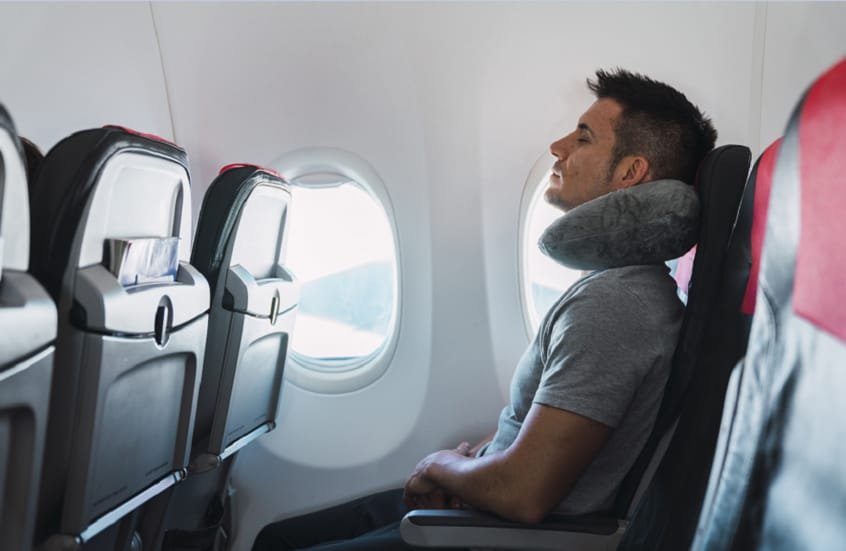
Meanwhile, aviation health experts note that brief naps during flights can help passengers feel refreshed and maintain focus without creating the sluggishness associated with extended sleep periods. However, the key lies in limiting sleep duration to avoid deeper sleep stages.
According to research from Harvard University, short power naps allow both body and mind to rest without entering deep sleep phases. In contrast, sleeping for extended periods during flights may lead to sleep inertia, a temporary state of drowsiness and slowed reactions that can persist for thirty to sixty minutes after waking.
Understanding the Inflammatory Response at High Altitude
The inflammatory state triggered by reduced atmospheric pressure represents a significant factor in flight-related blood clot formation. This biological response, combined with dehydration common among air travelers and the immobility of long flights, creates multiple risk factors that compound one another.
Furthermore, certain passengers face elevated risks beyond the general flying population, including individuals with previous clotting disorders, recent surgery patients, pregnant women, and those taking hormonal medications. These groups should consult healthcare providers before flying and consider additional preventive measures.
Medical professionals continue to emphasize the importance of awareness regarding in-flight health risks, though specific guidelines for individual travelers may vary. Passengers concerned about their personal risk factors should discuss prevention strategies with their physicians before booking long-haul flights, particularly those lasting more than four hours.