


Listen to the article
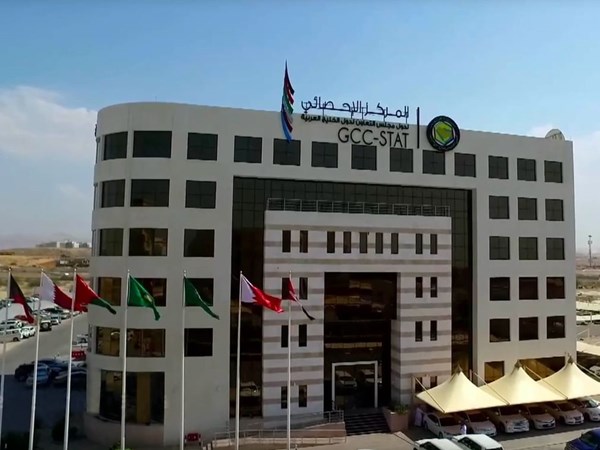
The Statistical Centre for the Cooperation Council for the Arab States of the Gulf (GCC-Stat) has released the tenth edition of the GCC Statistical Atlas 2024, providing comprehensive data to support decision-makers and researchers across the Gulf region. According to the centre, the GCC Statistical Atlas aims to strengthen statistical integration among member states while serving as a critical tool for policy formulation and future planning through standardized and comparable data.
The atlas presents an integrated overview of demographic, economic, social, and environmental conditions across GCC countries by linking statistical indicators with geographic and spatial mapping. Officials stated that the publication reflects development realities across the Gulf Cooperation Council states and enhances the role of official statistics in shaping regional policies.
Jassim Mohammed Al-Budaiwi, Secretary General of the Gulf Cooperation Council, emphasized that accurate and reliable statistics constitute a fundamental pillar for sound planning and decision-making. He noted that developing statistical work and enhancing integration among member states supports comprehensive development paths and strengthens the competitive capacity of Gulf economies.
GCC Statistical Atlas Introduces Innovative Data Presentation
Intisar bint Abdullah Al-Wahibiya, Director General of the GCC Statistical Centre, explained that the atlas employs an innovative approach to data presentation through the integration of statistical indicators with geographic information systems. This methodology enables deeper data analysis and serves a wide range of users including government entities, the private sector, media outlets, researchers, and the general public.
The publication provides a more comprehensive understanding of regional trends by combining traditional statistics with spatial visualization techniques. According to Al-Wahibiya, this approach facilitates better interpretation of complex data patterns across different Gulf states.
Population and Demographic Indicators
The atlas revealed that the total population of GCC countries reached approximately 61.5 million people in 2024, with a population density of 25.5 persons per square kilometer. Youth aged 15-34 years constitute a significant demographic segment, reflecting the youthful character of Gulf societies.
Additionally, the publication highlighted developments in vital indicators including fertility rates, mortality rates, and natural population growth. These demographic trends provide valuable insights for long-term planning and resource allocation across member states.
Economic Performance and Trade Data
On the economic front, the GCC Statistical Atlas indicated that the gross domestic product of GCC countries at current prices reached approximately 2.3 trillion dollars. The average per capita GDP stood at around 38,200 dollars, while the general GCC inflation rate registered 1.7 percent, reflecting relative price stability throughout 2024.
In terms of foreign trade, the report showed that the volume of merchandise trade exchange for GCC countries reached approximately 1.6 trillion dollars. The member states achieved a merchandise trade surplus of 109.7 billion dollars, demonstrating robust trade performance and the continued central role of Gulf countries in global trade movements.
Energy, Environment, and Infrastructure Statistics
The atlas addressed energy and environmental statistics, highlighting the global position of GCC countries in crude oil and natural gas production and reserves. The publication also presented indicators on electricity production and consumption, water usage, and wastewater reuse, reflecting efforts to enhance resource efficiency and environmental sustainability.
Meanwhile, the tourism, transport, and communications section showcased data on inbound tourism, tourism revenues, and hotel establishments. Infrastructure indicators covered mobile phone subscriptions, fixed telephone lines, and traffic accidents, demonstrating infrastructure development and improved service levels across Gulf states.
The Statistical Centre for the Cooperation Council has not announced the publication schedule for future editions, though annual updates are expected to continue supporting regional development planning and statistical harmonization efforts.