
Listen to the article
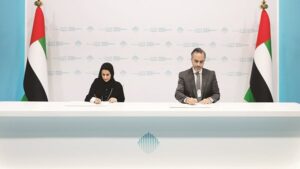
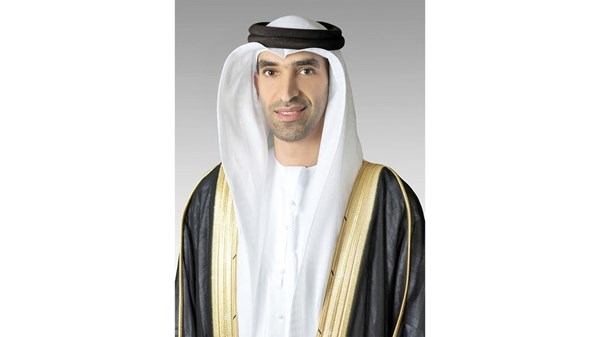
The United Arab Emirates and the Republic of Gabon have signed a comprehensive economic partnership agreement that marks a significant milestone in strengthening bilateral trade and investment relations. According to Dr. Thani bin Ahmed Al Zeyoudi, UAE Minister of Foreign Trade, the UAE-Gabon economic partnership agreement represents a qualitative step forward in enhancing economic cooperation between the two nations and opens new opportunities for joint investment in priority sectors including mining, food production, and services.
In a statement to the Emirates News Agency, the minister emphasized that Gabon is emerging as a promising economic partner for the UAE. The Central African nation’s economy demonstrates stable growth fundamentals, with its gross domestic product reaching approximately 20.6 billion dollars in 2024 and growth projections of around 3 percent expected for 2025.
Gabon’s Resource-Rich Economy Attracts UAE Investment
Natural resources form the backbone of Gabon’s economy, with raw materials accounting for more than 90 percent of total exports. The country’s export portfolio includes oil and petroleum products, manganese used in steel manufacturing and fertilizer production, timber and forest products, and agricultural commodities such as cocoa, coffee, palm oil, and rubber.
Additionally, Gabon launched an ambitious Accelerated Transformation Plan in 2021 valued at 5.5 billion dollars. According to Al Zeyoudi, this initiative aims to promote economic diversification and stimulate non-oil sectors through targeted investments in mining, forestry, and agriculture while prioritizing infrastructure development, digitalization, education, skills development, and business environment improvements.
Non-Oil Trade Between UAE and Gabon Shows Strong Growth
The comprehensive economic partnership agreement will strengthen the UAE’s presence in the resource-rich and high-potential West African region while supporting bilateral trade growth. Non-oil trade between the two countries reached approximately 320.7 million dollars in 2025, recording growth compared to 2024 and more than double the value registered in 2021, the minister reported.
Meanwhile, Gabon’s primary non-oil exports to the UAE include manganese, rubber, and timber products. The agreement is designed to eliminate or reduce customs duties, minimize unnecessary trade barriers, and expand market access for services exports while establishing a framework for digital trade and creating clear dispute resolution mechanisms.
UAE-Gabon Economic Partnership Agreement to Enhance Regional Trade Hub Status
The minister explained that the agreement will enhance the UAE’s position as a global supply chain hub and a key connection point between the Arab world, Europe, Asia, and Africa. Furthermore, it will support cooperation between private sectors in multiple service industries including logistics, construction, engineering, healthcare, education, environmental services, financial services, and telecommunications.
In contrast to traditional trade agreements, this comprehensive partnership extends beyond goods to encompass a wide range of service sectors. The framework aims to create a more predictable and transparent business environment that encourages mutual investment flows between the two nations and supports their respective economic transformation goals.
Implementation Timeline and Expected Benefits
Regarding the agreement’s entry into force, Al Zeyoudi clarified that both parties will proceed with ratification procedures following the signing. The UAE-Gabon economic partnership agreement will enter into effect after completion of ratification processes by both sides, though specific timelines were not confirmed.
However, the minister indicated that benefits will begin to materialize immediately upon implementation through simplified customs procedures, reduced tariffs, and enhanced market access for goods and services. These measures are expected to support shared economic growth and strengthen the strategic partnership between the United Arab Emirates and the Republic of Gabon.
Both countries will now focus on completing their respective domestic ratification processes, though authorities have not confirmed a specific deadline for when the agreement will become operational.