


Listen to the article
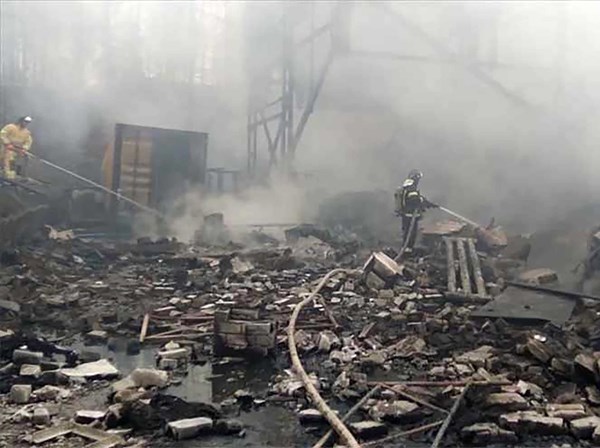
Local authorities in Shanxi Province, northern China, confirmed this morning that eight people have died following an explosion at a biotechnology plant on Saturday. The fatal incident occurred in Shuoyang, according to official statements released by provincial officials.
Chinese media outlets reported that the explosion took place in the early morning hours on Saturday at the facility. Authorities have not yet disclosed the identities of the victims or provided information about potential injuries among other workers at the plant.
Investigation Into Biotechnology Plant Explosion Underway
The cause of the deadly blast at the biotechnology facility remains under investigation, with local officials working to determine what triggered the incident. Biotechnology plants often handle hazardous materials and volatile substances that require strict safety protocols to prevent accidents. However, authorities have not confirmed whether chemical materials or equipment failure played a role in this particular explosion.
Shanxi Province has experienced industrial accidents in the past, given its heavy concentration of manufacturing and chemical processing facilities. The region’s industrial sector contributes significantly to China’s economy, but safety concerns at manufacturing plants have drawn increased scrutiny in recent years.
Safety Standards at Industrial Facilities Under Review
Additionally, this incident highlights ongoing concerns about workplace safety standards across China’s industrial sector. The biotechnology industry, while generally considered less hazardous than coal mining or heavy chemical production, still poses risks when proper safety measures are not maintained or equipment malfunctions occur.
Chinese authorities have implemented stricter regulations for industrial facilities following previous fatal accidents. Meanwhile, enforcement of these safety standards varies across different provinces and types of manufacturing operations. The government has pledged to hold companies accountable when negligence or safety violations contribute to workplace deaths.
In contrast to some previous industrial accidents, officials moved relatively quickly to confirm the death toll from the Shuoyang explosion. Transparency in reporting industrial accidents has improved in China over the past decade, though critics argue more comprehensive safety reforms remain necessary.
Impact on Local Community and Workers
The explosion has undoubtedly affected the local community in Shuoyang, where residents and families await further information about the victims and circumstances surrounding the blast. Furthermore, workers at similar biotechnology facilities throughout the province may face heightened anxiety about their own workplace safety conditions.
According to media reports, the facility was operational at the time of the explosion, suggesting workers were present during their regular shift. The early morning timing of the incident may have limited the number of people at the plant, potentially preventing a higher casualty count.
Authorities Examine Compliance with Safety Regulations
Provincial officials will likely examine whether the biotechnology plant was in compliance with current safety regulations and whether any violations contributed to the fatal explosion. These investigations typically take weeks or months to complete as experts analyze physical evidence, interview witnesses, and review operational records.
Companies found responsible for safety failures that result in worker deaths often face significant fines, operational suspensions, and criminal charges against management. The Chinese government has emphasized accountability for industrial accidents as part of broader efforts to improve workplace safety nationwide.
Authorities have not announced a timeline for completing the investigation into the explosion or indicated when findings will be made public. Officials also have not confirmed whether the biotechnology facility will remain closed during the investigation or what measures might be required before operations could resume.