


Listen to the article
Portuguese voters are heading to polling stations for a presidential runoff election as a powerful Atlantic storm batters the country. Approximately 11 million eligible voters are called to cast their ballots to determine the successor to outgoing conservative President Marcelo Rebelo de Sousa, who has led the southwestern European nation since 2016.
Polling stations are scheduled to close at 7 p.m. local time (1900 GMT), with voting in the westernmost Azores islands continuing for an additional hour. According to recent polling data, center-left Socialist Party candidate António José Seguro is projected to secure a decisive victory in the Portuguese presidential runoff.
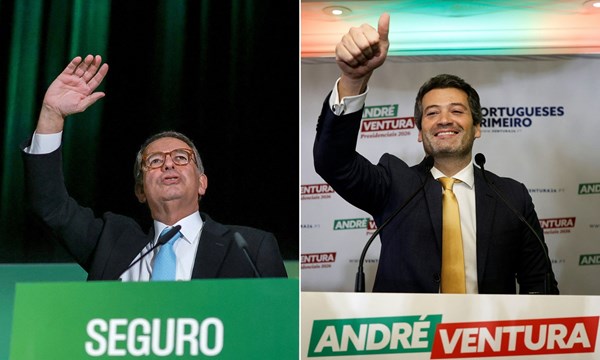
Leading Candidates in Portugal Presidential Runoff
Seguro, 77, representing the Socialist Party, is expected to capture up to two-thirds of the vote, according to pre-election surveys. His opponent, 43-year-old André Ventura, a right-wing populist candidate, is projected to receive approximately 34 percent of ballots cast.
The runoff became necessary after the first round of voting held three weeks ago failed to produce an outright winner. In that initial round, Seguro secured the largest share of votes at 31 percent but fell short of the absolute majority required to avoid a second round.
Storm Conditions May Impact Voter Turnout
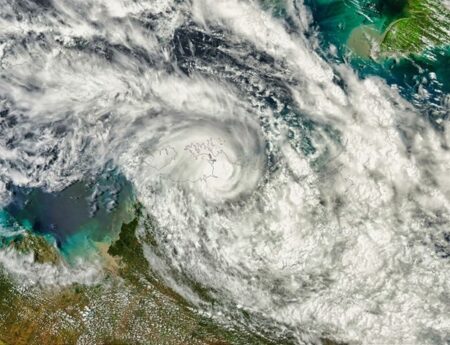
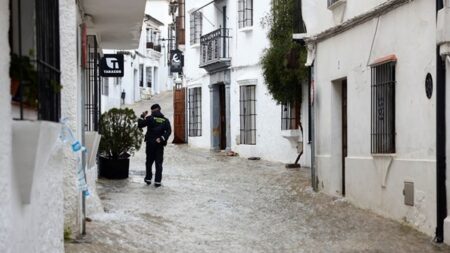
Election officials anticipate lower voter participation in the Portuguese presidential runoff compared to the first round, primarily due to severe weather conditions. Portugal and parts of neighboring Spain have been struck by a series of intense Atlantic storms in recent days, creating challenging conditions for voters attempting to reach polling locations.
The extreme weather represents an additional obstacle for election organizers already managing the logistics of a nationwide vote. However, authorities have not announced any plans to postpone or extend the voting period despite the adverse conditions affecting transportation and accessibility across the country.
Political Context and Presidential Powers
The Portuguese presidency is a largely ceremonial role, though the position carries significant constitutional powers. The president can dissolve parliament, veto legislation, and serves as commander-in-chief of the armed forces. Additionally, the president plays an important role in forming governments following parliamentary elections.
Seguro’s Socialist Party affiliation aligns him with Portugal’s current governing coalition, though the presidential position is expected to maintain political independence. In contrast, Ventura represents a growing populist movement that has gained traction in Portuguese politics in recent years, challenging the traditional dominance of centrist parties.
Meanwhile, outgoing President Rebelo de Sousa, who could not seek another term due to constitutional term limits, leaves office after nearly a decade of service. His tenure saw Portugal navigate economic challenges, the COVID-19 pandemic, and evolving European Union dynamics.
Implications for Portuguese Governance
The outcome of this election will shape Portugal’s political landscape for the next several years. A Seguro victory would likely maintain continuity in Portugal’s centrist political orientation and its commitment to European integration. Conversely, a surprise Ventura win could signal a significant shift toward nationalist and populist policies.
International observers are monitoring the race closely as part of broader trends in European politics. The performance of populist candidates across the continent has raised questions about the stability of traditional political alignments and the future direction of EU member states.
The winner of the Portuguese presidential runoff is scheduled to take office on March 9, according to the constitutional timeline. Final results are expected to be announced shortly after polls close, though authorities have not confirmed whether weather-related delays might affect vote counting procedures.