





Listen to the article
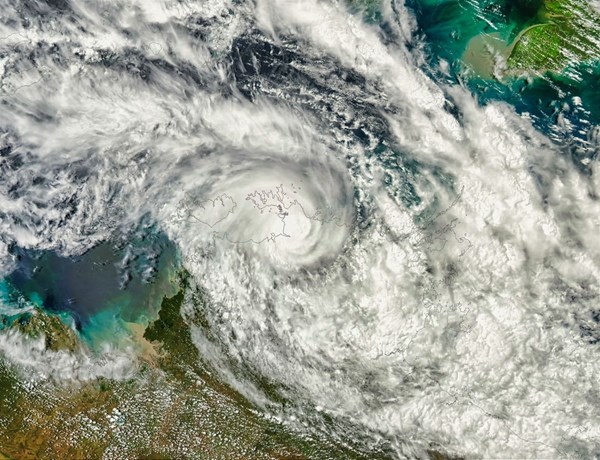
The Australian Bureau of Meteorology announced that Tropical Cyclone Mitchell has intensified to a Category 3 system as it approaches the northwest coast, threatening the remote Pilbara region that hosts Port Hedland, the world’s largest iron ore export hub. According to the bureau, the cyclone is now accompanied by wind speeds reaching approximately 195 kilometers per hour.
Pilbara Ports Authority reported the closure of Port Hedland and several neighboring ports, including Ashburton, Cape Preston West, Dampier, and Varanus Island, as the cyclone nears Australia’s western coastline. The bureau has warned that the system is expected to make landfall within the coming hours between the coastal towns of Exmouth and Onslow.
Tropical Cyclone Mitchell Poses Significant Threat to Infrastructure
The Australian Bureau of Meteorology cautioned that tropical cyclone systems of this intensity can cause extensive damage to buildings, crops, and trees throughout affected areas. Additionally, authorities have warned residents to prepare for potential widespread power outages as the storm system moves inland.
The Pilbara region, while sparsely populated, represents a critical economic zone for Australia due to its concentration of mining operations and export facilities. Port Hedland alone handles hundreds of millions of tons of iron ore annually, making it a vital link in global steel production supply chains.
Impact on Global Iron Ore Trade
The closure of Port Hedland and surrounding ports has significant implications for international commodity markets. However, the duration of the shutdown remains unclear as authorities assess the cyclone’s path and intensity.
Mining companies operating in the region typically implement pre-cyclone protocols that include securing equipment, evacuating non-essential personnel, and suspending operations until conditions improve. Meanwhile, shipping vessels in the area have been diverted or secured in safe harbors to avoid the storm’s impact.
The Australian Bureau of Meteorology indicated that Category 3 cyclones represent a serious weather event, with destructive winds capable of causing major structural damage. In contrast to lower-category systems, these storms pose heightened risks to both property and human safety across wide areas.
Regional Response and Preparedness Measures
Local authorities have urged residents in the projected path of Tropical Cyclone Mitchell to finalize emergency preparations and follow official guidance. The bureau’s warnings emphasize the need for communities to secure loose items, stock emergency supplies, and identify safe shelter locations.
Emergency services across Western Australia have positioned resources to respond rapidly once the cyclone passes. Furthermore, communication networks and disaster response teams have been placed on high alert to address potential damage and coordinate rescue efforts if needed.
The iron ore industry, which forms a cornerstone of Australia’s export economy, has extensive experience managing cyclone disruptions during the region’s wet season. Nevertheless, each storm presents unique challenges depending on its intensity, duration, and precise landfall location.
Historical data shows that port closures in the Pilbara region can temporarily affect global iron ore prices, particularly when major buyers in Asia face supply uncertainty. Additionally, extended shutdowns can disrupt shipping schedules and create logistical challenges for mining companies operating on tight production timelines.
The bureau continues to monitor Tropical Cyclone Mitchell’s progression and has committed to providing regular updates as the system approaches the coast. Meteorologists are tracking changes in wind speed, atmospheric pressure, and projected trajectory to refine landfall predictions.
Port operations are expected to remain suspended until weather conditions improve sufficiently to ensure safe navigation and cargo handling activities. The timeline for resuming normal operations will depend on damage assessments and the cyclone’s actual impact once it makes landfall between Exmouth and Onslow, though authorities have not confirmed a specific reopening schedule.