


Listen to the article
Two beloved Kuwaiti cultural icons are facing difficult health challenges, prompting an outpouring of concern across the Gulf region. Kuwaiti actress Hayat Al-Fahad has returned home from London after unsuccessful medical treatment, while media personality Mona Taleb Daham has reportedly been placed in a nursing home following a diagnosis of Alzheimer’s disease. These developments have deeply affected fans who remember these women from what many consider the golden era of Gulf entertainment and culture.
According to recent reports, both figures are experiencing health difficulties at advanced ages, with limited family support available for their care. The news has sparked conversations about the treatment and care of elderly artists who contributed significantly to Kuwaiti and Gulf cultural heritage.
Hayat Al-Fahad’s Legacy in Gulf Drama
Hayat Al-Fahad, affectionately known as “Um Suzan,” represents one of the most important periods of dramatic creativity in the Gulf and potentially the broader Arab world. Her distinguished career includes iconic collaborations with fellow actress Suad Abdullah in landmark television series that shaped Kuwaiti drama.
The actress starred in celebrated works including “Kharaj Walam Ya’ud” and “Ruqaya wa Sabeeka,” productions that are considered shining beacons in Gulf television history. These series established Al-Fahad as a household name across the Arabian Peninsula and cemented her status as a pioneering figure in regional entertainment.
Additionally, Al-Fahad demonstrated her versatility beyond acting by writing the screenplay for the acclaimed series “Al-Fariya,” showcasing her multifaceted talents. Her contributions to Kuwaiti drama have influenced generations of performers and continue to set standards for quality storytelling in the region.
Mona Taleb Daham’s Cultural Contributions
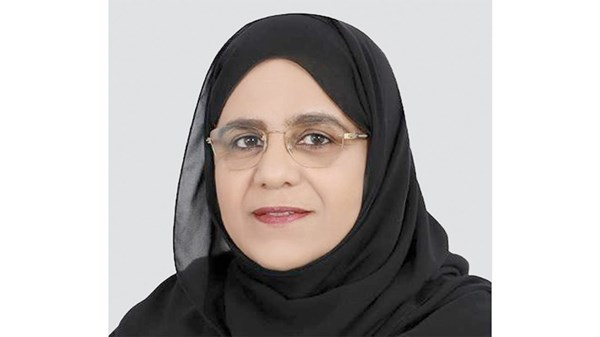
Meanwhile, Mona Taleb Daham carved her own distinctive path as a cultural preservationist and media personality. Through her radio program “Baqaya Lail” on Kuwait Radio and television show “Ghanawi Al-Shawq,” she became known for her melodious voice and extensive literary archive preserved in her memory.
Daham specialized in presenting traditional Gulf poetry, songs, and folklore, connecting audiences with their cultural heritage. Her presentations featured sailors’ songs, traditional women’s chants, men’s work songs, and other authentic expressions of Gulf identity that might otherwise have been forgotten.
However, the reported placement of this cultural icon in a nursing home due to Alzheimer’s disease represents a tragic irony. The very memory that once served as her gateway to sharing literary and poetic treasures with audiences has now been affected by degenerative illness.
Health Challenges Facing Kuwaiti Cultural Icons
The simultaneous health struggles of Hayat Al-Fahad and Mona Taleb Daham have raised questions about support systems for aging artists in Kuwait and the Gulf region. Observers note that both women dedicated their careers to enriching Kuwaiti cultural life, yet now face medical challenges with reportedly limited family care available.
In contrast to their vibrant public personas, the current circumstances of these entertainment pioneers have prompted reflection on how societies honor and support cultural contributors in their later years. Fans and admirers across social media have expressed prayers for their recovery and well-being.
The cases have also sparked broader discussions about Alzheimer’s care and elderly support services in Kuwait. Medical experts emphasize the importance of specialized care facilities and family involvement in managing degenerative conditions affecting memory and cognitive function.
Authorities have not confirmed specific details about either woman’s current medical condition or care arrangements. Supporters continue to express hope for improved health outcomes and appropriate care for both cultural figures, though the long-term prognosis remains uncertain given the nature of their reported conditions.