
Listen to the article
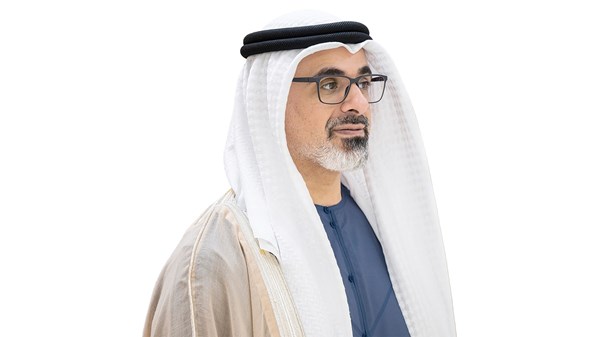
The Abu Dhabi Poetry Festival has launched its second edition today, Monday, under the patronage of Sheikh Khaled bin Mohamed bin Zayed Al Nahyan, Crown Prince of Abu Dhabi and Chairman of the Abu Dhabi Executive Council. Organized by the Abu Dhabi Heritage Authority, the Abu Dhabi Poetry Festival runs until February 11 at ADNOC Abu Dhabi, bringing together poets, creatives, and audiences in celebration of Arabic poetry as an integral part of cultural identity.
The festival takes place within the context of Abu Dhabi’s vibrant cultural movement and the Year of the Family 2026 initiatives, reflecting poetry’s role in strengthening community values and fostering intergenerational communication. According to organizers, the first edition attracted more than one thousand poets and over fifteen thousand visitors, establishing the event as a significant Arab cultural platform for dialogue and creativity.
Abu Dhabi Poetry Festival Program Features Diverse Cultural Activities
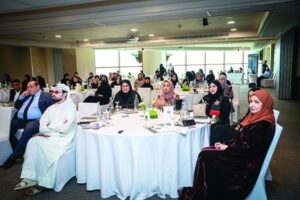
The opening day features a series of panels and dialogue sessions examining poetry’s presence in society. These include the “Barkatna” session for senior citizens organized by the Family Development Foundation, a symposium on poetic transformations in Gulf music, and a research project showcase for graduate students from Mohamed bin Zayed University for Humanities, according to the festival program.
Additionally, evening intellectual sessions address topics such as “Why Do We Read Poetry Today?” organized by the Department of Culture and Tourism in Abu Dhabi, alongside discussions on poetry’s role in documenting events and the history of poetry in the Arabian deserts. Researchers and specialists in popular literature participate in these sessions to explore various dimensions of Arabic poetry.
Traditional Performance Arts and Poetic Evenings
Poetic evenings represent a central component of the program, where Nabati and classical Arabic poets gather for consecutive poetry readings. Meanwhile, the first day showcases Emirati performance arts including rababa, shallah, mankous, wana, and taghrouda, in addition to qaltah and popular shellat performances.
The second day continues with diverse cultural programming beginning with the “Kharareef” session on narrative heritage. However, it also features a dialogue titled “Sha’ir Al Million Between the First and Twelfth Seasons,” examining the program’s impact on the Arab poetry scene, and a symposium on popular media and Nabati poetry.
Nurturing Young Talent Through Education
The festival dedicates space for developing new talents through the “Young Poet Corner,” which offers educational workshops for children in Arabic calligraphy, san’a, and recitation arts. These interactive sessions introduce young participants to both classical and Nabati poetry, according to the heritage authority.
In contrast to traditional poetry gatherings, the event integrates modern formats including daily cultural podcasts that document activities and host participating poets and critics discussing their experiences and visions about poetry. The festival also features a morning poetry session for people of determination and university students.
Cultural Significance and Future Vision
The second edition embodies Abu Dhabi’s ongoing cultural project to establish poetry’s position in cultural life and enhance its presence in society. This reinforces the emirate’s status as an Arab cultural center that bridges heritage and modernity, according to cultural observers.
The Abu Dhabi Poetry Festival celebrates Nabati poetry as an essential component of Emirati and Gulf culture alongside space for classical poetry. This vision combines authenticity and renewal while confirming Abu Dhabi’s role in supporting Arabic poetry and preserving cultural heritage.
The third and final day will focus on discussing the future of Arabic poetry and its relationship with media through specialized symposiums on patriotic poetry between platforms and media, Sirah Hilaliyyah narratives in the Emirates, and future studies in popular literature. The festival concludes with a closing poetic evening, though specific details about future editions have not yet been announced by organizers.