Listen to the article
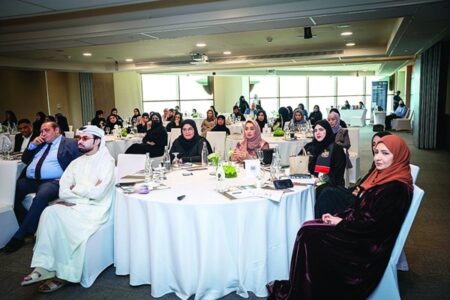
The UAE Hospitality Advisory Council convened its first meeting of 2026 in Abu Dhabi under the leadership of His Excellency Abdullah bin Touq Al Marri, Minister of Economy and Tourism. The session brought together senior representatives from both public and private sectors, including executives and directors from leading national and international hotel establishments operating across the Emirates. The council reviewed a range of new tourism initiatives and their pivotal role in enhancing the growth and sustainability of the UAE hospitality sector throughout the current year.
During the meeting, participants discussed recent performance updates for the hospitality industry at regional and global levels, alongside future projections for supply and demand dynamics in the coming period. According to the ministry, the council examined key market trends and strategic priorities aimed at strengthening the competitiveness of the national tourism ecosystem.
UAE Hospitality Sector Achieves Strong Performance Metrics
His Excellency Abdullah bin Touq Al Marri emphasized that the UAE hospitality sector continues to achieve advanced growth rates, serving as one of the main pillars for enhancing the competitiveness of the national tourism system regionally and globally. He attributed this success to the vision and guidance of the country’s leadership. The minister revealed that the hotel occupancy rate in the UAE reached 79.5% during the period from January to November 2025, the report indicates.
Additionally, the average length of stay for guests increased to 3.42 nights, coinciding with continuous expansion in the sector’s capacity. The number of hotels reached 1,260 establishments, while hotel rooms increased to approximately 216,900 rooms, according to official figures. These metrics reflect the robustness of the hotel sector and its central role in supporting national tourism growth.
Strategic Priorities Focus on Revenue Management and Market Diversification
The minister stated that the positive performance of the hospitality and hotel sector embodies the integration of the tourism system in the UAE and reflects the effectiveness of partnerships between government entities and the private sector. He noted that the upcoming phase requires continued work based on precise data analysis and balanced planning between supply and demand to ensure sustainable growth and enhanced competitiveness of this vital sector over the long term.
His Excellency outlined that the council’s priorities for the current year focus on enhancing the efficiency of revenue management strategies and flexible pricing. These measures aim to maximize hotel and tourism revenues while ensuring the sustainability of strong performance in the UAE hospitality sector. The priorities also include diversifying source markets for tourism rather than relying on specific markets, which enhances the sector’s flexibility in facing global fluctuations.
Furthermore, the strategy encompasses developing long-term stay products and attracting high-spending visitor segments. This approach aims to raise the average length of stay in UAE markets and enhance the economic return per visitor, thereby contributing to increased hotel revenues in the coming period, the ministry said.
Balancing Capacity Growth with Actual Demand
His Excellency Abdullah bin Touq emphasized the importance of achieving sustainable balance between the growth of hotel room capacity in the UAE and actual demand levels. He also highlighted support for adopting digital solutions and artificial intelligence technologies in hotel operations management and enhancing guest experiences. These initiatives contribute to consolidating the UAE’s position on the global tourism and travel map, in line with the objectives of the National Tourism Strategy 2031.
The minister pointed out that global demand for hotel rooms continues to record strong levels compared to previous years, in parallel with continued improvement in occupancy rates and average daily rates in several key markets. This performance occurs despite relative slowdown in growth rates in some advanced economies, demonstrating the sector’s ability to adapt to global economic variables while maintaining operational stability and growth sustainability.
Regional Tourism Development and New Initiatives
Meanwhile, His Excellency noted that Gulf Cooperation Council countries continue to achieve advanced growth rates in tourism demand, driven by the momentum of major events and continuous development in infrastructure. Regional expansion in qualitative hotel investments further supports this growth trajectory, according to officials.
The council reviewed a group of new initiatives aimed at developing tourism products dedicated to senior citizens. These include long-term stay programs during the winter season in the UAE and enhancing standards for senior-friendly destinations. Additionally, tourism packages focusing on health and wellness were discussed, as attracting this segment contributes to increasing average length of stay, raising tourism spending, and achieving greater stability in performance during medium and low seasons.
In contrast, the council examined initiatives related to the Silver Economy, which focuses on enhancing the contribution of seniors to economic activities and sustainable growth. Officials emphasized the importance of these initiatives in supporting tourism sector growth amid global demographic transformations and the rising proportion of senior travelers worldwide.
Policy Review and Family-Friendly Destination Guidelines
As part of developing tourism policies, the council discussed the latest updates on the UAE tourism policy review project in cooperation with the Organisation for Economic Co-operation and Development. This initiative aims to assess sector competitiveness, strengthen governance and institutional coordination systems, and develop the tourism data system to support evidence-based decision making, the report indicates.
However, the meeting also addressed the Family-Friendly Destinations Guidelines initiative, which aims to establish clear standards to ensure the provision of safe and inclusive tourism environments. These standards consider the needs of children and families across various tourism facilities, including hotels, parks, shopping centers, beaches, and cultural sites. This initiative contributes to enhancing family-supportive service standards, thereby raising visitor satisfaction levels and reinforcing the UAE’s presence as a leading global destination for families.
The council concluded by stressing the importance of continued coordination among relevant authorities to monitor future booking indicators and analyze trends in key markets. This approach ensures the sector’s readiness to deal with global variables while enhancing tourism’s contribution to gross domestic product and supporting the country’s sustainable economic development journey.