



Listen to the article
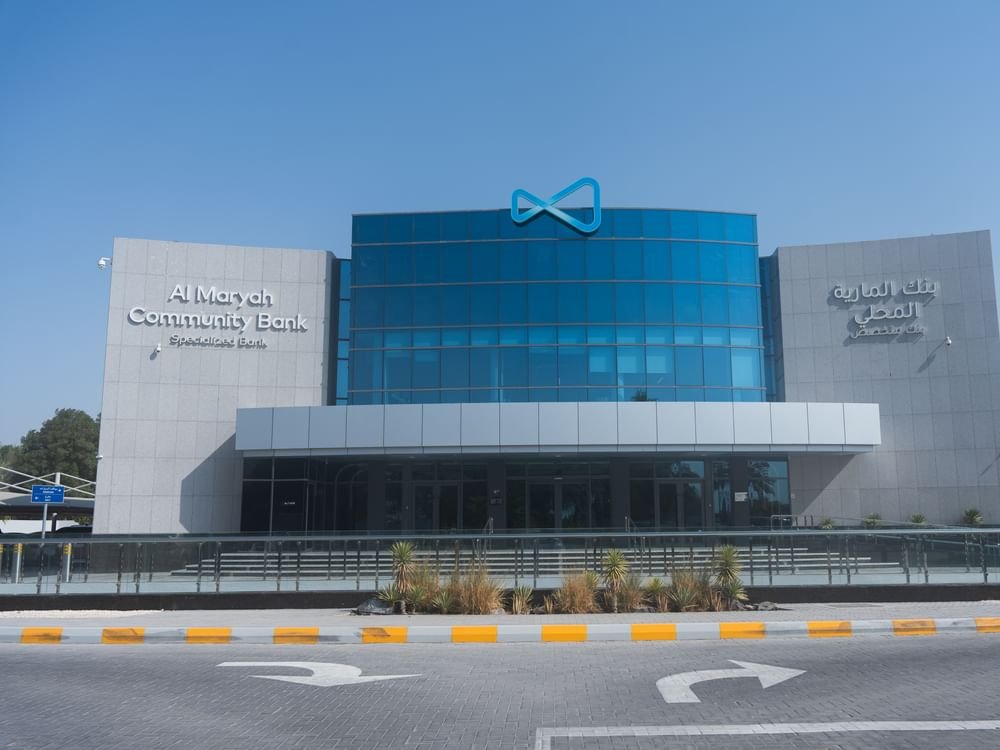
Al Mariah Local Bank has launched a new digital platform for worker salary payments in line with the UAE’s Wage Protection System, marking a significant step in the country’s digital transformation efforts. According to a press statement issued by the bank on February 9, 2026, the digital wage payment platform was developed in collaboration with the Ministry of Human Resources and Emiratisation, Al Etihad Payments, and the Central Bank of the UAE.
The initiative aims to support the digital transition in payroll management across the nation through secure, seamless, and comprehensive solutions that enhance efficiency and transparency. The platform is designed to strengthen the UAE’s vision of protecting workers’ rights while enabling business owners to leverage effective digital tools that promote financial transparency and accountability.
Digital Wage Protection System Features
The bank’s new digital platform specifically targets companies with up to 50 employees, offering them a streamlined solution for managing payroll obligations. This aligns with the UAE’s broader commitment to implementing digital wage protection mechanisms that ensure timely and accurate salary disbursements to workers.
Additionally, the platform integrates directly with the national Wage Protection System, which has been a cornerstone of labor rights enforcement in the Emirates. The system requires employers to pay wages through approved financial channels, creating a transparent record of all salary transactions.
Supporting UAE’s Cashless Economy Vision
Mohamed Wasim Khayata, Chief Executive Officer of Al Mariah Local Bank, emphasized the bank’s commitment to advancing digital banking services. He noted that the platform embodies the institution’s dedication to simplifying payroll processes for business owners while ensuring compliance with the country’s labor legislation.
However, the broader implications extend beyond mere compliance. The digital wage payment platform represents a crucial component of the UAE’s transition toward a cashless economy, reducing reliance on physical currency and improving financial oversight.
Meanwhile, the collaboration between Al Mariah Local Bank and government entities demonstrates the public-private partnership model that has characterized many of the UAE’s technological initiatives. The involvement of the Central Bank ensures regulatory alignment, while the Ministry of Human Resources and Emiratisation provides labor law expertise.
Benefits for Employers and Workers
The digital platform offers several advantages for small and medium-sized enterprises operating in the UAE. Companies can now manage payroll with enhanced security features, reducing the risk of errors and ensuring accurate record-keeping for regulatory purposes.
In contrast to traditional payment methods, the digital system provides real-time tracking and verification capabilities. This transparency benefits both employers, who can demonstrate compliance more easily, and workers, who gain assurance that their wages are being processed correctly and on time.
Furthermore, the platform’s integration with the national wage protection infrastructure means that salary data is automatically reported to relevant authorities. This eliminates duplicate reporting requirements and reduces administrative burden on businesses.
Implications for Labor Rights Protection
The launch of this digital wage payment platform reinforces the UAE’s ongoing efforts to strengthen worker protections through technological innovation. By digitizing payroll processes, authorities can more effectively monitor compliance with wage payment regulations and identify potential violations.
According to banking sector observers, such digital solutions are becoming increasingly essential as the UAE economy continues to diversify and modernize. The wage protection system has evolved significantly since its initial implementation, with digital platforms now offering more sophisticated capabilities than earlier versions.
The platform rollout follows the broader trend of financial technology adoption across the UAE banking sector. Digital payment solutions have gained momentum as businesses and consumers alike embrace cashless transactions and automated financial processes.
The bank has not yet announced a specific timeline for expanding the platform’s capacity beyond the current 50-employee threshold, though future enhancements are expected as the service matures and adoption increases among eligible businesses.