


Listen to the article
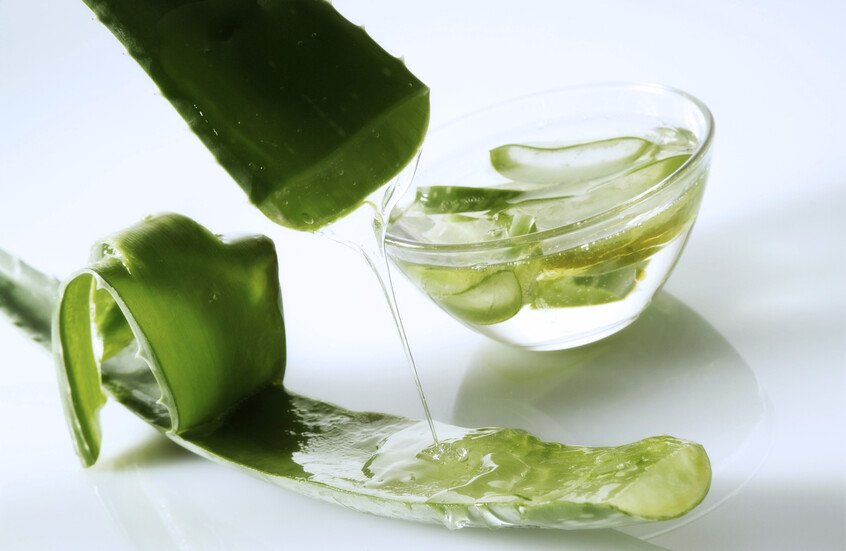
A new scientific study has revealed unexpected potential for aloe vera in combating Alzheimer’s disease, identifying natural compounds in this popular plant that could transform the future of dementia treatments. According to recent research, international scientists have discovered that beta-sitosterol, a compound found in aloe vera gel, strongly interacts with two key brain enzymes linked to memory loss and cognitive decline.
The research team found that this natural compound, which resembles cholesterol in its structure, performs similarly to conventional drugs currently used to treat Alzheimer’s. However, according to the researchers, beta-sitosterol offers an important advantage: it is a plant extract with high safety and fewer side effects compared to chemical treatments.
How Aloe Vera Protects Against Cognitive Decline
When researchers examined the interaction between aloe vera compounds and enzymes responsible for breaking down acetylcholine, a vital neurotransmitter for memory, they discovered that the plant extract effectively slows this breakdown. This mechanism may help preserve communication between nerve cells and protect against cognitive deterioration associated with Alzheimer’s disease.
The discovery becomes even more remarkable when considering the methodology scientists employed. Instead of traditional laboratory experiments, the team utilized advanced computer simulation techniques that analyze thousands of molecular interactions in record time. This innovative approach enabled researchers to observe how aloe vera molecules attach to disease-causing brain proteins and prevent them from performing their destructive function.
Promising Candidate for Drug Development
Dr. Maryam Khadrawy, the lead researcher in the study, explained that beta-sitosterol demonstrated notable stability and affinity in binding to target enzymes. According to Khadrawy, these properties make it a promising candidate for pharmaceutical development in treating neurodegenerative conditions.
Notably, beta-sitosterol is not new to medical applications. The compound is already used as a dietary supplement for lowering cholesterol and improving symptoms of prostate enlargement, and it appears in various skincare products. This extensive background of safe use gives researchers greater confidence in its potential transformation into an Alzheimer’s treatment.
However, scientists caution that the path forward remains lengthy. Computer simulations represent only an initial step that must be followed by intensive laboratory research and clinical trials on humans, which could take several years to complete.
Addressing the Growing Alzheimer’s Crisis
This breakthrough comes at a critical time as the need for new dementia treatments intensifies globally. According to projections, the number of Alzheimer’s patients worldwide is expected to rise to 153 million by mid-century, creating an urgent public health challenge.
Additionally, experts note a troubling paradox surrounding the disease. Despite being a leading cause of death in many countries, Alzheimer’s research receives significantly less funding than other medical conditions, even though its economic burden is estimated at hundreds of billions of dollars annually.
Meanwhile, the pharmaceutical industry continues searching for effective treatments that can slow or halt disease progression. In contrast to synthetic drug development, natural compounds like those found in aloe vera offer alternative pathways that may yield safer therapeutic options with better tolerability profiles.
Researchers have not confirmed a timeline for clinical trials, though further laboratory validation of the computational findings is expected in the coming months. The team indicated that additional studies will focus on optimizing dosage and delivery methods before human testing can proceed.