
Listen to the article
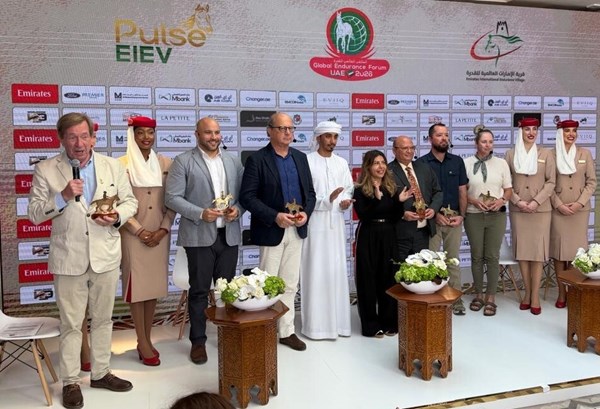
The Global Endurance Forum, organized by the Emirates International Endurance Village in Al Wathba, brought together international experts over three days to discuss best practices in equestrian endurance sport. Speakers at the forum, held at the Al Wathba hotel, addressed critical topics including nutrition, breeding of Arabian horses, and rider skills essential for competitive endurance riding. The event showcased experiences from various countries and featured participation from accomplished riders and veterinary specialists.
According to the organizers, the forum’s opening sessions focused on breeding and producing Arabian bloodlines globally. Experts examined successful international breeding programs, including France’s achievements in producing competitive Arabian horses and their significant impact on global championship results. Additionally, Brazil’s breeding experience was highlighted for producing strong horses through optimal environmental conditions and genetic selection.
Arabian Horse Breeding and Endurance Competition
The first session dedicated to breeding featured presentations from Dr. Guilherme Couto, Gerard Lario, Dr. Abdelwahab Amira, Yousef bin Taher, Sean Barman, and Raiki Fawri. Speakers discussed influential genetic factors in producing bloodlines known for their strength in speed races. The session also covered factors affecting the breeding process and how proper genetics contribute to success in endurance riding competitions.
Meanwhile, the forum emphasized the importance of creating suitable environments for Arabian horses to thrive. Experts shared insights on breeding practices that have elevated the performance of Arabian horses in international endurance championships. The discussions highlighted how different countries have adapted their breeding programs to develop horses capable of excelling in demanding endurance events.
Nutrition and Health Management for Endurance Horses
The second session focused on implementing scientific approaches to equestrian nutrition and maintaining horse health. Participating experts included Dr. Tarsha Walsh, Dr. Asim Al-Hatini, Dr. Sofian Alam Aldeen, Dr. Sayed Al-Rifai, and Dr. George Lucier. The speakers emphasized adopting feeding practices that do not compromise the safety and wellbeing of endurance horses.
However, the session went beyond basic nutrition to explore advanced dietary strategies. Experts discussed how proper nutrition directly impacts performance in endurance competitions and the long-term health of Arabian horses used in the sport.
Rider Skills and UAE’s Equestrian Heritage
The third session on endurance riding skills was moderated by Mohammed Al Hadhrami, Events Director at the village. The panel featured riders Omar Al Neyadi and Mansour Al Farsi, along with rider Massa Adnan, who won the UAE President’s Endurance Cup at Al Wathba village. Former Russian rider Nikolai Milbord and former Chilean rider Claire Sonja also participated.
In contrast to international participants, Emirati riders Al Neyadi and Al Farsi emphasized that equestrianism in the UAE achieved global development through support and patronage from the nation’s leadership. They noted the sport’s connection to the country’s culture and history, and its societal and family impact in preserving equestrian traditions across generations.
According to Massa Adnan, her presence in the UAE since 2015 enabled her competitive capabilities and helped her achieve optimal results. She attributed her success to both her passion for equestrian sports and the opportunities available in the Emirates. Sonja and Milbord shared their previous experiences with endurance riding, offering international perspectives on the sport’s development.
The forum’s outcomes are expected to influence breeding programs and training methods across participating nations. While organizers have not confirmed plans for future editions, the success of this three-day gathering suggests continued international collaboration in advancing endurance riding standards.