


Listen to the article
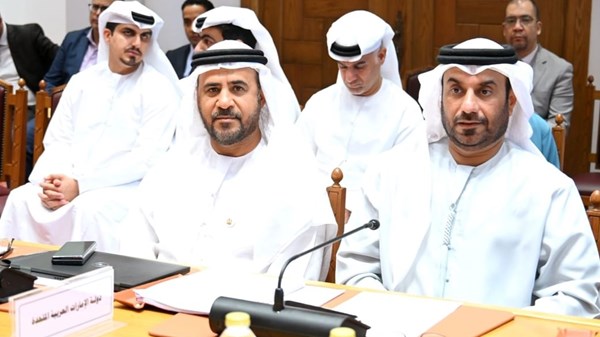
The United Arab Emirates participated in the 38th meeting of the Arab League expert group on counterterrorism, which convened at the Arab League headquarters in Cairo. The meeting brought together representatives from justice, interior, and foreign ministries across Arab states, alongside officials from the General Secretariat of the Arab Interior Ministers Council. The gathering focused on regional coordination to combat terrorism and address emerging threats related to modern technologies.
According to the Arab League, the UAE delegation presented a working paper during the session examining the legislative framework for virtual currencies in the Emirates and the risks of their exploitation by terrorist organizations. The presentation highlighted regulatory measures implemented to prevent the misuse of cryptocurrency for terrorist financing.
Arab League Counterterrorism Cooperation Addresses Digital Threats
Dr. Maha Bakhit, Minister Plenipotentiary and supervisor of the Legal Affairs Sector at the Arab League, stated that the meeting reviewed follow-up measures on recommendations issued during the 37th session held in Tunisia last August. The discussions also covered strengthening cooperation with the United Nations and its relevant bodies on counterterrorism initiatives.
Additionally, the expert group examined ways to counter terrorist organizations’ use of emerging technologies. The agenda included analyzing how extremist groups exploit encrypted currencies, unmanned aerial vehicles, and digital applications to finance and execute terrorist operations, according to the ministry statement.
Virtual Currency Regulation Under Scrutiny
The working paper presented by the UAE delegation emphasized the importance of comprehensive legislative frameworks to regulate virtual currencies and prevent their misuse. Terrorist organizations have increasingly turned to cryptocurrency transactions due to their perceived anonymity and cross-border capabilities, making regulatory oversight critical for regional security.
However, the challenge extends beyond cryptocurrency alone. The meeting addressed the broader spectrum of technological tools that terrorist groups have incorporated into their operations, including drone technology and encrypted messaging platforms.
Meanwhile, participants discussed enhancing the efficiency and operational mechanisms of the Arab expert group itself. The focus on institutional development reflects recognition that combating terrorism requires not only addressing immediate threats but also building sustainable frameworks for long-term cooperation among Arab states.
Regional Coordination on Terrorist Financing
In contrast to traditional financing methods, modern terrorist financing increasingly relies on digital channels that transcend national borders. The Arab League meeting underscored the need for harmonized legislation across member states to close gaps that terrorist organizations might exploit.
The participation of multiple government agencies—including justice, interior, and foreign ministries—demonstrates the multi-faceted approach required to address counterterrorism challenges. This interagency coordination is essential for implementing comprehensive strategies that address both the legal and operational aspects of combating terrorism.
Furthermore, the emphasis on United Nations cooperation indicates awareness that terrorism transcends regional boundaries. Aligning Arab League initiatives with international counterterrorism frameworks enhances the effectiveness of regional efforts and ensures consistency with global standards.
The expert group has not announced the specific date for its next meeting, though these sessions typically occur on a regular basis throughout the year. Further details on the implementation timeline for recommendations adopted during this Cairo meeting are expected to be communicated through official Arab League channels in the coming weeks.