


Listen to the article
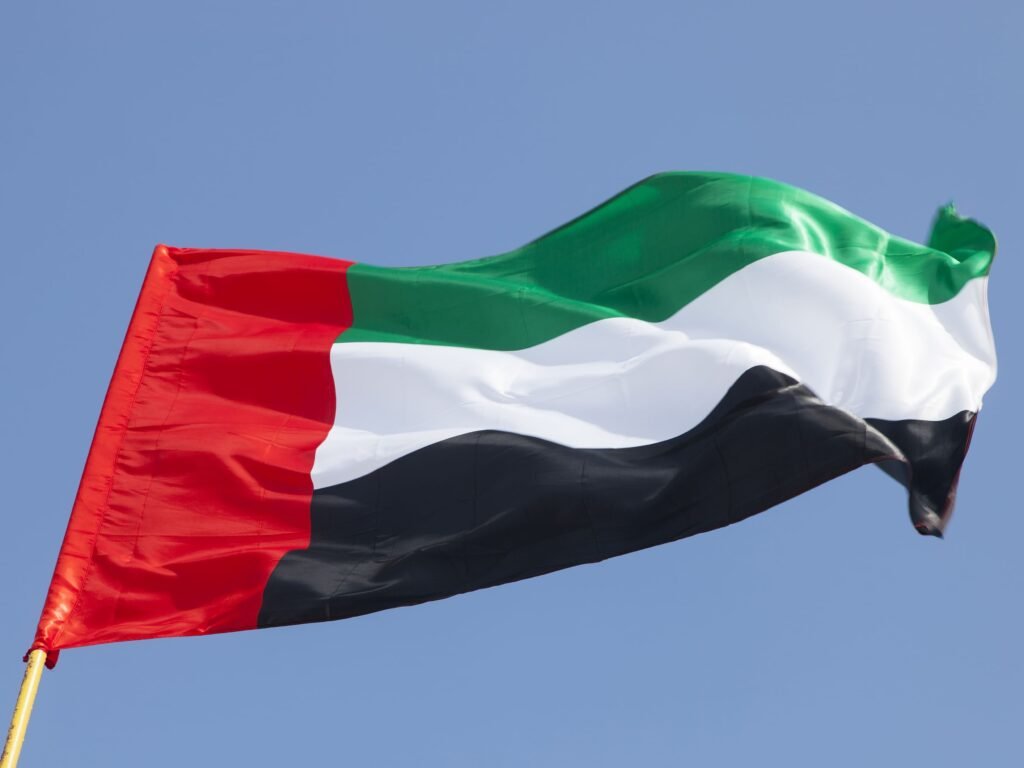
The United Arab Emirates has reaffirmed its commitment to maintaining neutrality amid rising regional tensions, according to a statement from the Ministry of Foreign Affairs. The UAE neutrality stance was announced on January 26, 2026, in Abu Dhabi, emphasizing the country’s refusal to allow its airspace, land, or waters to be used for any hostile military operations against Iran. The ministry also confirmed that the Emirates will not provide logistical support for such activities.
This declaration comes at a time when regional dynamics in the Gulf remain complex and sensitive. The statement underscores the UAE’s position as a nation seeking to avoid entanglement in potential military conflicts while maintaining diplomatic relations across the region.
UAE Neutrality Policy and Diplomatic Approach
According to the ministry, the UAE believes that strengthening dialogue, de-escalation, and adherence to international law represent the optimal foundations for addressing current crises. The country emphasized its commitment to respecting state sovereignty as a fundamental principle of its foreign policy. These statements reflect a broader diplomatic strategy that the Emirates has pursued in recent years.
The ministry stressed that the UAE’s approach is rooted in the necessity of resolving disputes through diplomatic means rather than military confrontation. This position aligns with the country’s long-standing efforts to position itself as a stable and neutral actor in the Middle East. Additionally, the statement reinforces the UAE’s commitment to international law and multilateral frameworks for conflict resolution.
Regional Implications and Context
The timing of this announcement is significant given ongoing geopolitical tensions in the Gulf region. However, the ministry did not provide specific details about what prompted this particular statement or whether it was issued in response to recent developments. The UAE has historically maintained a delicate balancing act between its security partnerships and regional relationships.
Meanwhile, the Emirates continues to expand its diplomatic engagement across the Middle East. The country has increasingly positioned itself as a mediator and facilitator of dialogue between competing regional powers. In contrast to some neighboring nations, the UAE has emphasized economic cooperation and diplomatic engagement over confrontation.
International Law and Sovereignty Commitments
The ministry’s reference to international law and respect for sovereignty reflects key principles that underpin the UAE neutrality stance. By explicitly committing not to allow hostile military operations from its territory, the Emirates is signaling its dedication to maintaining peaceful relations with Iran. This commitment extends to all forms of support, including logistical assistance that could facilitate military activities.
Furthermore, the statement emphasizes de-escalation as a priority for the UAE’s foreign policy. The country has consistently advocated for reducing tensions in the region through dialogue and negotiation. These principles have guided the Emirates in navigating complex regional relationships while protecting its own national interests.
Economic and Strategic Considerations
The UAE’s neutral position also serves important economic interests. As a major global trade hub and business center, the country benefits from maintaining stable relationships across the region. The proximity of the UAE to Iran, with the two nations sharing maritime boundaries in the Arabian Gulf, makes peaceful coexistence particularly important for both countries.
Additionally, the Emirates has significant economic ties with various regional and international partners. Maintaining neutrality allows the country to preserve these relationships while avoiding the economic disruptions that could result from involvement in regional conflicts. The statement from the ministry reinforces this pragmatic approach to foreign policy.
Authorities have not indicated any immediate follow-up actions or upcoming diplomatic initiatives related to this statement. The ministry’s announcement appears to be a reaffirmation of existing policy rather than a response to a specific imminent threat, though the precise context remains unclear.