


Listen to the article
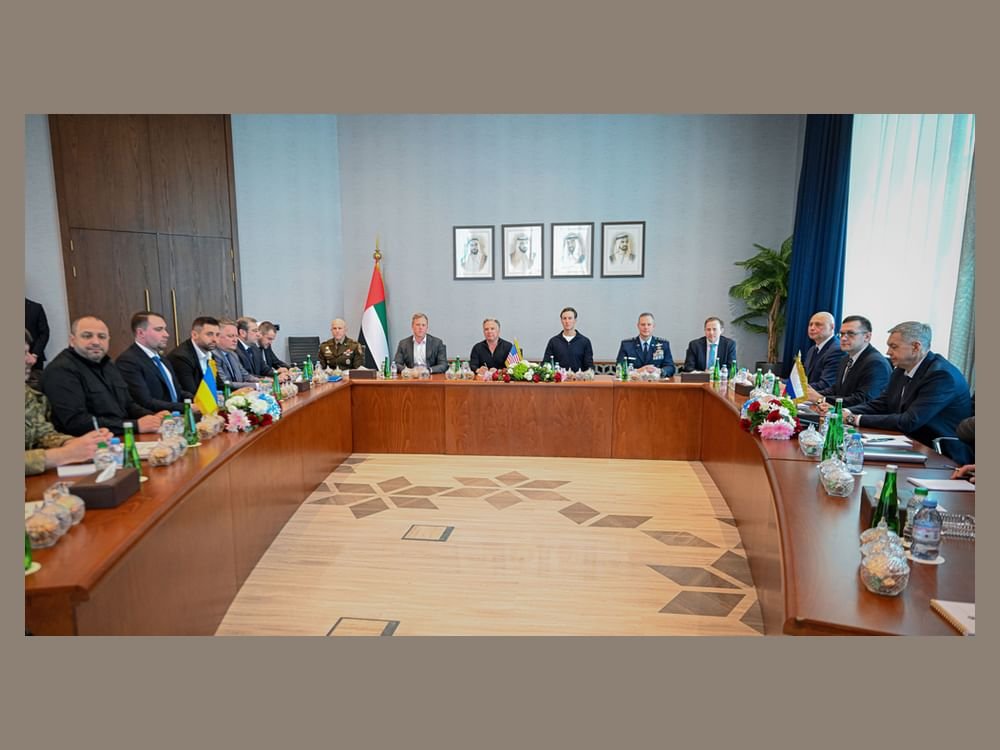
The second round of trilateral peace talks between Russia, Ukraine, and the United States began in Abu Dhabi on February 4, 2026, marking a continuation of diplomatic efforts to advance a political resolution to the ongoing crisis. The United Arab Emirates is hosting the negotiations as part of international attempts to facilitate constructive dialogue among the three parties.
According to the UAE Ministry of Foreign Affairs, the country’s selection as host reflects its balanced and well-established relationships with Russia, Ukraine, and the United States. The ministry emphasized that the talks are being led by U.S. President Donald Trump, with the Emirates providing a supportive environment for the discussions.
UAE Diplomatic Role in Peace Negotiations
The Ministry of Foreign Affairs stated that hosting this round of peace negotiations demonstrates international confidence in the UAE’s capacity to facilitate meaningful dialogue. The Emirates has positioned itself as a neutral ground where all parties can engage in constructive discussions away from regional tensions.
However, the ministry noted that the launch of the second round reflects the commitment of all involved parties to pursuing a diplomatic path forward. This continued engagement suggests that despite challenges, there remains willingness among Russia, Ukraine, and the United States to explore political solutions.
Building on Previous Progress
The UAE Ministry of Foreign Affairs expressed hope that the current round of Russia-Ukraine-U.S. talks would build upon achievements from the first session. Additionally, officials indicated expectations that discussions could lead to broader understandings among the parties, though specific details about progress from the initial round were not disclosed.
The decision to hold a second round in Abu Dhabi indicates that the first session produced sufficient momentum to warrant continued dialogue. Meanwhile, the trilateral format represents a significant diplomatic framework, bringing together the primary stakeholders in the conflict alongside American mediation efforts.
Regional Stability and Peace Efforts
The UAE has reaffirmed its commitment to supporting international efforts aimed at achieving a comprehensive and sustainable political solution to the crisis. According to the foreign ministry, such a resolution would enhance prospects for peace and stability at both regional and international levels.
In contrast to previous diplomatic initiatives, the current peace negotiations benefit from direct American presidential involvement under the Trump administration. This high-level engagement may provide additional political weight to the discussions taking place in the Emirati capital.
Implications for International Diplomacy
The continuation of talks in Abu Dhabi underscores the UAE’s growing role as a diplomatic facilitator in major international conflicts. The country has increasingly positioned itself as a mediator capable of hosting sensitive negotiations between parties with competing interests.
Furthermore, the trilateral format of the Russia-Ukraine-U.S. talks represents a potentially significant shift in the diplomatic approach to resolving the crisis. By bringing all key parties together in neutral territory, the negotiations may create opportunities for direct communication that have been absent in previous formats.
The international community has not received detailed information about the specific agenda items under discussion or concrete proposals being considered. Authorities have not confirmed whether the current round has specific deadlines or target outcomes, though the willingness to convene a second session suggests ongoing diplomatic momentum.
The duration of the second round of peace negotiations has not been officially announced, and it remains unclear when results or progress updates will be communicated to the public. The success of these discussions will likely depend on the parties’ ability to identify common ground while navigating complex political and security concerns that have prolonged the crisis.