



Listen to the article
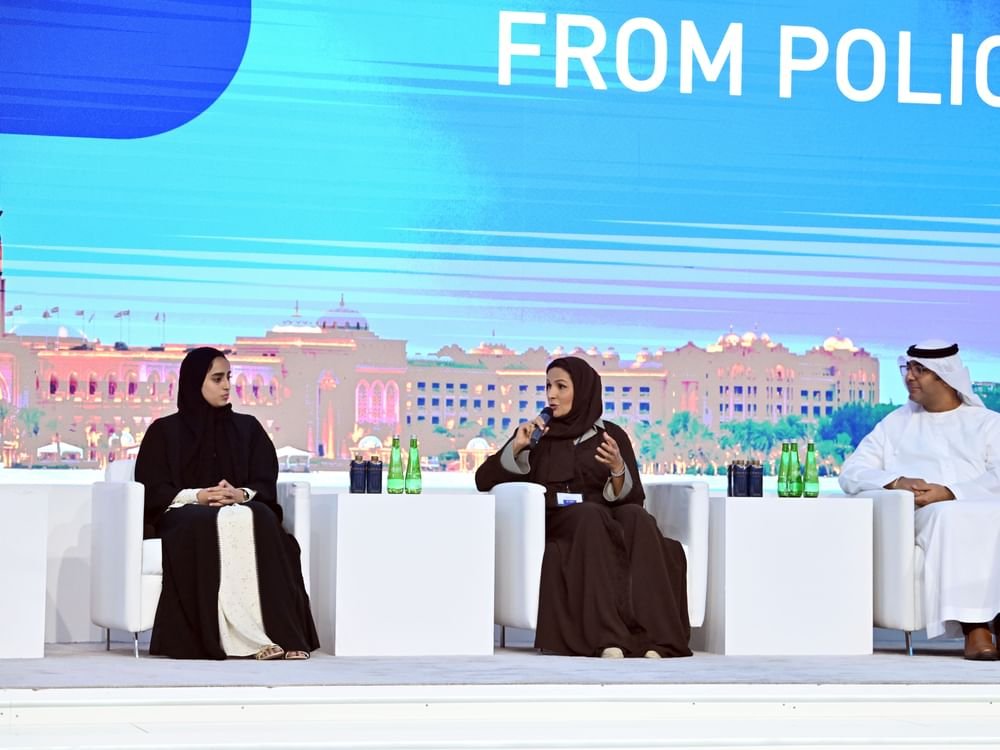
The United Arab Emirates is making significant strides in mental health care reform, as highlighted during a major conference session held in Abu Dhabi. The “Sakina” Integrated Mental Health Conference 2026, organized by Sakina company under PureHealth Group, convened experts and policymakers at Conrad Etihad Towers for a two-day event beginning February 6, 2026. A key session titled “Shaping the Future of Mental Health: From Policy to Implementation” showcased the nation’s progress in advancing mental health services and reducing stigma through national initiatives.
Sheikha Hamda bint Khalifa bin Mohammed Al Nahyan, Ambassador for Strategic Initiatives of the Sakina initiative, emphasized that the UAE has achieved notable progress through recent mental health law amendments. According to her remarks during the session, these legal reforms place greater focus on human dignity, protection, and enabling individuals to express themselves freely without isolation or shame.
National Mental Health Initiative Supports Caregivers
The national Sakina initiative aims to equip caregivers with essential tools and expertise for supporting individuals with mental health needs, according to Sheikha Hamda. The program works to eliminate stigma surrounding mental health challenges and integrate psychological wellbeing into everyday conversations, similar to how physical health is routinely discussed. She affirmed that the UAE’s leadership provides comprehensive support and resources to achieve these mental health goals.
Additionally, Sheikha Hamda announced that 2026 will witness the launch of numerous new initiatives, programs, and partnerships under the Sakina umbrella. These efforts aim to position mental health at the center of community dialogue while emphasizing collaboration between government and private sectors to unify efforts through an integrated approach.
Workplace Mental Health Integration
His Excellency Maqsoud Kruse, Chairman of the National Human Rights Authority, stressed the importance of incorporating mental health into workplace environments. According to his statements, creating employee safety requires institutional education, corporate policies, training programs, and awareness campaigns that normalize psychological wellbeing discussions.
He emphasized promoting inclusivity and creating environments where every individual can contribute their potential regardless of diagnosis, symptoms, or classification. Kruse noted that everyone faces hidden psychological challenges and that attention to internal mental states matters more than transient moods or feelings.
Family Support Systems and Mental Health Services
Her Excellency Salama Al Ameemi, Director General of the Family Care Authority, clarified that escalating mental health cases to professional services should not carry negative connotations. According to Al Ameemi, such escalation represents organizational support when families struggle to address challenges independently, while emphasizing the priority of empowering families to understand mental health and its impacts on individuals.
She highlighted that standards must remain clear and transparent while maintaining confidentiality, making help-seeking acceptable without stigma. Al Ameemi stressed the importance of formal collaboration between sectors to ensure seamless transitions of mental health cases from families to healthcare, educational, judicial, and law enforcement systems, with clear pathways and accessible services.
Comprehensive Care Across Age Groups
Dr. Zain Ali Al Yafei, Chief Executive of the Sakina initiative, explained that their mission involves providing comprehensive, evidence-based care rooted in compassion for all age groups. This approach requires collaboration with community and social sectors through schools, health centers, and hospitals, according to his presentation at the conference.
However, Dr. Al Yafei emphasized that service delivery alone proves insufficient. The system must support rehabilitation and workforce reintegration, focusing on functional recovery and patient and family experiences. Special attention targets vulnerable populations including elderly individuals, children, mothers, and people of determination.
The Sakina leadership indicated that new programs and partnerships will roll out throughout 2026, though specific timelines for individual initiatives remain to be announced. The conference continues to explore implementation strategies for transforming mental health policy into practical community support systems.