
Listen to the article
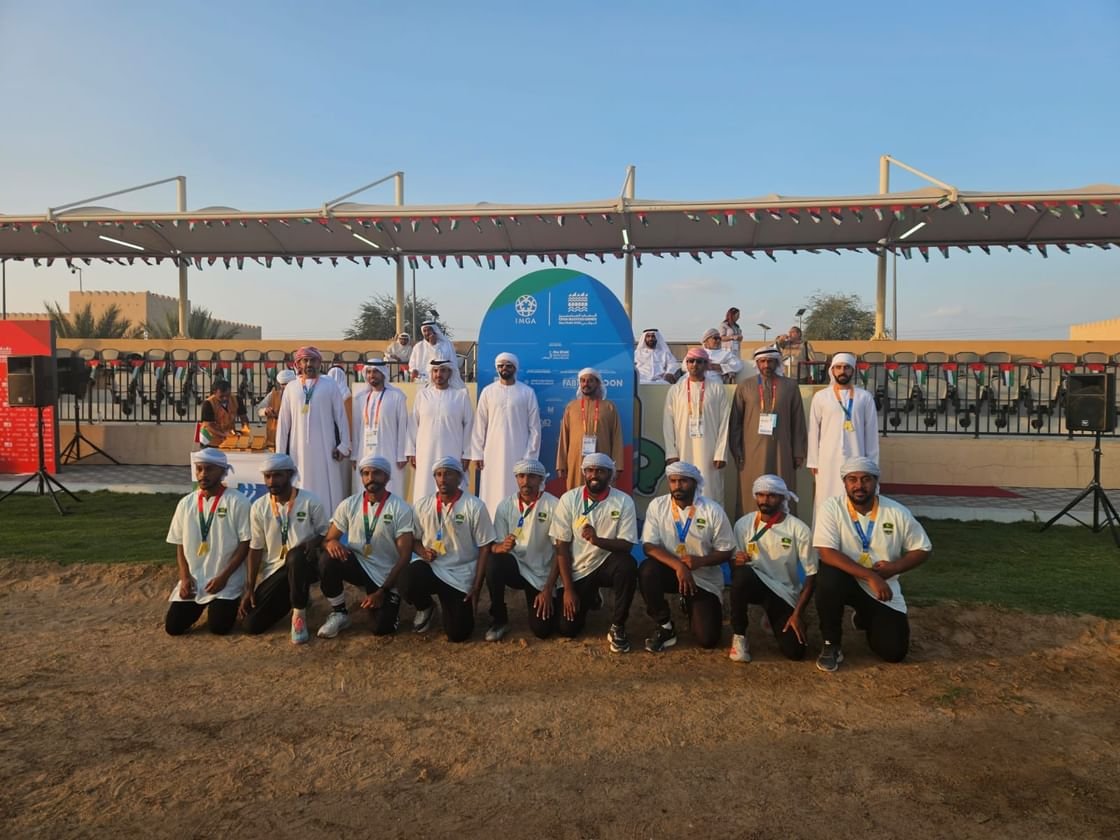
The United Arab Emirates has successfully elevated a traditional game into a competitive sport as part of the Abu Dhabi Masters Games 2026. Dr. Sultan Saif Al Neyadi, Minister of State for Youth Affairs, confirmed that the inclusion of “Al-Tabba” among the competition events reflects its growing importance in society, marking its transition from a heritage pastime to an officially regulated sporting discipline with scoring systems, timing protocols, and supervisory committees.
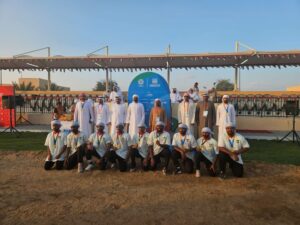
Speaking to Emirates News Agency (WAM) following the conclusion of Al-Tabba competitions at Um Ghafa field in Al Ain on February 8, 2026, Al Neyadi emphasized that widespread participation from both domestic and international athletes demonstrates the event’s success and expanding reach. He announced plans to establish specialized clubs dedicated to Al-Tabba sport in the future.
Al-Tabba Gains Recognition as Competitive Sport
The transformation of Al-Tabba from a traditional Emirati game into a structured competitive sport represents a significant achievement for cultural preservation efforts in the UAE. According to the minister, the sport now operates under regulated frameworks that include point systems and official timing mechanisms, bringing it in line with international sporting standards.
Additionally, the establishment of governing committees ensures fair play and proper oversight during competitions. This formalization process allows Al-Tabba to attract serious athletes while maintaining its cultural heritage value.
Abu Dhabi Masters Games 2026 Attracts Global Participation
The Abu Dhabi Masters Games 2026 has witnessed substantial turnout from participants across various categories, both from within the UAE and abroad. The event has successfully integrated traditional Emirati sports alongside contemporary athletic competitions, creating a unique platform that celebrates both heritage and modern sporting excellence.
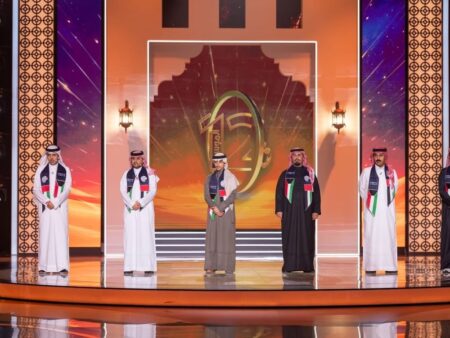
However, the success extends beyond participation numbers. Al Neyadi highlighted the distinguished opening ceremony and notable community engagement across all sporting disciplines as key indicators of the event’s impact.
Leadership Support Drives Traditional Sports Development
The minister expressed gratitude to Sheikh Dhiyab bin Mohammed bin Zayed Al Nahyan, Deputy Chairman of the Presidential Court for Development and Martyrs’ Families Affairs, for his support. According to Al Neyadi, backing from UAE leadership has been instrumental in achieving the remarkable success of the Abu Dhabi Masters Games 2026 across all levels.
Meanwhile, the government’s commitment to preserving traditional games while modernizing them for competitive play aligns with broader cultural heritage initiatives. This approach ensures younger generations remain connected to Emirati traditions through active participation rather than passive observation.
Future Plans for Al-Tabba Sport Development
In contrast to treating traditional games as museum pieces, UAE authorities are actively developing infrastructure to support their growth as competitive sports. The planned establishment of specialized Al-Tabba clubs represents a long-term investment in sustaining and expanding the sport’s reach.
Additionally, these dedicated facilities will provide training grounds for athletes and serve as community hubs where cultural knowledge passes between generations. The club structure will likely introduce coaching programs and youth development pathways similar to those found in established sports.
The integration of heritage sports into major multi-sport events like the Abu Dhabi Masters Games also creates opportunities for international exposure. As more countries recognize and adopt traditional games as competitive sports, Al-Tabba could potentially gain regional or international competition circuits.
Authorities have not yet announced specific timelines for the specialized club establishments or detailed development plans for expanding Al-Tabba competitions beyond the current Masters Games format. Further announcements regarding the sport’s governance structure and future competition calendar are expected as organizers evaluate the success of this year’s event.