



Listen to the article
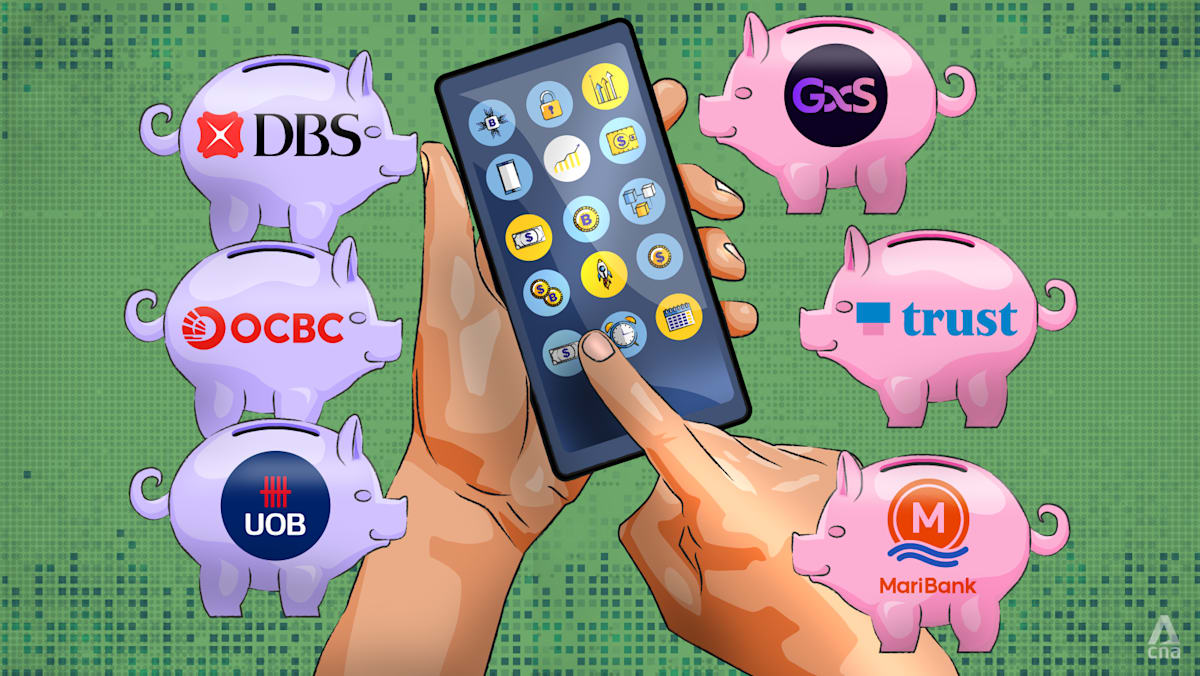
Singapore’s digital banks are intensifying their competition for customer deposits as they race to achieve profitability in one of Asia’s most mature banking markets. Trust Bank has emerged as the early leader among the three digital banking entrants, leveraging its full banking license and strategic partnerships to build a substantial deposit base that now exceeds its competitors by a significant margin.
According to 2023 financial statements, Trust Bank accumulated customer deposits of S$1.8 billion, which surged to S$3 billion by the first half of 2024. Meanwhile, MariBank attracted S$503.8 million in customer deposits by end-2023, while GXS reported S$436.8 million during the same period.
Digital Bank Competition Heats Up Over Deposits
Analysts emphasize that deposits represent a critical battleground for digital banks because they provide the funds necessary to make loans and generate interest income. Trust Bank CEO Dwaipayan Sadhu told CNA that the bank is making good financial progress and would soon provide updates on its journey to become Singapore’s fourth largest retail bank by customer numbers, with the platform already serving 806,000 customers as of August 2024.
However, regulatory constraints have created an uneven playing field during the initial launch period. The Monetary Authority of Singapore imposed a S$50 million regulatory cap on retail deposits for GXS and MariBank during their first two years of operations to safeguard consumer interests, while Trust Bank operated under a full bank license from the start.
Building Customer Loyalty Beyond Sign-Ups
Additionally, MariBank faced timing challenges after beginning its rollout in 2023, nearly a year later than its competitors. GXS reported to CNA that its deposits have grown 48 percent year-on-year as of end-September 2024, suggesting the bank is gaining momentum despite its earlier constraints.
The competition extends beyond simply attracting new customers to keeping them actively engaged on digital banking platforms. This requires customers to use their initial products or adopt additional services such as cards, personal loans, insurance, and investment offerings, according to industry observers.
Profitability Challenges Ahead
Nevertheless, each product category presents distinct challenges for digital banks seeking to diversify revenue streams. Revenue margins for credit cards have declined drastically, according to analyst Mr. Nandy, making them less attractive as profit drivers than in previous years.
In contrast, insurance and investment products represent lucrative opportunities that can help attract deposits and generate fee income. Mr. Nandy noted these are emotional products that customers purchase only after developing trust in a brand, emphasizing the need to play the long game in building customer relationships.
Mr. Chopra agreed, pointing out that younger, more investment-savvy customers could be attracted through wealth management products. However, digital banks must first build trust and loyalty to compete effectively with established robo-advisers and traditional wealth management platforms.
Analysts indicate it remains early days for Singapore’s digital banking sector, with profitability likely still several years away given the challenges of operating in a mature and highly competitive market. The banks’ ability to expand their deposit bases while maintaining customer engagement will likely determine which players achieve sustainable success in Singapore’s evolving banking landscape.