


Listen to the article
India’s largest automaker Maruti Suzuki announced that production constraints will continue for several more months, according to a senior executive statement on Monday. The company reported flat domestic sales of 174,529 units in January, reflecting just a 0.5 percent increase, while exports surged to a record 51,020 units, representing an 88 percent jump from the previous year.
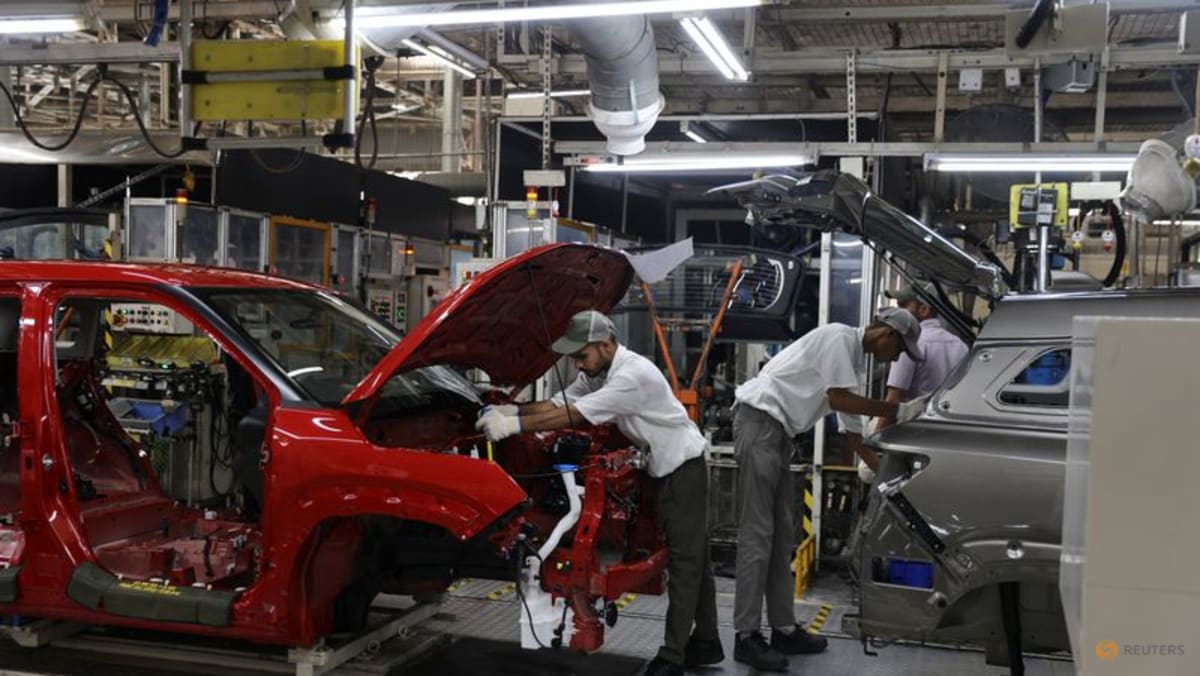
Partho Banerjee, senior executive director for marketing and sales at Maruti Suzuki, told reporters that the production team is working to resolve the capacity issues. The company currently faces approximately 175,000 pending bookings and has resorted to operating manufacturing plants on Sundays and public holidays to meet customer demand.
Maruti Suzuki Production Challenges Impact Wait Times
The Japanese automaker’s subsidiary has struggled to keep pace with rising local demand in recent months. Popular mass-market vehicles such as the Wagon R now have waiting periods extending beyond one month, according to company reports.
To address these challenges, Maruti Suzuki is currently utilizing some production lines to assemble vehicles across multiple segments. However, the carmaker does not expect to add significant additional capacity until 2026, meaning customers may face extended delivery times in the interim.
Domestic Sales Show Mixed Performance
The January sales data revealed divergent trends across vehicle categories for Maruti Suzuki. Small car sales declined 9.8 percent compared to the same month last year, while utility vehicle sales demonstrated stronger performance with a 16 percent increase.
Meanwhile, the cumulative domestic sales figures from October through January showed more robust growth at 16.5 percent. This improvement followed substantial tax cuts implemented by the Indian government in late September, which helped stimulate consumer demand in the automotive sector.
Export Growth Drives Overall Performance
International shipments have emerged as a bright spot for Maruti Suzuki amid domestic production constraints. The company achieved record-high export volumes in January, driven primarily by strong demand from Japan, South Africa, and Saudi Arabia.
Additionally, exports increased 22 percent during the October to January period, demonstrating sustained international appetite for Indian-manufactured vehicles. The executive indicated that Maruti Suzuki is evaluating opportunities to expand its European presence under India’s trade agreement with the European Union.
Competitive Landscape Shows Industry-Wide Growth
Other major automotive manufacturers in India also reported strong performance figures. Hyundai Motor India and Tata Motors Passenger Vehicles both achieved their highest-ever monthly domestic sales on Sunday, according to company announcements.
In contrast to Maruti Suzuki production constraints, SUV specialist Mahindra & Mahindra posted a 25 percent rise in monthly vehicle dispatches. These results suggest robust overall demand in the Indian automotive market despite individual manufacturers facing varying operational challenges.
Production Expansion Plans Delayed Until 2026
The timeline for resolving capacity limitations remains uncertain for Maruti Suzuki customers. Banerjee emphasized that the production team is actively working on solutions but stopped short of providing specific dates for when wait times might improve.
However, the company’s plans to add manufacturing capacity in 2026 suggest that current constraints may persist throughout much of the intervening period. The carmaker continues to maximize existing facilities by operating on weekends and holidays to gradually reduce the backlog of pending orders.
Industry observers will monitor whether Maruti Suzuki announces any interim capacity additions before 2026 or if the company maintains its current timeline. The resolution of these production constraints will likely determine whether the automaker can maintain its market leadership position as competitors report record sales figures.