



Listen to the article
Researchers have developed a groundbreaking artificial intelligence method to identify which dinosaur species created fossilized footprints, addressing a challenge that has puzzled paleontologists for generations. The new approach analyzes eight distinct features of dinosaur footprints to provide objective classifications, according to a study published in the Proceedings of the National Academy of Sciences. Lead author Gregor Hartmann, a physicist at the Helmholtz-Zentrum Berlin research center in Germany, explained that this technique reduces reliance on subjective human interpretation.
The algorithm was trained using 1,974 footprint silhouettes spanning 150 million years of dinosaur history. University of Edinburgh paleontologist Steve Brusatte, the study’s senior author, noted that matching tracks to trackmakers has been a persistent debate among scientists studying these ancient creatures.
How AI Analyzes Dinosaur Footprint Features
The artificial intelligence system identifies eight key characteristics that explain variations in track shapes. These include overall load and shape reflecting the foot’s ground contact area, toe spread, how toes attach to the foot, and heel position. Additionally, the algorithm evaluates the load from the heel, the relative emphasis of toes versus heel, and shape discrepancies between left and right sides of the track.
According to Hartmann, identifying fossilized footprints remains inherently uncertain due to multiple complicating factors. The shape of a track depends on what the dinosaur was doing at the time, whether walking, running, jumping, or swimming. The moisture and type of substrate, along with how the footprint was buried and altered by erosion over millions of years, all contribute to significant variations.
Understanding the Challenge of Track Identification
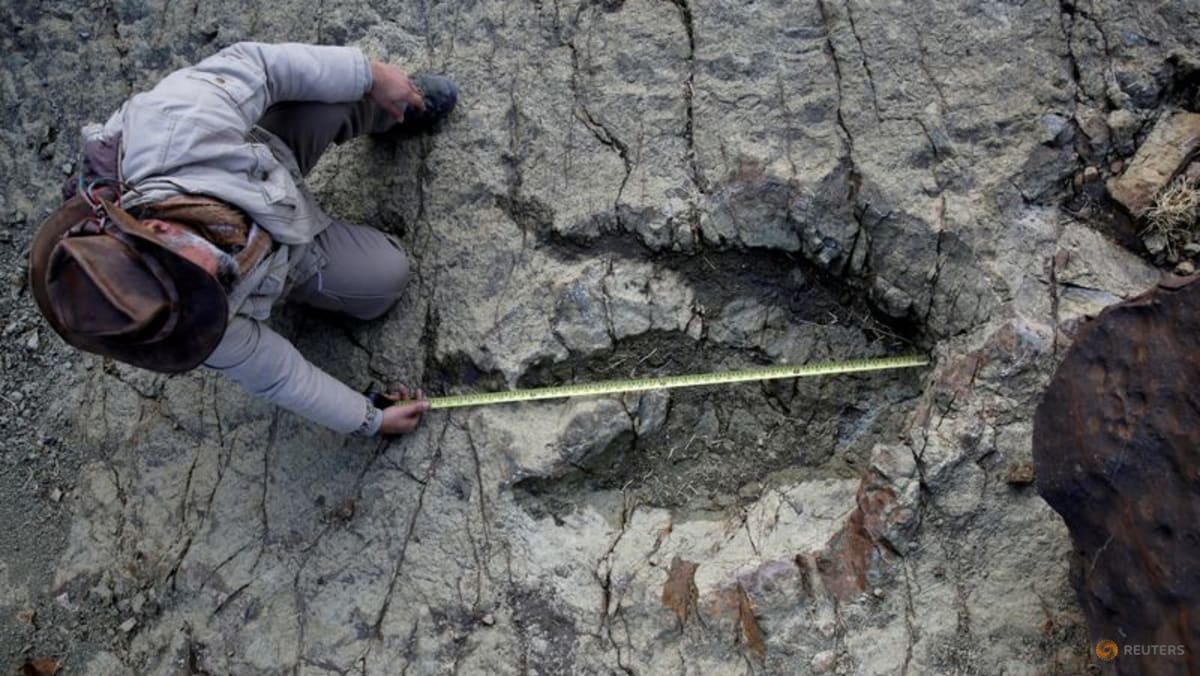
The same dinosaur can leave vastly different-looking tracks depending on these environmental and behavioral factors. Brusatte noted that size variation in dinosaur footprints can be extreme, ranging from small meat-eating dinosaur tracks the size of chicken prints to massive long-necked sauropod footprints the size of bathtubs.
However, footprints are among the most abundant dinosaur fossils, often outnumbering bones, teeth, and other remains. These tracks provide valuable information about the environments dinosaurs inhabited and, when multiple tracks are present, reveal which animals shared ecosystems. Meanwhile, other fossilized remains such as skin impressions, feces, vomit, stomach contents, eggshells, and nest remnants offer additional insights but are less commonly found.
Validating Ancient Bird Evolution Through Footprint Analysis
The algorithm produced one particularly intriguing finding when examining seven small, three-toed footprints approximately 210 million years old from South Africa. The AI validated previous scientific assessments that these tracks closely resemble bird footprints, despite being 60 million years older than the earliest-known avian fossils. Birds evolved from small bipedal feathered dinosaurs, making this discovery significant for understanding evolutionary timelines.
In contrast to proving these were made by birds, Brusatte emphasized the footprints may have been created by previously unknown dinosaurs ancestral to birds or by unrelated dinosaurs that happened to have bird-like feet. He acknowledged that only one instance exists where paleontologists found a dinosaur skeleton at the end of a trackway made by that animal, making track identification comparable to matching Cinderella’s foot to the slipper.
Researchers will continue refining the AI method as more footprint data becomes available, potentially resolving longstanding debates about track origins and providing clearer insights into dinosaur diversity and distribution. The timeline for widespread adoption of this technology among paleontologists remains uncertain, though the objective framework it provides represents a significant advancement in the field.