


Listen to the article
Singapore’s Economic Strategy Review committee is working to intensify career conversion programmes as a proactive measure to save jobs amid economic restructuring, according to committee co-chair Desmond Choo. The initiative aims to upgrade workers’ skills before companies implement retrenchments, focusing on preventing employees from falling out of the workforce entirely.
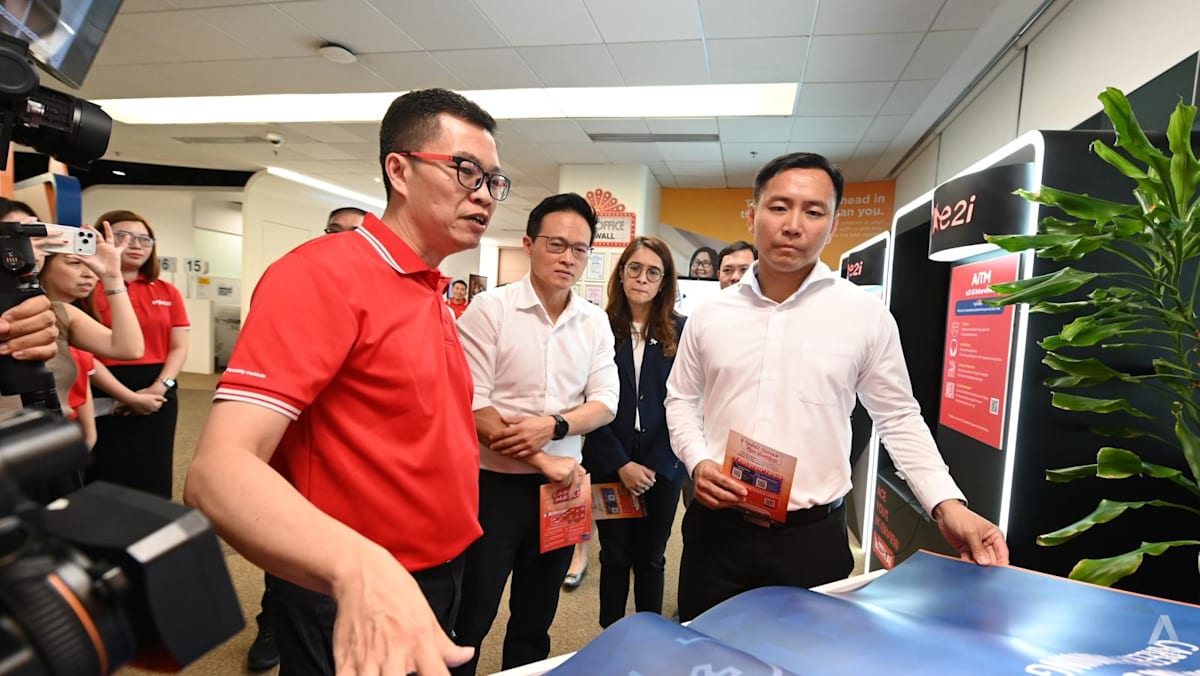
The committee announced this approach during a midterm update on Monday, February 9. Co-chaired by Choo, who serves as Minister of State for Defence and deputy secretary-general of the National Trades Union Congress, and Goh Pei Ming, Minister of State for Home Affairs and Social and Family Development, the committee is one of five groups developing an economic blueprint for Singapore.
Expanding Career Conversion Programmes to Protect Employment
The intensified career conversion programmes would involve collaboration with companies planning significant business changes. According to Choo, the strategy focuses on working with these organizations to proactively upgrade employee skills before any workforce reductions occur. This preventive approach represents a shift from reactive retraining to anticipatory skills development.
Choo told reporters that career conversion programmes administered by Workforce Singapore have demonstrated strong results in recent years. The committee plans to expand these initiatives by working closely with trade associations, chambers of commerce, and individual companies to identify additional opportunities for such programmes.
Introducing Career Bridges for Smoother Transitions
Additionally, the committee is developing the concept of “career bridges” to address worker resistance and hesitation toward acquiring new skills and changing industries. This approach recognizes that workers possess transferable skills that remain valuable across different sectors, rather than assuming their existing expertise becomes irrelevant during transitions.
Career bridges operate on the principle that employees already possess a significant percentage of skills required for roles in other industries. According to Choo, this framework helps workers understand their existing capabilities while identifying specific skill gaps that need addressing for successful career transitions.
The committee specifically identified administrative workers as a group that could benefit from career bridges, particularly as artificial intelligence increasingly impacts their sector. These workers could transition to more resilient industries such as healthcare, which offers different career trajectories and greater long-term stability.
Context Behind the Economic Strategy Review
The Economic Strategy Review committee previously announced seven key recommendations in January following extensive consultation with businesses and workers. These recommendations form part of Singapore’s broader effort to adapt its economy to emerging challenges including technological disruption and global economic shifts.
However, the success of intensified career conversion programmes will depend on early engagement with companies and workers. The proactive nature of the initiative requires organizations to share their restructuring plans sufficiently in advance, allowing time for meaningful skills upgrading before any employment decisions are finalized.
Meanwhile, the effectiveness of career bridges relies on accurate skills mapping and genuine opportunities in receiving industries. Workers must have confidence that their transferable skills will be recognized and valued in new sectors, while employers in growing industries need to demonstrate willingness to hire career switchers.
The committee continues its work on implementing these strategies alongside the other four committees developing Singapore’s economic blueprint. Authorities have not yet announced specific timelines for rolling out the expanded career conversion programmes or detailed frameworks for career bridges, though these initiatives are expected to be developed in coordination with Workforce Singapore and industry partners.