





Listen to the article
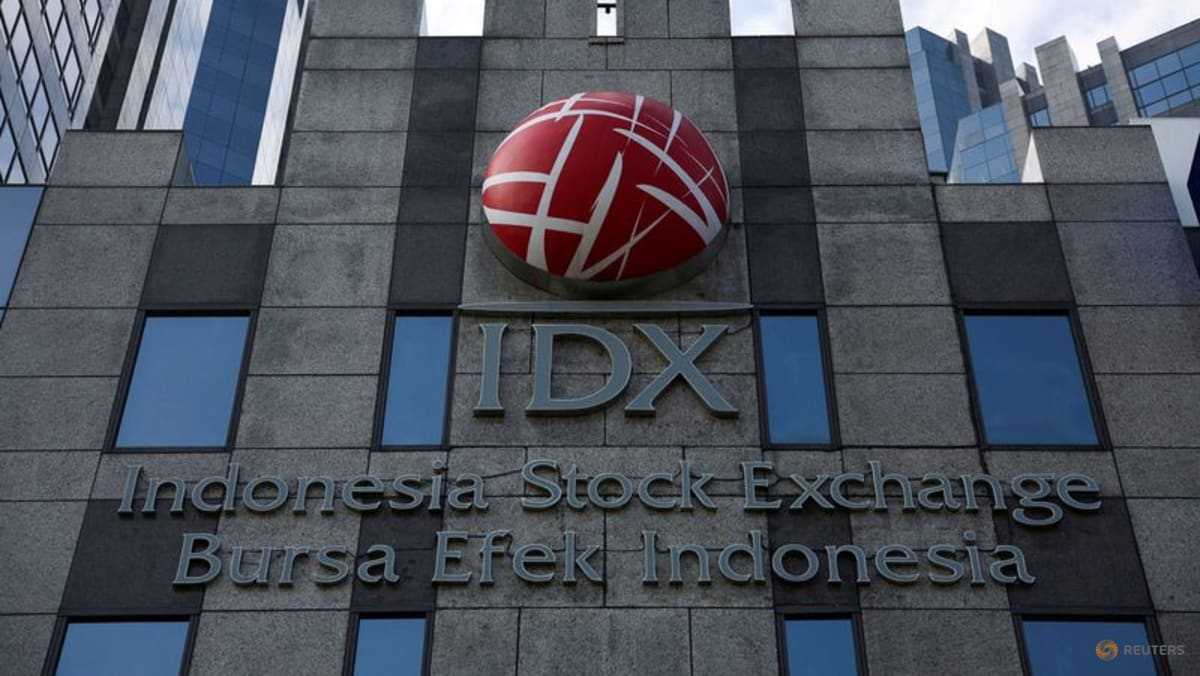
Indonesia is preparing to brief global index provider MSCI this week on capital market reforms, following concerns that triggered a massive selloff in the country’s stock market. The Indonesian Stock Exchange announced the meeting will take place during the second week of February, with local media reporting Wednesday as the scheduled date, as Jakarta seeks to address transparency and ownership issues flagged by MSCI.
The Southeast Asian nation has seen approximately $120 billion in market capitalization erased since MSCI raised red flags about stock ownership and transparency late last month. The situation worsened after Moody’s downgraded Indonesia’s bond-rating outlook to negative, accelerating capital outflows from the region’s largest economy.
Indonesia Capital Market Reforms Take Center Stage
According to the exchange’s statement, bourse executives and financial regulators held an initial virtual meeting with MSCI on February 2. During that discussion, Indonesian authorities proposed several reforms including disclosing names of shareholders holding at least one percent ownership stakes and providing more detailed investor classifications.
Additionally, Jakarta offered to double the minimum free float requirement for listed companies. However, MSCI has not publicly commented on these proposals or confirmed details about the upcoming meeting.
Timeline for Implementation
The Indonesian Stock Exchange indicated it plans to publish shareholder-disclosure data on its website this month. Meanwhile, more granular investor classifications are expected to be available by the end of March, which also serves as the deadline for new regulations raising minimum free float requirements.
The reforms represent a significant effort by Indonesian regulators to improve stock market transparency and restore investor confidence. The Financial Services Authority, known as OJK, stated it had held intensive discussions with the World Bank on global best practices for capital-market reforms.
Enforcement Actions Signal Serious Intent
In contrast to previous regulatory approaches, OJK has begun imposing penalties on companies for inappropriate conduct. The regulator announced it froze UOB Kay Hian Sekuritas’ underwriting permit for one year over improper due diligence of clients before a 2019 initial public offering.
Furthermore, five senior officials at both the stock exchange and OJK have resigned following the market selloff. These departures underscore the seriousness with which Indonesian authorities are treating the crisis and their commitment to restoring market integrity.
Broader Economic Concerns
The MSCI warning and Moody’s downgrade have emerged against a backdrop of growing investor concerns about central bank independence and fiscal stability. President Prabowo Subianto has set an ambitious target of lifting economic growth to eight percent from the current five percent, raising questions about policy sustainability.
However, investor sentiment has been particularly rattled by governance concerns. The rupiah hit a record low of 16,985 to the dollar last month after Prabowo nominated his nephew, Thomas Djiwandono, to a senior central bank position, according to market reports.
Market Shows Signs of Stabilization
Djiwandono was sworn in as deputy governor of Bank Indonesia on Monday, having previously served as vice finance minister. On the same day, Indonesia’s main stock index rebounded 1.2 percent, while the rupiah strengthened to 16,795 per dollar, suggesting some stabilization in market sentiment.
The outcome of this week’s meeting between Indonesian authorities and MSCI will likely determine whether investor confidence continues to recover or if further capital outflows lie ahead. MSCI’s response to Indonesia’s reform proposals remains uncertain, and officials have not confirmed whether additional measures may be required to address the index provider’s concerns.