


Listen to the article
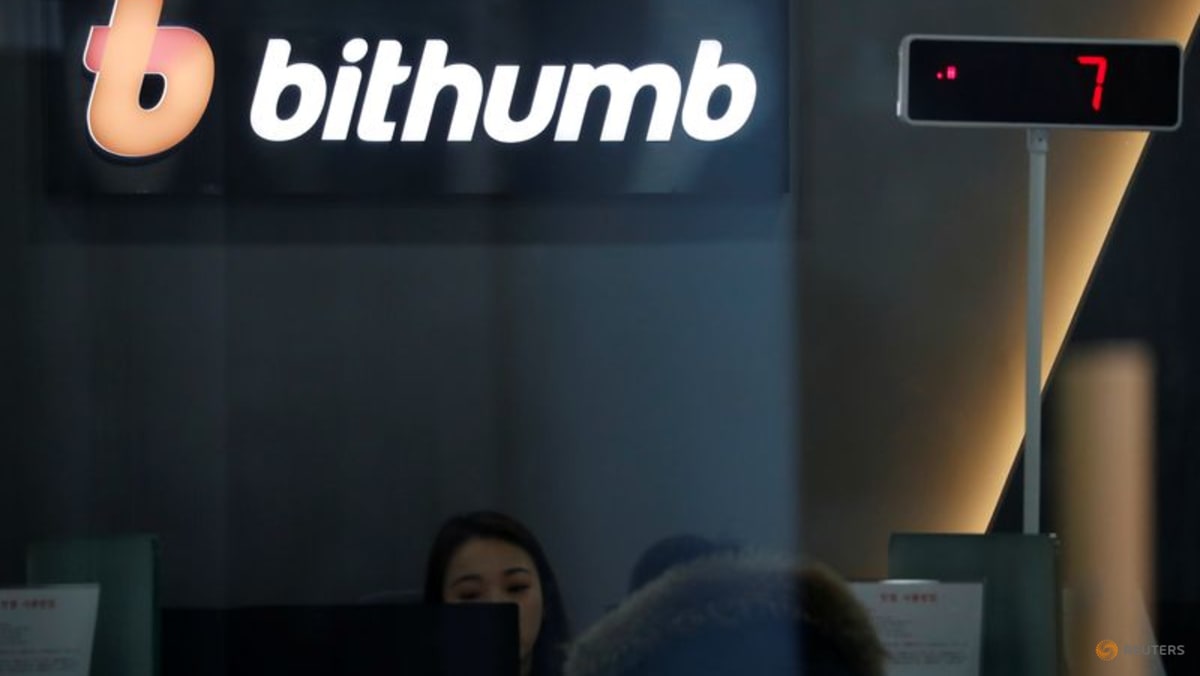
South Korea’s financial watchdog has called for stronger cryptocurrency regulations following a major technical glitch at Bithumb, one of the country’s largest digital asset exchanges. The Financial Supervisory Service announced on Monday that the incident, which saw the exchange accidentally distribute more than $40 billion in bitcoin to customers, highlights critical vulnerabilities in cryptocurrency exchange systems that require immediate regulatory attention.
According to the exchange, the massive giveaway occurred on Friday as part of a promotional rewards program error. Bithumb suspended transactions after discovering the mistake, which triggered significant selling pressure on the platform before trading was halted.
Cryptocurrency Regulation Gaps Exposed by Bithumb Incident
Lee Chan-jin, governor of the Financial Supervisory Service, addressed the incident at a press conference, emphasizing the structural weaknesses revealed by the technical failure. He stated that authorities would seriously examine the problems uncovered as they work to bring digital assets under comprehensive regulatory control through new legislation.
“It is a case that shows the structural problems of electronic systems for virtual assets,” Lee explained, according to official statements. The governor specifically highlighted concerns about the reliability of electronic systems used by cryptocurrency exchanges.
Additionally, Lee noted significant improvements to the regulatory framework are necessary as virtual assets transition into the legacy financial system. The watchdog’s response signals growing unease among South Korean regulators about the operational risks associated with digital asset platforms.
Recovery Efforts and Legal Obligations
Initial investigation results indicate that Bithumb successfully retrieved 99.7 percent of the 620,000 bitcoins mistakenly distributed to customers. However, some recipients quickly sold their windfall before the exchange suspended trading activity.
Of the 1,786 bitcoins that were sold before the suspension, authorities report that 93 percent have been recovered. The FSS confirmed that customers who sold the accidentally distributed bitcoin remain legally obligated to return the equivalent value to the exchange.
Meanwhile, media reports suggested that Bithumb distributed more bitcoin than it actually held in reserve. Lee addressed these concerns by stating that the issue of “ghost coins” must be resolved before cryptocurrencies can be considered legitimate financial assets worthy of integration into traditional markets.
Implications for Digital Asset Industry
The incident comes at a challenging time for South Korea’s cryptocurrency sector. The country introduced the Virtual Asset User Protection Act in July 2024, which aimed to strengthen investor protections following the 2022 market collapse triggered by the terraUSD and luna cryptocurrencies.
In contrast to earlier optimism, the Bithumb error has dampened industry momentum. One market analyst, speaking on condition of anonymity due to the matter’s sensitivity, expressed regret that the incident occurred just as financial firms were pursuing mergers and acquisitions based on expectations of supportive policy measures.
Furthermore, the government has been developing additional legislation to expand regulatory oversight of digital assets. Policymakers and lawmakers are also engaged in ongoing discussions about won-denominated stablecoins as part of broader cryptocurrency regulation efforts.
Regarding plans to introduce spot bitcoin exchange-traded products in South Korea, Lee indicated he would maintain cautious views. He emphasized that stability must be ensured before bitcoin can be recognized as a legacy financial asset suitable for mainstream investment vehicles.
Authorities have not confirmed a specific timeline for implementing enhanced cryptocurrency exchange regulations or resolving the remaining issues from the Bithumb incident. The government is expected to consider the findings from this investigation as it finalizes upcoming digital asset legislation.