



Listen to the article
Singapore’s National Trades Union Congress (NTUC) secretary-general Ng Chee Meng will propose mandatory advance retrenchment notifications during the 2026 Budget debates, the labour movement announced on Monday. The call seeks to reform existing regulations that currently allow employers to notify authorities only after employees have been informed of job terminations. This push for mandatory advance retrenchment notifications comes amid growing concerns about insufficient warning periods for workers facing job losses.
Under current rules, companies with at least 10 employees must notify the Ministry of Manpower within five working days after informing an employee of retrenchment. Employers who fail to comply face an administrative penalty of S$1,000, according to the Tripartite Guidelines on Mandatory Retrenchment Notifications. However, recent cases involving bakery chain Twelve Cupcakes and e-commerce platform Lazada have highlighted instances where employers did not provide workers or unions with advance notice before implementing layoffs.
Balancing Employer Flexibility and Worker Protection
The existing notification framework aims to enable tripartite partners to assist retrenched employees in finding alternative employment and accessing relevant training programs. Manpower Minister Tan See Leng previously explained in parliament that not requiring advance notice maintains a balance between giving employers time to finalize decisions and ensuring prompt assistance reaches affected workers. Nevertheless, labour advocates argue that the current system leaves employees vulnerable to sudden job loss without adequate preparation time.
Additionally, Mr. Ng will advocate for enhanced job support from companies to help retrenched workers access employment opportunities more effectively. The NTUC secretary-general emphasized the need for stronger government support programs, particularly as artificial intelligence-driven job disruptions become increasingly common. Singapore’s 2026 Budget statement is scheduled for delivery on Thursday, with parliamentary debates to follow.
Focus on Professional Workers and AI Impact
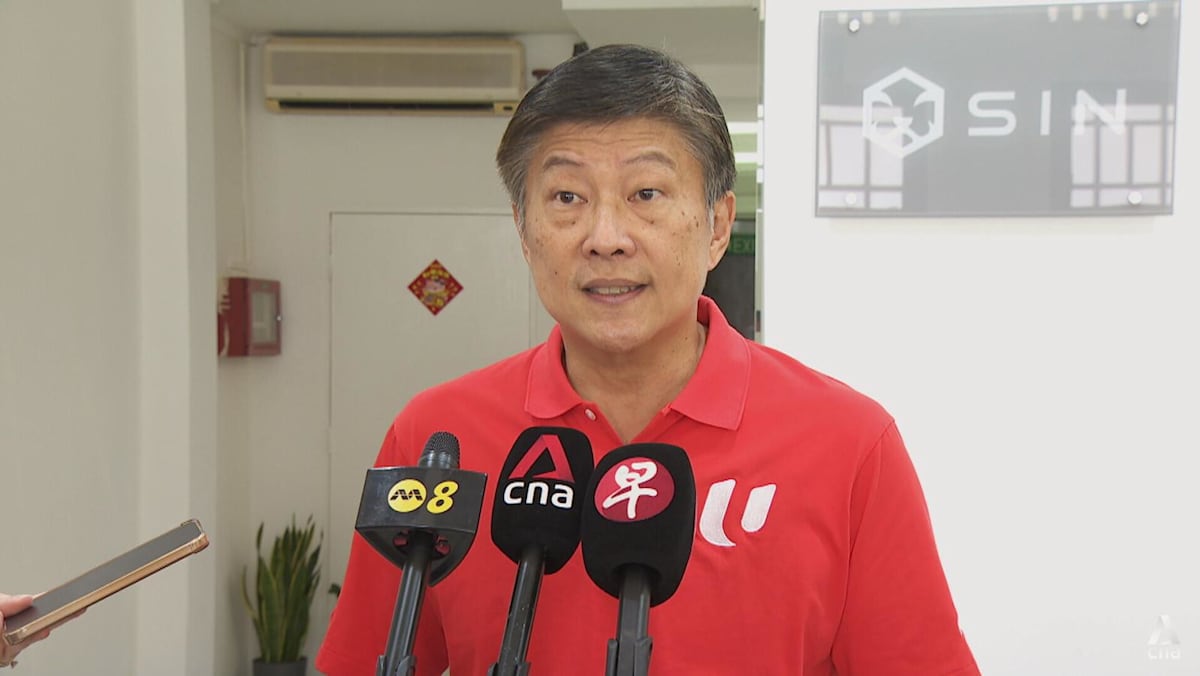
Mr. Ng told reporters on Monday that the labour movement is particularly focused on supporting professional white-collar workers amid technological disruption. He highlighted concerns among professionals, managers and executives about artificial intelligence’s impact on their careers. According to a 2025 NTUC survey, 56 per cent of PMEs felt they need to develop their skills to remain relevant, reflecting widespread anxiety about keeping pace with AI-related workplace changes.
Meanwhile, the NTUC will push for strengthened support under existing programs such as the Jobseeker Support Scheme for involuntarily unemployed workers. PMEs represent 45 per cent of NTUC’s membership base, which exceeded 1.4 million members in 2025. This significant portion of the membership underscores the importance of addressing professional workers’ concerns about job security and skills development.
Implications for Workplace Retrenchment Policies
The proposed changes to retrenchment notification requirements could significantly alter how companies manage workforce reductions in Singapore. Mandatory advance notifications would give employees more time to seek alternative employment and access retraining opportunities before losing their current positions. However, employers may face additional administrative burdens and potentially more complex workforce planning processes.
In contrast, the current penalty structure for non-compliance remains relatively modest at S$1,000 per violation. The Tripartite Guidelines mention stronger enforcement actions for willful disregard but do not specify what measures authorities might impose. Whether the Budget debates will address enhanced penalties alongside advance notification requirements remains unclear.
The outcome of Mr. Ng’s Budget proposals will become clearer following parliamentary debates scheduled after Thursday’s Budget delivery. Authorities have not confirmed whether the government will accept recommendations for mandatory advance retrenchment notifications or enhanced support schemes for workers affected by AI-driven job disruptions.