



Listen to the article
Japanese companies retain the authority to reject unsolicited takeover bids regardless of the premium offered, according to a senior official at the country’s industry ministry. This clarification comes as Japan’s Ministry of Economy, Trade and Industry prepares to update its merger and acquisition guidelines in May, emphasizing corporate boards’ right to refuse bids they deem contrary to long-term corporate value.
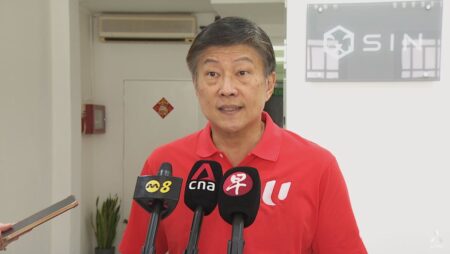
Hiroyuki Sameshima, director at METI’s corporate system division, confirmed that boards can decline offers if they believe current management can better enhance corporate value or if they suspect potential asset stripping or technology extraction by acquirers. The updated M&A code will reinforce these rights while maintaining that shareholders ultimately decide whose plans are more credible based on disclosure from both parties.
Growing Concerns Over Unsolicited Takeover Bids
The ministry’s stance reflects mounting concerns within Prime Minister Sanae Takaichi’s government about protecting access to critical technology amid increased unsolicited takeover activity. Takaichi, a hardline conservative who won a landslide election victory recently, has expressed unease about foreign acquirers potentially gaining control of strategically important Japanese firms.
Japan has experienced a surge in unsolicited takeover offers since METI introduced its M&A code of conduct three years ago. The guidelines were originally designed to discourage excessive defensive tactics and promote healthy industry consolidation across Corporate Japan.
Record M&A Activity in Japan
According to Recof Data, merger and acquisition activity involving Japanese firms reached a record 35.7 trillion yen, equivalent to $228 billion, last year. Eight unsolicited bids were launched during this period, with half proving successful, demonstrating the growing prominence of hostile takeover attempts in the Japanese market.
Meanwhile, notable cases have illustrated the diverse outcomes of such bids. Taiwan’s Yageo successfully completed an unsolicited bid for Shibaura Electronics last year in what was considered a landmark transaction. In contrast, Canada’s Alimentation Couche-Tard withdrew its bid for Seven & i, citing insufficient engagement from the target company.
Balancing Shareholder Interests and Corporate Protection
However, the planned update risks disappointing investors who advocate for greater emphasis on shareholder returns. Critics argue that companies may cite vaguely defined concepts of corporate value to avoid meaningful engagement with potential acquirers offering substantial premiums.
Additionally, Sameshima emphasized that the guideline revisions are not intended to encourage companies to implement takeover defense measures. He stressed that the changes are unlikely to slow the rising trend of unsolicited takeover bids in Japan’s evolving corporate landscape.
Expert Perspectives on the Guidelines
Kazunori Suzuki of Waseda Business School acknowledged that M&A guidelines have made management more conscious of share prices. Nevertheless, he noted concerns about takeover cases where the acquirer’s managerial capability remains questionable, highlighting the complexity of evaluating unsolicited bids.
Furthermore, Suzuki suggested that increased disclosure around buyers’ assumptions, including expected sales growth and cost reductions, would help stakeholders form better judgments about takeover feasibility. He acknowledged, however, that preventing shareholders focused solely on high-price exits from tendering their shares would prove impossible.
The updated M&A code is scheduled for release in May, though specific details about additional provisions beyond board rejection rights have not been confirmed. The guidelines will need to balance protecting Japanese corporate interests while maintaining the country’s attractiveness to legitimate investors and merger partners.