


Listen to the article
The United Arab Emirates aviation sector continues to cement its position as a key driver of national economic growth and job creation, according to industry stakeholders and government entities. The sector is experiencing rapid expansion across airports, airlines, and related infrastructure, generating thousands of specialized employment opportunities while strengthening Emiratisation programs and human capital development initiatives.
The General Civil Aviation Authority reported that the UAE aviation sector provides approximately one million direct and indirect jobs and contributes around 18 percent to the country’s gross domestic product. This makes aviation one of the fundamental pillars of comprehensive development in the Emirates, according to the authority.
Major Employment Drive in UAE Aviation Sector
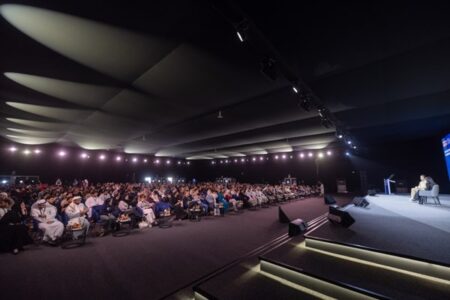
In January, the General Civil Aviation Authority organized the “Promising Future” aviation employment exhibition in collaboration with strategic partners. More than 13,000 interested candidates registered for the event, with thousands of students and job seekers interviewed by 27 participating organizations representing airlines, airports, manufacturers, and training academies.
The authority disclosed that the civil aviation sector currently employs a growing professional workforce including more than 10,000 pilots, 38,000 cabin crew members, 4,651 engineers, 464 air traffic controllers, and 427 flight dispatchers. These figures support the ongoing growth trajectory and development of the sector.
Abu Dhabi Airports Expands Workforce
Abu Dhabi Airports confirmed its commitment to creating an attractive work environment for national and international talent amid infrastructure expansion across its five airports. The organization has increased UAE national representation across various operational, strategic, and commercial departments.
Hanan Ibrahim Al Abed, Chief Human Resources Officer at Abu Dhabi Airports, stated that Emiratisation represents a strategic priority. The approach is supported by a comprehensive system including direct recruitment, graduate programs, specialized technical pathways, leadership development, scholarships, and long-term retention plans for national talent.
Additionally, Al Abed indicated that a significant number of new positions will be created at Abu Dhabi Airports during 2026. This expansion aligns with operational growth, service development, and enhanced digital capabilities to meet increasing travel demand. She noted that digital transformation and artificial intelligence have increased demand for skills in data analysis, cybersecurity, systems integration, digital project management, and advanced passenger experience design.
Airlines Strengthen National Employment Goals
Etihad Airways emphasized that the aviation sector serves as a major supporter of the national economy through specialized employment opportunities and its role in enhancing growth and global connectivity for the UAE. Fatima Mohammed Al Hamadi, Senior Manager of Human Resources and National Talent Development at Etihad Airways, revealed that approximately 1,200 Emirati professionals currently work for the carrier.
The airline has plans to double this number over the next five years by recruiting an additional 1,200 UAE nationals across multiple fields. This initiative forms part of broader industry efforts to build sustainable national workforce capacity.
Maintenance Sector Sees Growth Opportunities
Ibrahim Boudbes, Head of Human Resources at Sanad Group, explained that post-COVID-19 recovery contributed to increased demand for travel and new aircraft. This trend has positively impacted engine maintenance services, supply chains, and production, thereby boosting requirements for specialized technical expertise.
Meanwhile, Boudbes reported that the Emiratisation rate at Sanad Group reached approximately 36 percent by the end of last year. The organization maintains plans to increase this percentage annually in support of the national Emiratisation agenda and to build a sustainable base of Emirati specialists in aircraft engine maintenance.
He further noted that rising demand for new aircraft has increased requirements for maintenance, repair, and overhaul services, creating quality job opportunities within the UAE. The country’s strategic location has positioned it as a global hub attracting talent and expertise from around the world.
Industry stakeholders expect employment growth in the UAE aviation sector to continue throughout 2026 and beyond, driven by ongoing infrastructure projects and increasing passenger traffic. However, the specific timeline for achieving announced recruitment targets will depend on operational expansion rates and market conditions.