


Listen to the article
The UAE Ministry of Investment has released a comprehensive report titled “From Capital Exporter to Financial Leadership: The Evolving Role of the UAE in Global Finance,” offering detailed insights into the nation’s transformation into one of the world’s most dynamic and future-ready financial systems. The report examines how the UAE has emerged as a global financial hub encompassing banking services, wealth and asset management, insurance, financial technology, Islamic finance, sustainable finance, and digital assets.
According to the ministry, the report traces the UAE financial sector journey from establishing financial institutions at the turn of the millennium to its current status as a major international financial center. Additionally, the document demonstrates how ambitious government vision, strategic policy choices, sustained infrastructure investment, and advanced regulatory frameworks have positioned the Emirates as a safe destination for capital and a trusted center for its deployment.
Foreign Direct Investment Drives UAE Financial Growth
The report highlighted the pivotal role of foreign direct investment in the country’s financial services sector. Despite global FDI flows declining in 2024, the UAE achieved remarkable growth of 48.7 percent year-on-year, with foreign direct investment reaching $45.6 billion. This performance officially placed the Emirates among the world’s top ten destinations for foreign direct investment.
Since 2022, the finance and insurance sector has accounted for approximately 21 percent of total inbound FDI stock to the UAE. Furthermore, the financial sector has maintained a stable contribution of between 9 and 10 percent of GDP from 2018 to 2024, according to ministry data.
Strategic Vision Underpins Financial Transformation
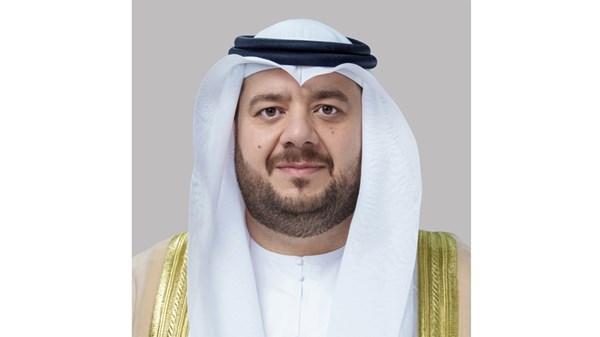
His Excellency Mohammed Hassan Al Suwaidi, Minister of Investment, stated that based on a clear and forward-looking economic vision, the UAE has evolved from a traditional capital exporter to an active partner in shaping the global financial ecosystem. He emphasized that foreign direct investment has been fundamental to this transformation, supporting the financial sector’s consistent GDP contribution and reinforcing the country’s position as a leading center for international capital.
The minister added that through the Ministry of Investment, the UAE continues its commitment to enabling a flexible, future-ready, and globally connected investment ecosystem that supports responsible innovation and promotes sustainable growth. However, this transformation required more than capital flows alone.
Institutional Framework Enables Financial Innovation
The report underscored the UAE’s institutional infrastructure as a decisive factor in enabling the country’s financial transformation. Institutions including the Abu Dhabi Securities Exchange, Abu Dhabi Global Market, Dubai Financial Market, and Dubai International Financial Centre have contributed to building a multi-jurisdictional ecosystem aligned with international standards.
Meanwhile, regarding the nation’s innovation-driven approach, the report showcased pioneering initiatives including the Financial Infrastructure Transformation Program and the establishment of instant payment platforms. Additionally, the launch of the digital dirham, a dirham-backed stablecoin, and regulatory frameworks specifically designed for digital assets have solidified the UAE’s position as one of the most supportive markets for cryptocurrencies and financial technology.
Global Companies Validate Competitive Ecosystem
The ministry report also addressed leading global companies and investment platforms that originated or were established through partnerships in the UAE. In contrast to many emerging markets, this represents tangible evidence of the strength and global competitiveness of the country’s financial ecosystem.
The release of this report reaffirms the UAE’s commitment to expanding opportunities for investors, innovators, and global institutions looking to participate in this evolving financial landscape. Authorities have not announced specific timelines for follow-up initiatives, though continued regulatory development appears likely as the financial sector continues its rapid expansion.