


Listen to the article
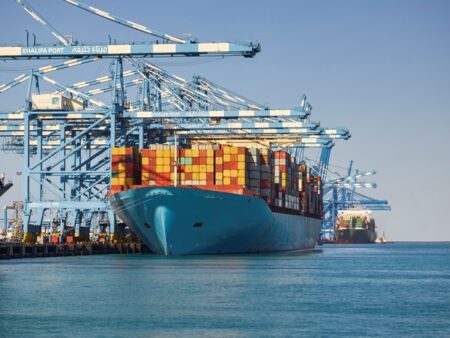
The United Arab Emirates and the Democratic Republic of Congo have signed a Comprehensive Economic Partnership Agreement that UAE officials say will significantly expand bilateral trade and investment opportunities across Africa. Ministers and senior government officials confirmed that the comprehensive economic partnership agreement reflects the country’s commitment to broadening international economic partnerships and strengthening its commercial presence throughout the African continent while supporting sustainable development and linking emerging economies with global markets.
According to UAE officials, the agreement aims to expand cooperation in vital sectors including trade, industry, energy, agriculture, and infrastructure. The partnership also focuses on supporting innovation, developing supply chains, and enhancing investment flows as part of the UAE’s broader comprehensive economic partnership agreements program designed to cement its position as a global trade and investment platform.
Strategic Framework for Economic Diversification
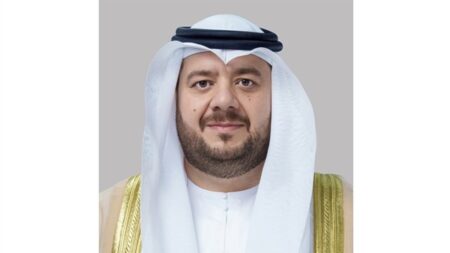
Mohammad bin Hadi Al Hussaini, Minister of State for Financial Affairs, stated that signing the comprehensive economic partnership agreement with the Democratic Republic of Congo represents an important step in the UAE’s strategic vision for economic diversification and growth. He noted that the agreement will elevate investment flows and improve market access, reinforcing both nations’ readiness to achieve mutual benefit through strengthened financial ties and reduced trade barriers.
The minister emphasized that the partnership demonstrates the UAE’s commitment to building a resilient and diversified economy capable of adapting to global challenges. Additionally, the agreement establishes pathways for broader economic cooperation that aligns with the country’s long-term development objectives.
Opening New Opportunities in Energy and Infrastructure
Suhail bin Mohammed Faraj Faris Al Mazrouei, Minister of Energy and Infrastructure, highlighted that the agreement opens new pathways for cooperation in energy development and infrastructure projects. He explained that the Democratic Republic of Congo, rich in natural resources, presents tremendous opportunities for investment in renewable energy, logistics services, and critical infrastructure projects.
The minister added that the comprehensive economic partnership agreement facilitates mutual investment flows while focusing on transparency and financial protection to ensure investor confidence. By leveraging the UAE’s expertise and Congo’s strategic location as a gateway to Central Africa, both nations can jointly address critical infrastructure needs and support sustainable energy initiatives.
Industrial and Technological Cooperation Platform
Dr. Sultan bin Ahmed Al Jaber, Minister of Industry and Advanced Technology, affirmed that the agreement holds significant importance as it aligns with the leadership’s vision of building bridges with the international community. The partnership represents a valuable opportunity to establish a vital platform for industrial and technological cooperation between both countries.
He noted that the Democratic Republic of Congo possesses distinguished growth potential as one of Africa’s leading economies with abundant natural resources. Furthermore, the agreement facilitates access to a major market in Central Africa and aligns with the UAE’s vision to strengthen global supply chains, increase investments, and create new opportunities for businesses in both nations, particularly in advanced manufacturing and energy technology sectors.
Expanding Trade Relations and Market Access
Dr. Thani bin Ahmed Al Zeyoudi, Minister of Foreign Trade, described the comprehensive economic partnership agreement as an important step toward deepening rapidly growing trade relations with the African continent. According to the minister, non-oil trade between the UAE and the Democratic Republic of Congo reached $2.9 billion in 2025, representing a 16.1% increase compared to 2024.
Meanwhile, the UAE’s non-oil exports totaled $118.4 million with annual growth of 33.8%. The minister explained that the agreement builds on existing strong relations to improve market access, reduce trade barriers, and enhance cooperation in high-growth sectors including mining, agriculture, and energy.
By streamlining supply chains and promoting innovation, the partnership aligns with the UAE’s vision to raise foreign trade value to 4 trillion dirhams by 2031. However, the agreement also positions the country to strengthen its role as a global trade platform while creating shared prosperity for both nations.
Healthcare and Pharmaceutical Cooperation
Ahmed bin Ali Al Sayegh, Minister of Health and Community Protection, confirmed that the agreement demonstrates commitment to enhancing international partnerships that support community health and achieve sustainable development. The framework provides important provisions for expanding cooperation in healthcare, pharmaceutical security, and medical supply chains.
In contrast to traditional trade agreements, this partnership specifically addresses preventive health, medical industries, and sustainable health services. The minister indicated that through deepening cooperation, both countries open new horizons for investment and establish knowledge exchange mechanisms that enhance healthcare system capabilities.
Investment and Economic Integration
Mohammed Hassan Al Suwaidi, Minister of Investment, emphasized that the agreement contributes to expanding the UAE’s network of trade and investment partners across Africa, one of the world’s most important growth regions. The Democratic Republic of Congo offers wide-ranging opportunities for Emirati investors in vital sectors such as mining, agriculture, and renewable energy.
Ahmed Abdullah bin Lahej Al Falasi, Director General of Customs and Ports Security at the Federal Authority for Identity and Citizenship, noted that the comprehensive economic partnership agreement will significantly reduce customs duties and eliminate trade barriers. This will facilitate smoother flows of goods and services while supporting trade diversification efforts and improving supply chain dynamics.
Officials have not confirmed specific implementation timelines for all provisions of the agreement, though the partnership is expected to progressively reduce tariffs and regulatory obstacles in coming months as both nations finalize technical procedures and ratification processes.